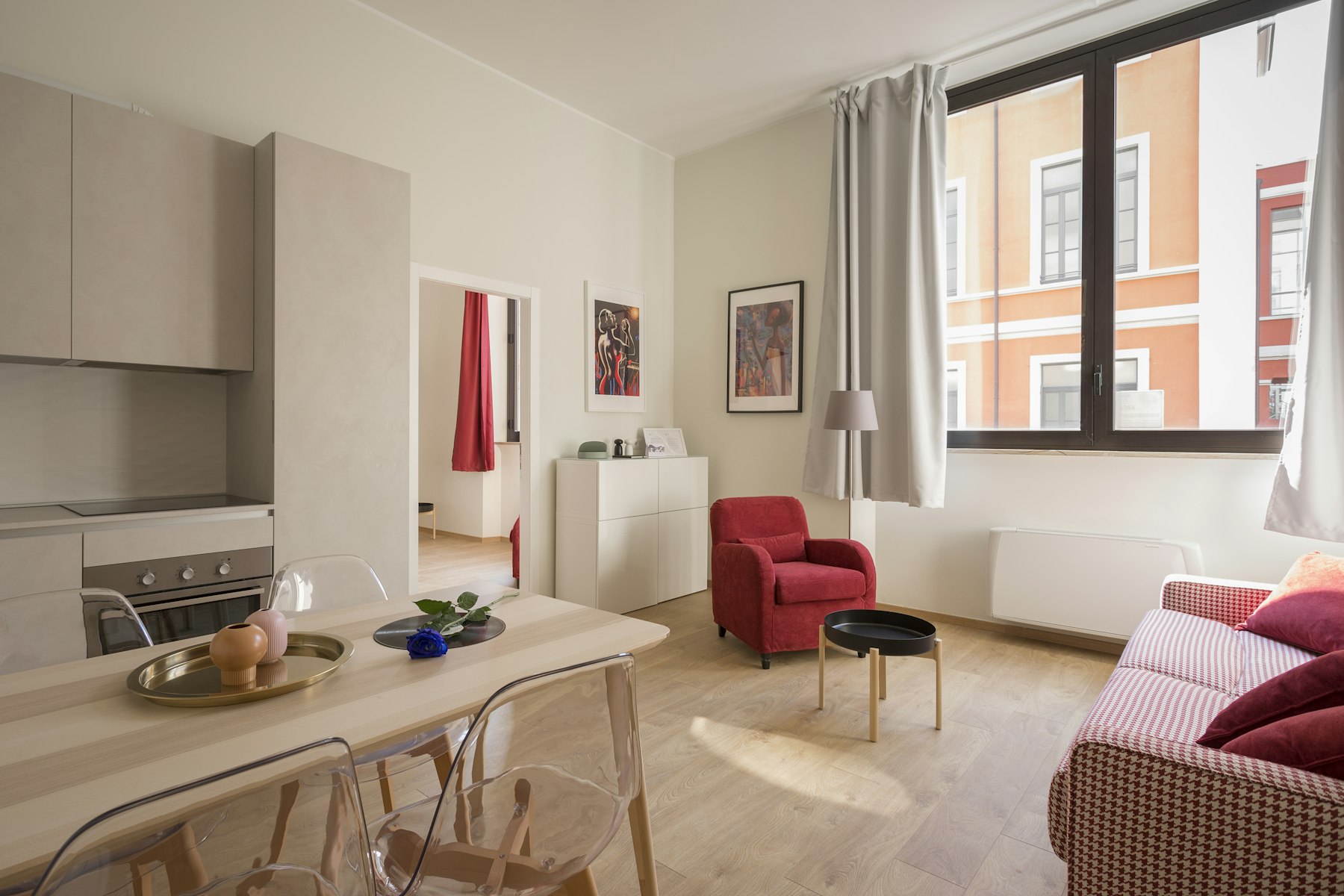
The room is not the product. The neighborhood is. This is the accommodation test for transit, first-night food, sleep, safety, price, and the map clues that predict whether a beautiful stay becomes daily friction.
Route /en/book/accommodation/neighborhood-choice//Coord BASE FIRST · ROOM SECOND · 12 MINUTES TO TRANSIT
Field desk no. 03
Decision order
6
BASE FIRST
Map checks
14
BASE FIRST
Useful walk
12 min
BASE FIRST
Updated
May 2026
BASE FIRST
Primary signalDecision order / 6Field checkFirst nightNext layerFirst-night base test
§ 01
The field test before the click.
01
First night
Can you land tired and still reach the door, eat, and sleep without solving the city?
Check · arrivalCheck · late food
02
Transit spine
Book near the route you will actually ride, not the station that looks famous on a map.
Check · 12 min walkCheck · useful line
03
Food radius
You need breakfast, a late dinner, and a low-effort fallback within walking distance.
Check · breakfastCheck · pharmacy
04
Sleep context
Nightlife, tram lines, truck routes, and event zones show up on the map before regret.
Check · noise scanCheck · street context
05
Daily life
Real neighborhoods have grocery stores, school routes, bar counters, and morning coffee.
Check · textureCheck · walkability
§ 02
Where the rule changes.
Six cases to compare
Transit baseNear the line that connects airport, hotel, and daily anchors.
For first-timers. / Short stays / Use for 3-5 nights
Quiet baseOne district off the restaurant strip, close enough to walk back, far enough to rest.
For sleep. / Couples / Protect recovery
Food baseMarkets, counters, bakeries, and one dinner you can repeat without a project.
For evening rhythm. / Food trips / Dinner radius
Apartment baseGroceries, laundry, desk, transit pass, and a block that works on day twelve.
For long stays. / 10+ nights / Live locally
Family baseElevators, parks, short transfers, pharmacies, and food without reservations.
For resets. / Kids / Reduce friction
Edge baseCheaper, more local, less polished. Only works when transit and comfort are solved.
For repeat visitors. / Experienced / Know tradeoffs
Reserved routes below this guide
First-night base testHow to test arrival, food, safety, and check-in before booking.
Couples hotel basePrivacy, dinner cadence, walking texture, and the room as part of the trip.
L4-06
Long-stay baseGroceries, laundry, transit passes, work space, and weekly rhythm.
L4-07
Red flags on mapsThe map clues that predict noise, isolation, and daily friction.
L4-08
§ 03
Trip shape changes the answer.
One nightAirport route, late check-in, simple food, visible entrance
arrival-safe / pay for ease
3-5 nightsUseful line, two daily anchors, no heroic commute
transit-first / central enough
7-10 nightsMarket, laundry, repeat restaurants, recovery space
rhythm / wider search
21+ nightsDesk, groceries, park, monthly transit, quiet block
liveable / local logic
§ 04
The decision brief in order.
Rule 01
Pin the day, not the hotel.
Put airport, first dinner, station, and top activities on the map before searching.
Rule 02
Check the first night.
If late arrival or rain makes the base fragile, choose another block.
Rule 03
Count the food radius.
One breakfast, one late dinner, one pharmacy, and one no-decision meal close by.
Rule 04
Read noise from the map.
Nightlife strips, tram turns, delivery streets, and venues are location facts.
Rule 05
Pay for saved decisions.
The right base removes taxis, stress, failed evenings, and route math.
Rule 06
Use stars last.
A four-star room in the wrong block loses to a simpler stay on the right street.
§ 05
Reader questions before committing.
Useful edge cases to check.
Is central always the best neighborhood for a hotel? No. Central is useful when the itinerary is central. If the actual trip depends on one train line, one convention venue, a beach, a hospital visit, a family schedule, or late dinners in another district, the right transit spine and sleep quality matter more than the geographic center.
How far from transit is too far? For most city trips, more than a 12 to 15 minute walk to the useful line becomes a daily tax. The exception is a slow trip where the point is the neighborhood itself and the traveler expects to walk locally more than cross the city.
What should families prioritize in a neighborhood? Families should prioritize food radius, elevators or easy stairs, pharmacies, parks or open space, short transfers, and the ability to return midday. Attractions matter, but recovery space usually matters more.
Are nightlife districts bad bases? They are often bad sleep bases unless nightlife is the purpose of the trip. The better move is usually one district over: close enough for dinner, quiet enough to sleep, and easier to navigate on arrival.
This L3 page keeps the deeper links in place so the article network can be filled out without flattening the travel architecture.
Book Desk / Accommodation / L3 Mini-Hub 003
Choose the Right Neighborhood
A serious accommodation guide to choosing the right neighborhood before booking: transit, safety, sleep, food, price, and how to avoid beautiful stays in the wrong place.
Base, sleep, transit, texture
15 minutes: ideal walk to first transit spine
2 anchors: morning and evening
1 quiet sleep zone
0 heroic commutes for a short trip
The memorable thing: do not book the prettiest room. Book the base that makes the days work.
The neighborhood is the trip's operating system. The hotel can be beautiful and still be wrong if the base creates daily friction.
This L3 page is built as a static mini-hub: it gives the reader a complete editorial brief now, then reserves deeper L4 how-to paths for the narrower questions that deserve their own articles. The point is not to inflate a category page. The point is to give search engines and readers a real, differentiated body at the URL.
Neighborhood Choice / Field Note
Base before room
A room is where the traveler sleeps. A neighborhood is where the trip begins every morning and ends every night. The base controls transit, food, safety, noise, taxis, fatigue, and whether a short rest is possible between plans.
A room is where the traveler sleeps. A neighborhood is where the trip begins every morning and ends every night. The base controls transit, food, safety, noise, taxis, fatigue, and whether a short rest is possible between plans. In practice, the traveler should translate this into one visible decision before moving on: what gets booked, what gets verified, what gets saved offline, and what can safely remain flexible. That discipline is what turns a travel topic from inspiration into an operating plan.
Neighborhood Choice / Field Note
The first-night test
Ask what the first night looks like after a delayed flight. Can the traveler reach the lodging without solving a complicated route? Is food available nearby? Is the street easy to find? Is check-in reliable? If the first night fails, the cheap room was not cheap.
Ask what the first night looks like after a delayed flight. Can the traveler reach the lodging without solving a complicated route? Is food available nearby? Is the street easy to find? Is check-in reliable? If the first night fails, the cheap room was not cheap. In practice, the traveler should translate this into one visible decision before moving on: what gets booked, what gets verified, what gets saved offline, and what can safely remain flexible. That discipline is what turns a travel topic from inspiration into an operating plan.
Neighborhood Choice / Field Note
Transit spine
The best base sits near the transit line that serves the actual itinerary, not simply near a famous landmark. A hotel beside the wrong station creates a small tax every day. For a three-night trip, that tax is huge.
The best base sits near the transit line that serves the actual itinerary, not simply near a famous landmark. A hotel beside the wrong station creates a small tax every day. For a three-night trip, that tax is huge. In practice, the traveler should translate this into one visible decision before moving on: what gets booked, what gets verified, what gets saved offline, and what can safely remain flexible. That discipline is what turns a travel topic from inspiration into an operating plan.
Neighborhood Choice / Field Note
Sleep and noise
Nightlife districts are for visiting unless the trip is built around nightlife. Sleep is not a luxury add-on; it is what makes day two possible. Read map context, not just hotel reviews. Bars, truck routes, tram lines, and festival zones matter.
Nightlife districts are for visiting unless the trip is built around nightlife. Sleep is not a luxury add-on; it is what makes day two possible. Read map context, not just hotel reviews. Bars, truck routes, tram lines, and festival zones matter. In practice, the traveler should translate this into one visible decision before moving on: what gets booked, what gets verified, what gets saved offline, and what can safely remain flexible. That discipline is what turns a travel topic from inspiration into an operating plan.
Neighborhood Choice / Field Note
Food radius
A good base has one breakfast, one late dinner, one pharmacy or convenience store, and one no-decision meal within walking distance. That radius saves the trip on tired nights.
A good base has one breakfast, one late dinner, one pharmacy or convenience store, and one no-decision meal within walking distance. That radius saves the trip on tired nights. In practice, the traveler should translate this into one visible decision before moving on: what gets booked, what gets verified, what gets saved offline, and what can safely remain flexible. That discipline is what turns a travel topic from inspiration into an operating plan.
Neighborhood Choice / Field Note
The mistake
The common mistake is using hotel rating as the final decision. A 9.2 room in a poor base can lose to an 8.6 room in the right neighborhood. Location is not a filter; it is the product.
The common mistake is using hotel rating as the final decision. A 9.2 room in a poor base can lose to an 8.6 room in the right neighborhood. Location is not a filter; it is the product. In practice, the traveler should translate this into one visible decision before moving on: what gets booked, what gets verified, what gets saved offline, and what can safely remain flexible. That discipline is what turns a travel topic from inspiration into an operating plan.
The map clues that predict noise, isolation, and daily friction.
The deeper map this page creates.
The L3 page has to do two jobs at once: answer the broad query today and create enough editorial gravity for future L4 articles. The child routes below are reserved article surfaces with a specific reason to exist, a parent topic to inherit, and a narrower reader problem to solve.
That is the difference between a topic cluster and a pile of links. The parent page carries the thesis, the decision order, the official-source discipline, and the internal linking structure. The child pages can then go deep without having to re-explain the entire lane.
L4 expansion / 01
First-night base test
How to test arrival, food, safety, and check-in before booking. This future article should not be a thin answer. It should open with the decision pressure, name the traveler who needs it, give the exact verification or booking move, then show how the wrong version of the decision fails in the real trip.
For this Neighborhood Choice cluster, the First-night base test leaf should inherit the parent logic: The memorable thing: do not book the prettiest room. Book the base that makes the days work. The child page should go narrower without becoming smaller. It should include official-source checks where rules can change, clear internal links back to Accommodation, and a practical final action that tells the reader what to do before they leave the page.
L4 expansion / 02
Transit-first lodging
How to choose a hotel by the route you will actually use. This future article should not be a thin answer. It should open with the decision pressure, name the traveler who needs it, give the exact verification or booking move, then show how the wrong version of the decision fails in the real trip.
For this Neighborhood Choice cluster, the Transit-first lodging leaf should inherit the parent logic: The memorable thing: do not book the prettiest room. Book the base that makes the days work. The child page should go narrower without becoming smaller. It should include official-source checks where rules can change, clear internal links back to Accommodation, and a practical final action that tells the reader what to do before they leave the page.
L4 expansion / 03
Quiet versus central
When to pay for sleep and when to pay for proximity. This future article should not be a thin answer. It should open with the decision pressure, name the traveler who needs it, give the exact verification or booking move, then show how the wrong version of the decision fails in the real trip.
For this Neighborhood Choice cluster, the Quiet versus central leaf should inherit the parent logic: The memorable thing: do not book the prettiest room. Book the base that makes the days work. The child page should go narrower without becoming smaller. It should include official-source checks where rules can change, clear internal links back to Accommodation, and a practical final action that tells the reader what to do before they leave the page.
L4 expansion / 04
Family neighborhood choice
Elevators, food, parks, pharmacies, and short transfers. This future article should not be a thin answer. It should open with the decision pressure, name the traveler who needs it, give the exact verification or booking move, then show how the wrong version of the decision fails in the real trip.
For this Neighborhood Choice cluster, the Family neighborhood choice leaf should inherit the parent logic: The memorable thing: do not book the prettiest room. Book the base that makes the days work. The child page should go narrower without becoming smaller. It should include official-source checks where rules can change, clear internal links back to Accommodation, and a practical final action that tells the reader what to do before they leave the page.
L4 expansion / 05
Solo neighborhood choice
Lighting, dinner radius, transit, and confidence on night one. This future article should not be a thin answer. It should open with the decision pressure, name the traveler who needs it, give the exact verification or booking move, then show how the wrong version of the decision fails in the real trip.
For this Neighborhood Choice cluster, the Solo neighborhood choice leaf should inherit the parent logic: The memorable thing: do not book the prettiest room. Book the base that makes the days work. The child page should go narrower without becoming smaller. It should include official-source checks where rules can change, clear internal links back to Accommodation, and a practical final action that tells the reader what to do before they leave the page.
L4 expansion / 06
Couples hotel base
Privacy, dinner cadence, walking texture, and the room as part of the trip. This future article should not be a thin answer. It should open with the decision pressure, name the traveler who needs it, give the exact verification or booking move, then show how the wrong version of the decision fails in the real trip.
For this Neighborhood Choice cluster, the Couples hotel base leaf should inherit the parent logic: The memorable thing: do not book the prettiest room. Book the base that makes the days work. The child page should go narrower without becoming smaller. It should include official-source checks where rules can change, clear internal links back to Accommodation, and a practical final action that tells the reader what to do before they leave the page.
L4 expansion / 07
Long-stay base
Groceries, laundry, transit passes, work space, and weekly rhythm. This future article should not be a thin answer. It should open with the decision pressure, name the traveler who needs it, give the exact verification or booking move, then show how the wrong version of the decision fails in the real trip.
For this Neighborhood Choice cluster, the Long-stay base leaf should inherit the parent logic: The memorable thing: do not book the prettiest room. Book the base that makes the days work. The child page should go narrower without becoming smaller. It should include official-source checks where rules can change, clear internal links back to Accommodation, and a practical final action that tells the reader what to do before they leave the page.
L4 expansion / 08
Red flags on maps
The map clues that predict noise, isolation, and daily friction. This future article should not be a thin answer. It should open with the decision pressure, name the traveler who needs it, give the exact verification or booking move, then show how the wrong version of the decision fails in the real trip.
For this Neighborhood Choice cluster, the Red flags on maps leaf should inherit the parent logic: The memorable thing: do not book the prettiest room. Book the base that makes the days work. The child page should go narrower without becoming smaller. It should include official-source checks where rules can change, clear internal links back to Accommodation, and a practical final action that tells the reader what to do before they leave the page.
The decision matrix.
The following gates translate the editorial issue into actions. They are written into the body because search engines need to see the practical depth of the page, and readers need a way to move from reading to doing.
Decision matrix / 01
Test arrival from the airport or station.
Test arrival from the airport or station. is not a decorative checklist item. It is a decision gate. If the reader can complete it, the trip gets simpler; if the reader skips it, the trip carries hidden risk into booking, packing, arrival, or entry. The page treats it as a working action rather than a reminder.
The editorial standard is to make the action visible in the moment it matters. The traveler should know where to verify it, what proof to save, what fallback to use, and when to stop researching. That is how this page earns its place in the static hierarchy instead of behaving like a short summary card.
Decision matrix / 02
Check the route to the first two planned days.
Check the route to the first two planned days. is not a decorative checklist item. It is a decision gate. If the reader can complete it, the trip gets simpler; if the reader skips it, the trip carries hidden risk into booking, packing, arrival, or entry. The page treats it as a working action rather than a reminder.
The editorial standard is to make the action visible in the moment it matters. The traveler should know where to verify it, what proof to save, what fallback to use, and when to stop researching. That is how this page earns its place in the static hierarchy instead of behaving like a short summary card.
Decision matrix / 03
Confirm late food within walking distance.
Confirm late food within walking distance. is not a decorative checklist item. It is a decision gate. If the reader can complete it, the trip gets simpler; if the reader skips it, the trip carries hidden risk into booking, packing, arrival, or entry. The page treats it as a working action rather than a reminder.
The editorial standard is to make the action visible in the moment it matters. The traveler should know where to verify it, what proof to save, what fallback to use, and when to stop researching. That is how this page earns its place in the static hierarchy instead of behaving like a short summary card.
Decision matrix / 04
Read noise clues on the map.
Read noise clues on the map. is not a decorative checklist item. It is a decision gate. If the reader can complete it, the trip gets simpler; if the reader skips it, the trip carries hidden risk into booking, packing, arrival, or entry. The page treats it as a working action rather than a reminder.
The editorial standard is to make the action visible in the moment it matters. The traveler should know where to verify it, what proof to save, what fallback to use, and when to stop researching. That is how this page earns its place in the static hierarchy instead of behaving like a short summary card.
Decision matrix / 05
Prefer transit spine over landmark bragging rights.
Prefer transit spine over landmark bragging rights. is not a decorative checklist item. It is a decision gate. If the reader can complete it, the trip gets simpler; if the reader skips it, the trip carries hidden risk into booking, packing, arrival, or entry. The page treats it as a working action rather than a reminder.
The editorial standard is to make the action visible in the moment it matters. The traveler should know where to verify it, what proof to save, what fallback to use, and when to stop researching. That is how this page earns its place in the static hierarchy instead of behaving like a short summary card.
Decision matrix / 06
Check stairs and elevators where luggage matters.
Check stairs and elevators where luggage matters. is not a decorative checklist item. It is a decision gate. If the reader can complete it, the trip gets simpler; if the reader skips it, the trip carries hidden risk into booking, packing, arrival, or entry. The page treats it as a working action rather than a reminder.
The editorial standard is to make the action visible in the moment it matters. The traveler should know where to verify it, what proof to save, what fallback to use, and when to stop researching. That is how this page earns its place in the static hierarchy instead of behaving like a short summary card.
Reader action
The practical checklist.
Test arrival from the airport or station.
Check the route to the first two planned days.
Confirm late food within walking distance.
Read noise clues on the map.
Prefer transit spine over landmark bragging rights.
Check stairs and elevators where luggage matters.
Confirm cancellation terms before locking in.
Save the address offline in local language if relevant.
Verification
Official and authority checks.
Use these sources for rules that can change or affect boarding, entry, safety, insurance, or legal compliance. Editorial judgment helps frame the decision; official sources control the rule.
No. Central is useful when the itinerary is central. Otherwise the right transit spine and sleep quality may matter more.
How far from transit is too far?
For most city trips, more than a 12-15 minute walk to the useful line starts to feel like a daily tax.
Should families stay near attractions?
Families should stay near food, transit, and recovery space. Attractions matter, but the daily reset matters more.
Are nightlife districts bad bases?
They are often bad sleep bases unless nightlife is the purpose of the trip.
How do I avoid tourist-trap hotels?
Look at map context, food radius, transit, and review language. A polished room can still sit in a dead zone.
Should I pay more for the right area?
Often yes. The right base can reduce taxis, fatigue, wasted time, and failed evenings.
The editorial standard for this page.
Choose the Right Neighborhood is built to be more than a card in a grid. It is a substantial L3 surface with a visible editorial issue, a crawlable hidden body, real anchors, official-source links where the topic touches rules, and a clear parent-child relationship inside the Travel Edition hierarchy.