THE ARRIVAL BOARD · 5 CHAPTERS
You're here. Now what?
The plane lands. The customs stamp comes down. From that minute, the trip is improvisation. The five chapters that follow cover the things the itinerary does not: the first hour in arrivals, the way the city moves, the safety habits travelers learn the hard way, the money traps that cost a percent here and a percent there until the credit card statement looks wrong, and the language work that turns ten seconds of awkwardness into ten minutes of conversation. Five chapters, written for the days that don't show up on any printed schedule. Read them before the trip. Refer back to them on the flight. Open them again the night you arrive.
- 5 chapters — From customs hall to corner café
- 60 minutes — The first-hour playbook from arrivals to hotel
- 10 phrases — The vocabulary that runs every transaction
- 0% — Dynamic currency conversion cost when you decline, every time
Chapter I — Arrival. The first hour matters most.
Airport to city, first-hour decisions, SIM cards and connectivity. The first sixty minutes after the customs stamp set the tone for the entire trip. Cash, signal, transit decision, hotel drop. The traveler who walks out of arrivals with all four solved is the traveler who eats dinner that night without a fight. Skip a step and you spend the afternoon paying for it — the wrong taxi, the kiosk SIM at three times the city price, a hotel arrival that tips into a fight with the front desk because nothing is going right. None of this is hard. All of it is easier when you do it in order.
Pull cash, once — the bank-ATM rule
The arrivals-hall ATM works at 2 a.m. Pull the local-currency equivalent of $150 to $200, all at once — most banks charge a flat ATM fee that hurts more on three small withdrawals than one large one. Use the bank ATMs inside the airport (HSBC, Santander, Cardless ATM, the local national bank), not the standalone yellow Euronet boxes that quote 12% conversion fees in the corner of the baggage-claim hall. Take the receipt; it doubles as the exchange rate proof if your card is later flagged. Notify your card-issuing bank before you fly to prevent fraud-flag freezes the first time the card is swiped abroad — most banks now have a one-tap travel notification in the app.
Get signal before you leave the airport — eSIM or local SIM
An eSIM bought before the flight (Airalo, Holafly, Nomad) clicks on at landing — no kiosk queue, no passport check, no plastic card to lose. Physical SIMs at the airport cost $25 to $40 for a tourist plan that is two to three times the city price. If your phone is locked to a US carrier, eSIM is the only option. Ten gigabytes of regional data should run a week of normal use — Google Maps offline tiles, Uber-app launches, occasional photo upload, evening WhatsApp calls home. Do not roam on your home plan unless your carrier has an inclusive international add-on; the pay-as-you-go international rates from US carriers will obliterate your monthly bill.
Cab or train — the after-23:00 rule
Daytime, central destination, light luggage — the airport express is faster and cheaper. After 11 p.m., with two bags, in a city you do not know — always the cab from the official taxi line, never the one yelling at you in the arrivals hall. Confirm the meter is on before you sit, or agree on the fare before you load luggage. Take the photo of the license plate. In cities with reliable ride apps (Bangkok, Mexico City, Dubai, Buenos Aires), the Grab or Uber from the official rideshare pickup zone is usually a better-priced option than the airport taxi line — but only if your eSIM is already live, which is why connectivity comes before transit in the playbook.
Drop, don't linger — the hotel-arrival reset
Most travelers blow the first afternoon trying to do something on jet lag. Don't. Drop the bags, take a shower, walk a fifteen-minute loop around the hotel to learn one café, one corner store, one ATM that works, one neighborhood landmark. Eat something local within walking distance. Sleep in a four-hour window that ends at sunset — longer than that and you wreck the next morning, shorter than that and you crash through dinner. Day two is when the trip starts. Day one is when you build the platform that day two stands on.
Read more: How to Survive the First Hour After Landing. 8 min read.
Chapter II — Getting Around. Read the city before you spend in it.
Transit systems, ride apps, renting versus walking, reading a city. Every city has a logic. Tokyo's is rail. Rome's is feet. Mexico City's is Uber. Bangkok's is whichever lane is moving. Spend the first afternoon on a long walk in the central district before you spend a peso on a tour, a cab, or a guide. The map in your head will save you more money than any pass. Then layer the right transit mode on top — the rail card, the right ride app, the bike share, the rental car — based on what the city actually rewards.
Rail and metro — built city, use it
Tokyo, London, Paris, Berlin, Seoul, Singapore, Hong Kong, Madrid — the trains are the city. Get the single-fare card on day one (Suica, Oyster, Navigo, ezLink) which covers buses too. Skip the multi-day tourist pass; the math almost never works against a normal pay-as-you-go card unless you are doing eight-plus rides per day, which most travelers are not. The first ride is always the wrong direction. Recover quickly; it's a story. Download the official metro app for the offline route map and live disruption alerts — the official app is always better than the third-party version, and most are free.
Ride apps — one app per region
Grab in Southeast Asia (Thailand, Vietnam, Indonesia, Singapore, Malaysia, Philippines). Bolt in much of Eastern Europe and Sub-Saharan Africa, plus parts of Western Europe. Uber in Latin America, North America, India, the UK, and most of Western Europe. DiDi in China and parts of LatAm. inDrive in Brazil and Russia, Yandex in CIS countries, Careem in MENA. Download the right one before you land — first-time signup needs SMS verification, which can fail on a fresh local SIM and is much easier on your home number while you still have signal at the airport. Tip the driver in cash if the app does not handle it; many regions still have driver-pay structures that depend on cash supplements.
Rent and drive — city no, country yes
Driving in Rome, Naples, Athens, Mumbai, Cairo, or anywhere in India is a sport, not a transport choice. Outside cities, in Iceland, New Zealand, the Western US, southern France, Patagonia — a rental opens the trip in ways no transit can. The International Driving Permit takes about ten days to process at home through your country's automobile association; you cannot get one once you've landed. Insurance via the rental counter is overpriced; check your credit card's coverage first — most premium cards include Collision Damage Waiver as a primary benefit overseas. Bring the printed insurance summary to the counter; the agent will push the upsell harder if you don't.
Walk first — the unscheduled afternoon
The single best activity in any new city is the first long walk on day one. Pick a direction, walk an hour out, walk a different way back. The map in your head will save you more money and time than any guidebook, because every time you can navigate without your phone you save the friction of opening Maps, waiting for GPS, finding the address. City bikes (Vélib in Paris, Citi Bike in NYC, Mobike in Asia, Lime in many capitals) cover the medium distances on which a cab is overkill and the metro is a hassle. The bike-share apps usually accept any major credit card and unlock by QR scan — no paperwork, no membership. Helmets, where required, are usually clipped to the bike or available at the dock.
Read more: How to Read a City on Your First Afternoon. 9 min read.
Chapter III — Safety. Move like you've been here before.
Situational awareness, what to leave at the hotel, when something goes wrong. Tourists get robbed. Travelers do not — most of the time. The difference is rarely physical strength or street smarts; it is body language, what you carry, and what you leave behind. The people who watch for marks watch for hesitation. Walk like you know where you're going, even when you don't, and you fade into the city. Stand still, swivel, fumble with the phone — and the city sees you. None of this is paranoia. It is the routine the experienced traveler runs in the background while the tourist is busy taking photos.

Body language — walk like you've been here
Pickpockets and scammers watch for hesitation, the open map, the swiveled head, the slow pat-pat-pat for the wallet that is no longer there. Walk like you have a destination. If you need to consult a map, step inside a café, a hotel lobby, a store. Never on the corner. Never at the metro entrance. Never at the top of the escalator at a major station. The two-minute pause to breathe and read the map is what separates the traveler from the target. The phone-out, head-down, walking-and-tapping pose is the most-targeted position in any tourist district worldwide; finish the navigation before you start moving, then walk with the phone in your pocket.
The decoy wallet — forty dollars and a smile
Carry a thin wallet with $40 in local currency, an expired credit card, a few old receipts, and nothing else. Carry it in the back pocket if you must — preferably in a buttoned cargo pocket. The real wallet — passport-card, primary debit, $100 emergency cash — lives in a money belt under the shirt or a zipped interior pocket of the day bag. If you are robbed, the decoy is what comes out. The robbers leave. You buy dinner with the rest. The decoy is also what gets handed to the over-aggressive shoeshine guy or the woman with the petition; sometimes a small loss prevents a larger argument and you walk away faster.
What stays at the hotel — the safe is your friend
Passport, large cash, the second credit card, jewelry you would mourn, and the laptop or tablet you do not need today — these all stay in the hotel-room safe or the front-desk safe deposit box. Carry a passport photocopy or a clear phone scan when you go out. Most countries accept the copy at hotel check-in and police checkpoints. The original at home is the original you will fly home with. Set the safe code to something you will not blank on — your year of birth backwards, the last four of your phone number — and reset it the moment you check in, because the previous guest may know the default factory code.
The common scams — if it's free, you're paying
The friendship bracelet at Sacré-Cœur, the spilled-coffee distraction in Barcelona, the woman with the petition outside the Louvre, the man with the broken meter in Bangkok, the temple that requires a "donation" before entry, the ATM that conveniently rejects your card and is replaced by a helpful stranger offering to help. Most scams take three seconds to refuse and zero seconds to deliver — you say no, walk on, do not engage. The ones that work do so because the traveler felt bad about being rude. Be politely rude. The locals you meet through the hotel concierge or the rideshare driver are the friendly ones; the strangers approaching you near tourist landmarks almost never are.
When it goes wrong — stop, breathe, phone the line
Phone gone, wallet gone, lost in a market, separated from your group — the wrong move is to panic-walk in any direction. Find a hotel lobby (any hotel — staff will help even non-guests), sit, breathe, get water, then phone the embassy 24-hour line if it is serious or your travel insurance hotline if it is not. Insurance handles ATM card cancellation, hotel re-booking, and emergency evacuation. The line is on the back of the card and in the email you sent yourself before flying. Enroll in your government's traveler program (US: STEP, UK: GOV.UK Travel Advice) before you leave so the embassy can find you faster if there is a wider crisis at the same time.
Illness, water, street food — three filters
Drink only sealed water in countries where the tap is not safe — and that means no ice, no salads washed in tap water, no toothbrushing under the faucet for the first few days while your gut adjusts. Street food is generally safe if it is hot, cooked in front of you, and busy with locals; the empty stall is the warning sign, not the busy one. Carry oral rehydration salts and an antibiotic (azithromycin or ciprofloxacin) the doctor will prescribe before the trip. Most travel illness clears in 36 hours of fluids and rest; if a fever climbs past 102°F or symptoms last more than three days, find a hospital — they are usually better and cheaper than travelers expect.
Chapter IV — Money. Cash, card, and the conversion trap.
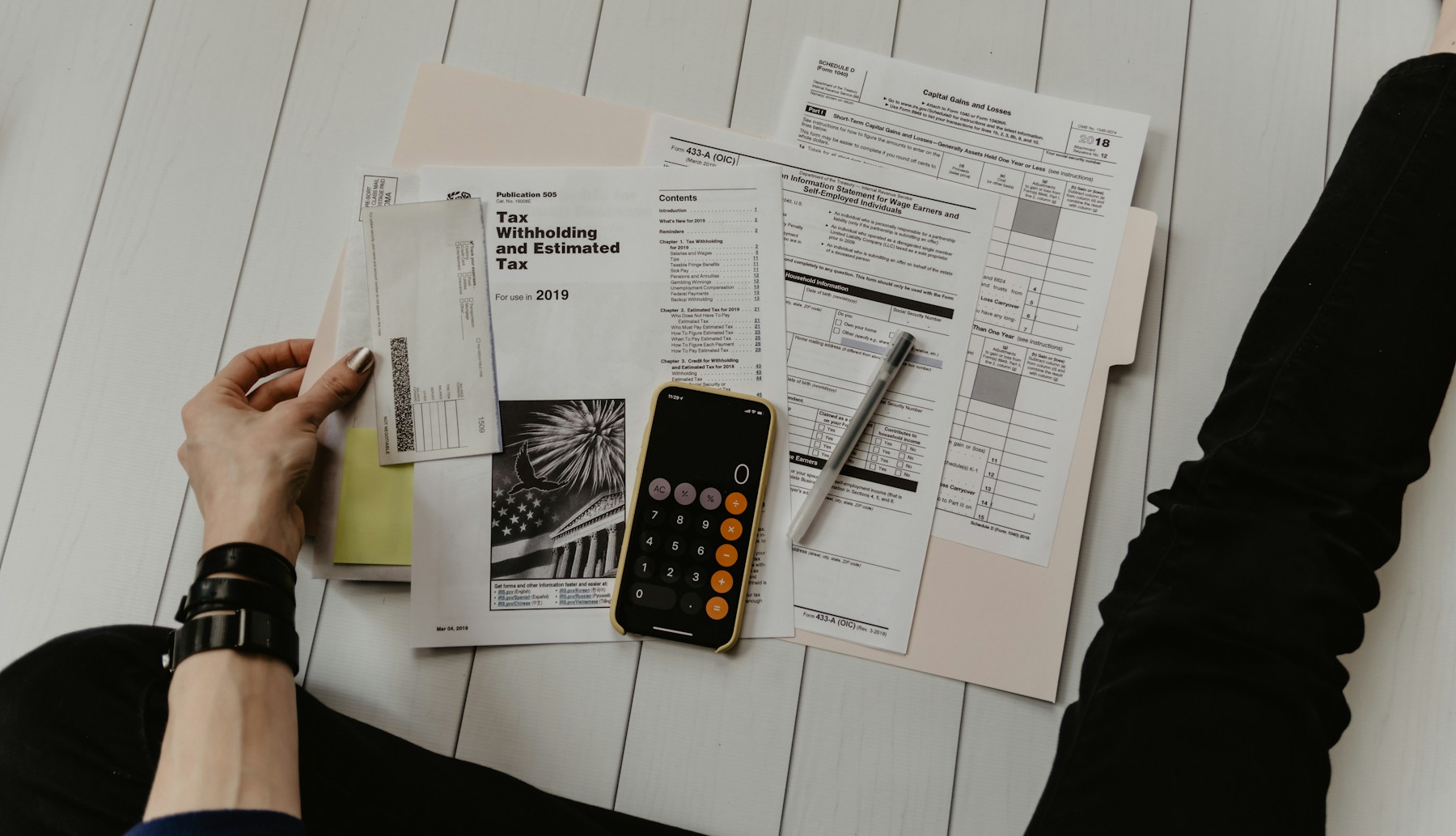
Cash versus card by region, ATM strategy, avoiding the conversion trap. Northern Europe runs on contactless. Southeast Asia runs on cash. Most everywhere else is a mix you read on arrival. The single most expensive mistake travelers make at the ATM is letting the machine convert into their home currency. Always pay in the local denomination. Always. The 4–7% Dynamic Currency Conversion markup compounds across two weeks of meals and the credit card statement comes back two hundred dollars heavier than it should have been, and almost no one connects the dots back to the screen-tap they made on day one.
Card-first regions — Nordics, UK, Korea, Australia
Tap-to-pay everywhere. Cash is sometimes refused outright in Sweden. Carry a $50 emergency reserve in local currency and forget about it for the rest of the trip. Most card readers handle Apple Pay or Google Pay; bring a backup physical card for the moments the contactless terminal is offline, which still happens at small rural cafés and at unmanned parking machines. No-foreign-transaction-fee cards (Charles Schwab, Capital One, most premium cards) save 3% on every transaction — pay this one off before you fly. The annual fee on a premium travel card is usually recovered on a single two-week trip.
Cash-first regions — Japan, Vietnam, Cambodia, much of Africa
Hotels, mid-range restaurants, and supermarkets take cards. Everything else — taxis, market stalls, small shops, temple donations, train station snack vendors — is cash. Pull a larger sum from the ATM (the $5 fee dilutes across more transactions) and carry small denominations because change for a 10,000-yen note at a 200-yen ramen stand is a small social problem. Japan is famously cash-heavy despite being modern; small restaurants and ryokan often refuse cards entirely. Vietnam runs on the 500,000 dong bill, which is roughly $20. Carry a stash of fresh USD bills as a backup currency in countries where dollar exchange is universal.
Mixed regions — most of Europe, Latin America, SE Asia capitals
Major cities take card; smaller towns and rural areas need cash. Bangkok, Mexico City, Buenos Aires, Lisbon, Athens — bring both. The pattern: chain restaurants and hotels run cards; the small family-owned places that you actually want to eat at run cash. Pull the equivalent of two days' spending in cash on arrival, refill at the bank ATM near the hotel every couple of days. The travel-card-plus-cash strategy is what the experienced traveler defaults to in any unknown city — it covers card-acceptance gaps without forcing a panic withdrawal at a Travelex booth.
ATM strategy — inside, branded, daylight
Use ATMs that are inside a bank vestibule, branded by the bank itself, and ideally accessed during business hours when the branch is open. The standalone yellow Euronet boxes in tourist zones quote terrible exchange rates and have skimmer-installation rates an order of magnitude higher than bank ATMs. Cover the keypad. Take the receipt. Notify your card-issuing bank before you fly to prevent fraud-flag freezes — most banks now have a one-tap travel notification in the app, which is the easiest fifteen seconds of trip prep you will do.
The DCC trap — always pay in local currency
When the card terminal asks "Would you like to be charged in your home currency?" the correct answer is always "no." Always. Dynamic Currency Conversion adds a 4–7% markup on top of any card fees. The merchant gets a kickback for offering it, and the rate is always worse than what your card network would give you. Same answer at the ATM when it offers to convert: no. Decline. Pay in local. The screen often makes "decline" the harder-to-find option, with brightly highlighted "convert" buttons; take the extra two seconds to find the small "no" button. It is the highest-yield two seconds of your trip.
Tipping — round up, round down, leave alone
US and Canada: 18–22% restaurants, $1–2 per drink, $1 per bag. Western Europe: round up the bill, 5–10% for excellent service. Japan and Korea: never tip — it confuses or offends. Southeast Asia: small change in cash for guides and drivers. Middle East: 10% restaurants. Latin America: 10% restaurants, $2–5 for guides. Carry a small stack of $1 USD bills for hotel porters in countries where dollars are accepted as universal tip currency. The tipping question is the most country-specific norm in travel — read the chapter for your destination before the trip, not at the end of the meal.
Read more: How to Pull Cash Abroad Without Getting Burned. 6 min read.
Chapter V — Language. Ten phrases. One open ear.
Translation tools, the ten phrases that matter, reading a room. You will not learn the language in a week. You can learn ten phrases on the flight. You can learn to read a room in a single afternoon. Tone matters more than grammar. Effort matters more than fluency. The hardest part of crossing a language barrier is the ten seconds of awkwardness before the other person realizes you're trying — push through the ten seconds and almost every interaction goes better than it would have in English. Almost no one is mad at the traveler who tried.
- Hello / Good morning. The first words out of your mouth in any interaction. Three syllables in the local language signal you are not the entitled tourist. Variations matter: "sawatdee khrap" for a man in Thai, "sawatdee kha" for a woman. Get the formal version. Use it once per day with everyone you meet — server, driver, shopkeeper. The rest of the conversation will go better.
- Please. The single most important word after hello. English speakers under-use it because English is one of few languages that does not require it grammatically. Most others do. "Por favor," "s'il vous plaît," "kudasai," "juseyo" — say it on every request, every order, every direction-asked.
- Thank you. Always. Twice if it is genuine. Once you have hello, please, and thank you locked in, you have the framework of every transactional conversation you will have on the trip. The locals will reply in fluent English and ask where you are from. The exchange always goes better when it starts with the local language, even badly pronounced.
- Where is the bathroom? You will need this in the first two days. "Donde está el baño," "où sont les toilettes," "toire wa doko desu ka." Learn the local word for bathroom, plus the pointing gesture. Most cafés, restaurants, and hotels will let you use the bathroom even if you are not a customer if you ask politely.
- How much is this? Markets, taxis without meters, street food, bargaining situations. Pair with the gesture of holding up the item or pointing. Then learn to count to twenty in the local language so you can understand the answer. Numbers are usually the easiest vocabulary set to acquire — a Duolingo session on the flight covers them.
- Excuse me / Sorry. Walking through a crowded train, accidentally bumping someone, asking for a moment of attention — every culture has its version. "Sumimasen" in Japanese covers excuse-me, sorry, and thank-you-in-advance with one word. Worth learning the equivalent in any country you visit. It signals attention, awareness, and respect.
- I'd like the bill, please. In many countries the bill does not come automatically — you must request it. The waiter assumes you are still relaxing. Learn the phrase or learn the universal gesture (in many places, miming writing on your palm). "La cuenta, por favor." "L'addition, s'il vous plaît." "O-kanjō, kudasai."
- Card or cash? Knowing how to ask in advance saves the awkward moment of the cash-only restaurant after the meal. The phrase tells you whether to find an ATM before you sit down. Pair with showing the card — the visual is universal. "Tarjeta o efectivo," "carte ou espèces."
- Wifi password? The phrase that runs the modern trip. Most cafés and hotels have it printed on the receipt or the wall, but asking opens the door to a five-minute exchange that often turns into a recommendation, a tip, or a friend. Pair with showing the phone — universal.
- I don't speak [language]. Said with a smile, in the local language, after the local person has launched into a fast paragraph you cannot follow. It is the polite admission that resets the conversation to gestures, English, or translator app. Almost everyone responds with grace and a slowed-down version. Almost no one is mad at the traveler who tried.
Two tools sit on top of the ten phrases. Google Translate's offline language pack — downloaded over hotel wifi the night before you fly — gives you camera-translation of menus and signs without burning data, plus a conversation mode for longer exchanges. The DeepL app handles tonal nuance better in major European languages. Both work without signal once the pack is downloaded. The third tool is the open ear: when in doubt, point and smile. The room reads tone before vocabulary, every time.
Read more: How to Cross a Language Barrier With Ten Phrases. 7 min read.
One workspace. Every city. One playbook.
RoundTrips is the workspace we built for ourselves: airport-to-hotel timings tied to your itinerary, ride-app picks by destination, ATM and payment guidance per country, and the ten phrases pinned to every leg of every trip. Open it once and the on-the-ground side of travel becomes a single dashboard instead of seventeen browser tabs and a scrap of hotel paper with the Wi-Fi password on it. The trip you'll remember is the one where the platform was solid by the end of day one.
If you only read four things before you walk out of the airport.
- How to Survive the First Hour After Landing. Arrival, 8 min.
- How to Read a City on Your First Afternoon. Getting Around, 9 min.
- How to Pull Cash Abroad Without Getting Burned. Money, 6 min.
- How to Cross a Language Barrier With Ten Phrases. Language, 7 min.
The questions, answered.
- Should I get a SIM card at the airport or wait until town?
- Wait. Or skip the physical SIM entirely and use an eSIM you bought before the flight. Airport SIM kiosks charge 2–3× the price of the same plan from a city carrier shop the next morning. eSIMs from Airalo, Holafly, or Nomad activate the moment you land, cost about $15 for 10 GB across a region, and skip the kiosk queue entirely. The only reason to buy at the airport is if your phone is locked or you absolutely need data the second you walk through customs.
- How much cash should I pull from the airport ATM?
- Pull the local-currency equivalent of $150–$200 in one transaction. Most US banks charge a flat ATM fee abroad ($3–$5), so three small pulls cost more than one larger one. Use the ATM physically inside a bank or a major airport ATM (Cardless ATM, HSBC, Santander), never the standalone yellow Euronet/Travelex machines that quote 12% conversion fees. Take the receipt — it doubles as proof of the exchange rate if your card is later flagged for fraud.
- Which ride app works in which country?
- Grab dominates Southeast Asia (Thailand, Vietnam, Indonesia, Singapore, Malaysia, Philippines). Bolt covers most of Eastern Europe, Sub-Saharan Africa, and parts of Western Europe. Uber works in Latin America, the United States, India, the UK, and most of Western Europe. DiDi runs in China, Mexico, and parts of South America. Yandex covers former Soviet states. Careem dominates the Middle East. Download the right app before you land and verify the SMS code on your home SIM.
- Is street food safe to eat?
- Generally yes, with three filters. One: the stall is busy with locals, not just tourists. Two: the food is cooked hot in front of you, not sitting in a steam tray. Three: the produce was not washed in tap water in countries where tap water is not safe. The empty stall in a busy market is the warning sign — the busy stall has high turnover, fresh ingredients, and a vendor with a reputation to protect. Carry oral rehydration salts and an antibiotic prescribed before the trip; most travel illness clears in 36 hours of fluids and rest.
- Should I tip in Japan or Korea?
- No. Tipping in Japan and Korea is at best confusing, at worst offensive. The cultural baseline is that good service is expected and pricing is honest — adding a tip implies the service was unexpectedly good or the price was unexpectedly low, both of which are mild insults to a Japanese or Korean professional. The exception is private guides or driver-translators who work primarily with Western tourists; they have adapted to expect a tip. When in doubt, do not tip and thank the person warmly instead.
- What's dynamic currency conversion and why does it matter?
- When the card terminal in a foreign country asks "Would you like to be charged in your home currency?" it is offering Dynamic Currency Conversion. Always say no. The DCC rate is set by the merchant's payment processor and is universally worse than the rate your card network (Visa, Mastercard, Amex) gives you — typically 4–7% worse. The merchant gets a kickback for offering it, which is why they push it. Same at the ATM. Always "pay in local currency" or "continue without conversion."
- How do I avoid pickpockets in tourist areas?
- Three habits cover most of it. One: keep nothing valuable in a back pocket; the front pocket, an interior zipped pocket, or a money belt under clothing. Two: walk like you know where you are going, even when you don't — pickpockets watch for hesitation, the open map, the swiveled-head tourist. Three: carry a decoy wallet with $40 and an expired card, and let that be what comes out if you are confronted. Most pickpocketing happens on metros, at popular monuments, and in the crowd outside major train stations. Stay aware in those three places and you avoid 90% of the risk.
- What do I do if my passport is stolen abroad?
- Step 1: file a police report within 24 hours — most embassies require the report number for replacement processing. Step 2: contact your country's nearest embassy or consulate during business hours. Emergency travel documents (single-trip replacements) typically issue in 24–72 hours for around $130. Step 3: cancel any visas printed in the lost passport and reapply if needed. The pre-trip habit that saves hours: email yourself a scan of your passport's photo page before you leave. The consular officer can verify your identity from the scan while a fresh photo is taken.