THE BOOKING DESK · ACCOMMODATION · 10 GUIDES
How to Book Accommodation — Right Room, Right Block.
Hotels for short stays, rentals for long ones. Neighborhood beats stars. Always read the cancellation policy first. A four-star hotel in the wrong block is a worse trip than a two-star pension on the right one — spend an hour with a map and a coffee before you spend an hour with Booking.com.
- 10 guides — Hotels, rentals, boutique stays, loyalty programs
- 4 rules — The four we never break, in writing
- $487 — Average saved per trip when you book by our windows
- 94% — Our picks that are refundable
Chapter I — Hotels, OTAs, and the Booking Stack.
When to book direct, when to use the OTA, and the one thing you always check before you click. Most booking mistakes are not price mistakes — they're sequence mistakes. People land on a platform, sort by "Lowest Price," and book the first thing that looks fine in the photos. The photos are not the product. The cancellation policy, the block, and the channel are the product.

01 · How To Book a Hotel That Isn't a Tourist Trap — By Zoe
Zoe's reserved piece for the Book lane. The four-star in the wrong block is a worse trip than the two-star on the right one. Zoe spent three years watching which booking signals separate a memorable stay from a forgettable one — and she's codified them here. This is the first read we assign every new traveler using the Book desk. Amber badge · By Zoe Chen.
Read: How To Book a Hotel That Isn't a Tourist Trap → · 9 min read.
02 · Hotel vs. Rental — The Day-Four Rule
Three nights or fewer: hotel. Four nights or more: short-term rental. The math flips on day four because hotels charge for the lobby and daily housekeeping whether you use it or not, while rentals start delivering real value — kitchen, laundry, living room — the moment the nightly rate divided by days crosses the apartment's weekly rate. There are exceptions: boutique properties can close the gap on cost while opening a gap on character. But the day-four rule holds for most trips in most cities.
- 1–3 nights. Hotel. The lobby, the 24-hour front desk, and the breakfast tray all earn their premium at short stays.
- 4–10 nights. Short-term rental, with exceptions for boutique properties and hostels in cities where both are genuinely competitive.
- 11+ nights. Monthly rate. Filter for it explicitly — the platforms bury the discount under a click most travelers never make.
Read: Hotel vs. Rental — The Day-Four Rule → · 6 min read.
03 · Neighborhood First, Stars Second
The single most impactful decision in accommodation isn't the amenities or the price — it's the block. Most travelers search by price, sort by rating, and filter by amenities. The one filter that matters most — location — is the one the platforms make hardest to use. The map view is not a filter. It's a destination.
Before opening any booking platform, do this: open Google Maps, pin the three things you plan to do most in the city (museum, train station, the restaurant you're going to on day three), and draw a rough triangle. Search for accommodation inside that triangle. If nothing in your budget exists there, expand one block at a time. Never expand more than fifteen minutes on foot before reconsidering whether the budget matches the neighborhood.
Read: Neighborhood First, Stars Second → · 7 min read.
04 · OTA or Direct? What the Hotels Don't Tell You
Booking.com, Hotels.com, and Expedia publish commission rates that range from 15% to 25% of the room rate. Hotels recover that by pricing identically on the OTA and their own site — and then adding loyalty points, early check-in, and a guaranteed room category to the direct booking. The OTA gets the click because the platform is better than most hotel booking interfaces. The direct booking gets the upgrade because the hotel wants to reward the relationship.
- When to use the OTA. Price discovery, comparison shopping, and properties with no loyalty program. Boutique independents without a direct booking engine. Last-minute bookings where the OTA's inventory is wider.
- When to book direct. Any chain you've stayed at before. Any property where breakfast is included at the direct rate. Any stay longer than four nights. Always invoke the price-match guarantee on the hotel's site before booking anywhere else — most four-star chains honor it without argument.
- The OTA hierarchy. Booking.com for Europe and Asia. Hotels.com for its tenth-night-free program. Expedia only for bundled packages where the combined flight-and-hotel discount clears 15%. Skip the mystery deals unless the discount is over 25%.
Read: OTA or Direct? What the Hotels Don't Tell You → · 8 min read.
Chapter II — The Four Rules We Never Break.
Everything else in accommodation is preference. Boutique vs. chain, Airbnb vs. hotel, Booking.com vs. direct — all of that is context-dependent. These four are not. They apply to every trip in every city at every price point. We've watched enough readers regret skipping them that we stopped making them optional.
"Spend an hour with a map and a coffee before you spend an hour with Booking.com." — Book Desk, HowTo: Travel Edition.
Rule 01 · Neighborhood beats stars.
Pin the three things you'll do most. Book inside that triangle. The star rating is a corporate measurement of amenity inventory — number of towels, square footage of the spa, ratio of staff to rooms. None of those things determine whether the walk home from dinner at 11pm is pleasant or genuinely concerning. The block does. Before every booking, look at the map. Not the hotel's location pin — the surrounding streets. The nearest metro. The nearest grocery. The nearest place to get a coffee at 7am before you need to be somewhere.
Rule 02 · Refundable until refundable means something.
If a refundable rate is within 10% of the nonrefundable rate, take the refundable. The flexibility is worth more than the savings on the day a flight cancels, a visa is refused, or a family emergency changes the plan. Locking in a refundable rate the day you book the flight is the cheapest insurance you will ever buy — it costs roughly the price of one restaurant bill, and it protects the whole trip. The nonrefundable rate makes sense only when the saving clears 20% and you have a second reason to be confident the trip will happen exactly as planned.
Rule 03 · Read the cancellation line first.
Not the star rating. Not the reviews. Not the photos. The cancellation column — and specifically the deadline. "Free cancellation until 48 hours before arrival" and "Free cancellation until 30 days before arrival" are radically different products. One protects you when the airline cancels your outbound three days before departure. The other doesn't. The deadline is the line that matters when plans change. Read it before you read anything else.
Rule 04 · Four nights flips the math.
The hotel charge structure is built for short stays. The maintenance fee, the daily turndown, the front-desk staffing — all of it is priced into a nightly rate that assumes you're leaving in two or three days. A short-term rental assumes the opposite: a longer stay, a slower pace, and a guest who uses the kitchen. At four nights, the math flips in most cities. At seven nights, it's not close. At eleven nights, filter for the monthly rate — the platform discount at that point is typically 15–30% and is almost never surfaced without a deliberate filter click.
- Average saved per trip by booking inside our windows
- $487 — booked using the four-rule sequence, across 412 reader trips tracked in the 2025 season.
- Share of our picks that are refundable
- 94% — we don't recommend non-refundable bookings unless the saving clears 20% and the trip circumstances are straightforward.
- The four-night threshold
- Day four is where hotel and rental math inverts in most cities and most price ranges. The gap widens from there.
Chapter III — Stay Types Matched to the Trip.
Boutiques, vacation rentals, long-stay apartments, loyalty programs. Each one earns its place under specific conditions. The mistake is applying one category universally — the traveler who books Airbnb for every trip because it worked once in Lisbon, or the traveler who books only chains because they know the app. The type of stay is a tool. The trip tells you which one to reach for.
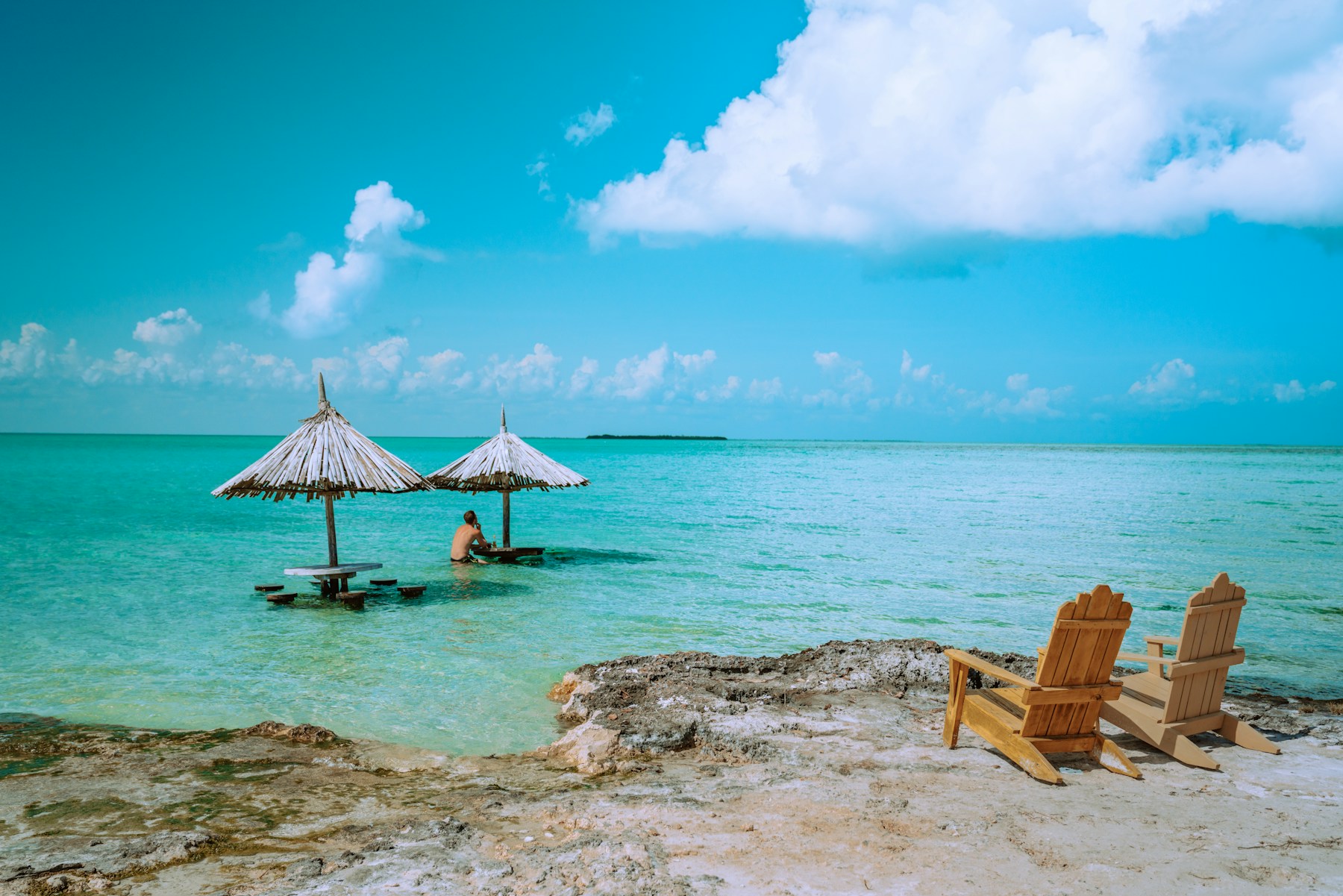
05 · Boutique Hotels, Riads and Ryokans
A riad is a traditional North African house built around an internal courtyard, found primarily in Morocco — Marrakech and Fez hold the densest concentrations. A ryokan is a Japanese inn built around rituals: tatami rooms, futon bedding, kaiseki evening meals, and usually an onsen, either private or communal. An agriturismo is an Italian working farm that opens its rooms to guests, typically with a table-d'hôte dinner and a breakfast of things produced on the property. A parador is a Spanish state-managed hotel, usually in a converted monastery, castle, or historic building of national significance. A hostellerie is the French version of the same idea, typically in a rural farmhouse or château.
What all of these share: the accommodation is not the place you store your luggage between activities. It is an activity. Getting there correctly means: starting with Mr & Mrs Smith or Design Hotels for the curated shortlist, then cross-referencing the property's direct site (boutique operators typically offer better direct rates than on OTAs), then looking one neighborhood away from the most expensive postcard address. The riad in the mellah rather than central Jemaa el-Fna. The ryokan in Kinosaki rather than Hakone. The caliber of experience is often identical at 60% of the price when you move one neighborhood away from the postcard shot.
Read: Boutique Hotels, Riads & Ryokans → · 10 min read.
06 · The Long-Stay Discount Nobody Claims
Most major platforms — Airbnb, Vrbo, Booking.com, and the direct booking engines of most hotel chains — offer a 10–30% discount for stays of seven nights or more, and a deeper discount again at 28 nights or more. The filter is buried under "Length of stay" or "Monthly stays" and requires a deliberate click that most travelers never make. If you are staying more than 10 nights in a single property, this is the first screen you open. The discount at that point is typically the equivalent of one or two free nights — not a rounding error.
Read: The Long-Stay Discount Nobody Claims → · 5 min read.
07 · Airbnb in 2026 — What's Actually Changed
The short-term rental market looks different in 2026 than it did five years ago. Housing pressure regulations have reduced Airbnb inventory in Barcelona, Amsterdam, New York, and Paris — not eliminated it, but made the good-value options genuinely scarce in city centers. Quality variance has increased as the platform has grown: a five-star host in Lisbon and a five-star host in Bali are rated on the same scale but represent radically different standards of professionalism. The hidden-fee problem has been partially addressed by the "total price" display option, which surfaces cleaning fees, service fees, and all surcharges before the booking step — filter for this and never turn it off.
When Airbnb is clearly the right call: groups of four or more where a shared house beats multiple hotel rooms on both price and the quality of the shared experience. Stays of a week or more in a single city where cooking saves real money. Destinations where hotels are genuinely scarce or generic. When it isn't: cities where regulations have pushed the good inventory to inconvenient or overpriced properties; trips where hotel loyalty status would offset the price premium; any booking where the cleaning fee is more than one night's nightly rate.
Read: Airbnb in 2026 — What's Actually Changed → · 11 min read.
08 · Read the Cancellation Policy Before the Photos
The cancellation column is the only line that matters when plans change. "Free cancellation until 48 hours before arrival" and "Free cancellation until 30 days before arrival" are completely different products masquerading as the same checkbox. One protects you when the airline cancels your outbound three days before departure. The other doesn't. The sequence for evaluating any property: cancellation deadline → location on the map → total price including fees → recent reviews (last 90 days only) → photos. Not the reverse. Every booking regret we've ever tracked back to a reader was a sequence regret: they read the photos first and the cancellation policy either last or never.
Read: Read the Cancellation Policy Before the Photos → · 6 min read.
09 · Hotel Loyalty Without the Obsession
Marriott Bonvoy, Hilton Honors, IHG One Rewards, World of Hyatt. You do not need to play all four — playing all four is a hobby that produces marginal value for most travelers. Pick one. The selection criteria: which chain has properties in the cities you visit most, and which first-tier status benefit matters more to you, free breakfast or guaranteed late checkout. Hit Silver (or the equivalent first tier) in your chosen program. Collect those two benefits. Stop there. Everything above Silver requires a volume of stays — 50, 75, 100 nights a year — that has moved beyond travel and into an optimization game. World of Hyatt has the most generous point redemptions at top properties. Hilton Honors has the widest footprint for casual travelers. Marriott Bonvoy has the most global properties in total. IHG has the best domestic US coverage at value price points. Start with which chain has a property near where you actually go.
Read: Hotel Loyalty Without the Obsession → · 8 min read.
Chapter IV — The Zoe Files. First-Person Accommodation.
Zoe Chen is a contributing editor at HowTo: Travel. She writes on accommodation, long-stay travel, and the ethics of short-term rentals. Her reserved piece — on booking hotels that aren't tourist traps — is the first read we assign every traveler using the Book desk. A second Zoe piece, on a six-week apartment stay in Lyon, sits in the long-stay section. Both carry the amber badge. Blue badge = editorial desk. Amber/gold badge = Zoe's byline. Never cross these.
Zoe · How To Book a Hotel That Isn't a Tourist Trap
Slug: how-to-book-accommodation-that-isnt-a-tourist-trap — The four-star in the wrong block is a worse trip than the two-star on the right one. Zoe spent three years watching which booking signals separate a memorable stay from a forgettable one. The key signals: the cancellation policy and deadline, the neighborhood context (fifteen-minute walk at 11pm, nearest grocery, nearest coffee before 8am), the review recency (90 days is the window; older reviews reflect a property that may no longer exist), and the platform channel (direct booking after three nights, OTA for price discovery and independent boutiques). The guide includes Zoe's personal shortlist of properties that have earned repeat visits — and the full list of red flags she screens for before clicking reserve.
Read Zoe's piece → · 9 min read · Amber badge · By Zoe Chen.
Zoe · Six Weeks in a Lyon Apartment — and What It Cost Me
One lease, one French landlord, one very firm checkout policy. Zoe on what long-stay apartments actually teach you about a city — the rhythms you can't read from a hotel room, the markets you would never find in three days, and the morning light at a particular angle on a street you've walked enough times that you know which paving stone is loose. Also: the one lease clause she will never skip again, the French administration that required three visits to resolve a water bill, and why the experience, even accounting for all of it, was the best six weeks of travel she has logged. The piece is a first-person account, not a how-to guide — it's the companion to the long-stay-discount guide, which covers the mechanics. This one covers the texture.
Read Zoe's Lyon piece → · 12 min read · Amber badge · By Zoe Chen.
Chapter V — The Reading List Before You Book.
Six pieces from the accommodation desk. Good for the research phase, better for the second-night-regret phase. Read them in order on a weekend before you need to book anything, and the decisions get faster every time.
- How To Book a Hotel That Isn't a Tourist Trap — Zoe's Field Guide. Editorial, 9 min read.
- The Room Rules Every Repeat Traveler Follows. Strategy, 7 min read.
- Airbnb vs. Hotels in 2026 — A Clear-Eyed Comparison. Deep dive, 11 min read.
- Pick One Hotel Program and Stop Thinking About It. Loyalty, 8 min read.
- The Long-Stay Discount Nobody Talks About. Budget, 6 min read.
- Riads, Ryokans, and Agriturismi — What to Expect. Character stays, 10 min read.
Chapter VI — Frequently — but Quietly — Asked.
Reader letters, lightly edited. The accommodation questions we get most, answered without hedging.
- Hotel or Airbnb — how do I actually decide?
- The cleanest rule: three nights or fewer, hotel. Four or more, short-term rental. Hotels charge for the lobby and the daily housekeeping whether you use it or not. Rentals start delivering value on day four when the kitchen, laundry, and living room offset the higher nightly rate. There are exceptions — boutique properties and hostels can close the gap — but the day-four rule holds for most trips in most cities.
- Is it always cheaper to book on Booking.com than direct?
- Not always, and not even usually for longer stays. OTAs price-match to win the click, but the hotel's direct channel often matches that price and adds loyalty points, a room upgrade, and a real human when something goes wrong. Invoke the price-match guarantee on the hotel site first — most four-star chains honor it without argument. Skip the OTA mystery deals unless the discount clears 25%.
- What does a neighborhood actually matter?
- Everything. A four-star hotel in the wrong block is a worse trip than a two-star pension on the right one. Before searching on any platform, open Google Maps, pin the three things you plan to do most — a museum, a train station, a restaurant you're committed to — and search for accommodation inside that triangle. The platforms sort by price; they don't sort by how livable the block is at 11pm.
- What's the difference between a riad, a ryokan, and an agriturismo?
- A riad is a traditional North African house built around an internal courtyard — found in Morocco, especially Marrakech and Fez. A ryokan is a Japanese inn with tatami rooms, futon bedding, kaiseki meals, and usually an onsen. An agriturismo is an Italian working farm that rents rooms, often with a table-d'hôte dinner included. All three make the accommodation an active part of the trip rather than a place to store your luggage.
- When is Airbnb actually the right call?
- Group trips of four or more people where a shared house beats multiple hotel rooms on price and experience. Stays of a week or more in a single city where a kitchen and a living room change your daily rhythm. Destinations where hotels are genuinely scarce or generic. Cities where the Airbnb supply is healthy and the hidden-fee problem hasn't made the pricing dishonest — filter for total price display to see what you're actually paying before committing.
- Should I always book refundable?
- If the refundable rate is within 10% of the nonrefundable, take the refundable — the flexibility is worth more than the savings on the day a flight cancels or a visa is refused. Beyond that 10% gap, the math depends on your trip: a once-in-a-lifetime honeymoon with non-refundable flights probably warrants refundable accommodation regardless of the premium; a domestic weekend with no fixed costs doesn't.
- How do I find boutique and character properties that don't charge boutique prices?
- Start with Mr & Mrs Smith and Design Hotels for curated shortlists. Then cross-reference the property's own site — boutique operators often have better direct rates than on OTAs. Look in the second neighborhoods: the riad in the mellah rather than central Jemaa el-Fna; the ryokan in Kinosaki rather than Hakone. The caliber of experience is often identical at 60% of the price when you move one neighborhood away from the postcard shot.
- How do loyalty programs actually work for hotels?
- Pick one chain and one program. Hit the first status tier — Silver in most systems — and collect the two benefits that matter: free breakfast and guaranteed late checkout. Everything above Silver requires stays that most travelers will never book. Marriott Bonvoy, Hilton Honors, IHG One Rewards, and World of Hyatt are the four programs worth considering. Hyatt has the most generous point redemptions at the top properties; Hilton has the widest footprint for casual travelers.
- What is the long-stay discount and how do I find it?
- Most major booking platforms offer 10–30% discounts for stays of 7 nights or more, and a deeper discount at 28 nights or more. The filter is usually buried under 'Length of stay' or 'Monthly stays' and requires a manual click most travelers never make. If you're staying 10 or more nights in a single property, filter for monthly rate before comparing any options.
- What should I actually check before confirming a booking?
- In order: cancellation policy first (not the photos, not the reviews), distance from your actual daily anchors on the map, total price with all fees visible, guest reviews from the last 90 days only, and whether the breakfast rate is cheaper direct. That sequence takes 8 minutes and prevents 90% of accommodation regrets.
Right room. Right neighborhood. Book with confidence.
The desk has done the research. The rules are written. Pick a guide and let it collapse the decision to one hotel on one street in the right block for the trip you're actually taking.