THE PACKING DESK · 5 CHAPTERS
Everything you need. Nothing you don't.
Most people pack twice as much as they wear and half as much as they need. The discipline of fitting two weeks into a carry-on starts long before the suitcase opens — it starts with the right shell, the right method, the right wardrobe, and the willingness to leave six items at home that everyone else is dragging through three airports. Five chapters. One bag. Pack like you've done this before.
- 5 chapters — Packing lanes from luggage to leftovers
- 40L — The cap that turns a checked-bag traveler into a one-bag traveler
- −4 kg — Average weight saved by readers who run our edit pass
- 14 days — The trip length our system fits into a single carry-on
Chapter I — Luggage. The right shell.
Hard or soft. Carry-on or checked. The one-bag philosophy or three matching cases. The bag you choose decides the trip you have. Most travelers own one bag and use it for everything — the right shell is the one matched to the trip, not the one already in the closet. Pick by length of trip, ground conditions, and whether you fly the budget carriers that enforce size with a metal cage at the gate.
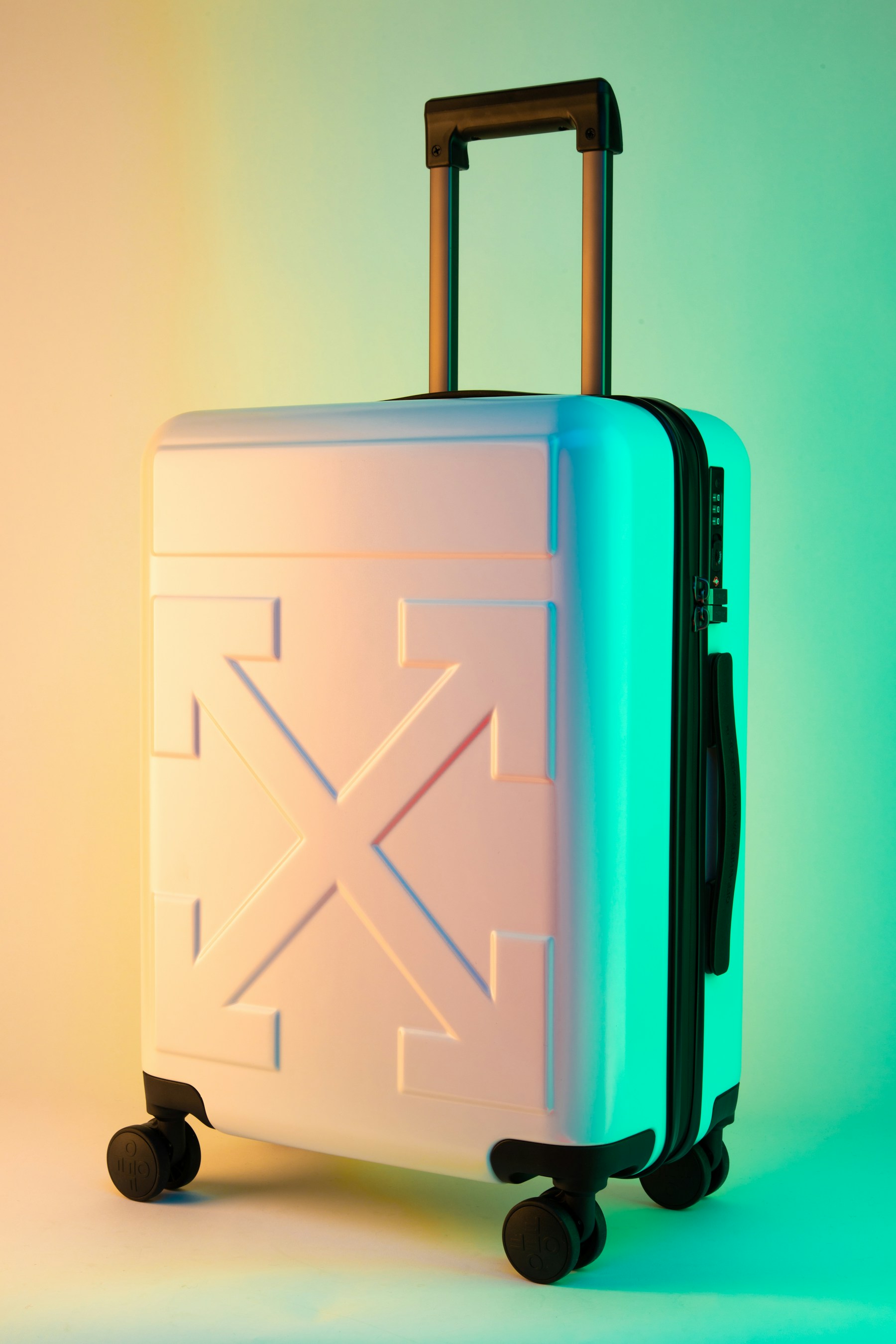
Hard Carry-On — Overhead Bin · 22 × 14 × 9 in
Polycarbonate shell, four spinner wheels, TSA combination lock. Best for short trips and protecting electronics or fragile gifts. Heavier empty (3.5–4 kg) but holds shape under crushing baggage handlers and the inevitable pile of bags above it on the conveyor. Pick aluminum trim if you'll do this 30+ times a year. Rimowa, Away, and Tumi rule this segment. Best for trips of 7 nights or fewer.
Soft Carry-On — Under Seat · 18 × 14 × 8 in
Ballistic nylon or Cordura, two-wheel or four-wheel, expandable gusset. Lighter (2–2.5 kg empty), more forgiving in tight overhead bins, and you can shove an extra layer in when you need to. The choice for one-bag travelers and anyone flying budget carriers with strict size policies (Ryanair, Wizz, Spirit). Patagonia, Osprey, Tom Bihn, Peak Design rule this segment. Best for the one-bagger.
Hard Checked — Baggage Claim · 28 × 20 × 12 in
The big polycarbonate. 65–75L capacity, four-wheel spinner, integrated TSA lock. Use for trips over 10 days, beach gear, ski gear, or when one large bag replaces two carry-ons for a couple. Don't fill to capacity — leave 20% room for souvenirs and the inevitable resort towel. Watch the airline's checked-bag weight allowance: 23 kg is the standard floor; over that triggers excess charges that can clear $100 per bag. Best for trips of 10 nights or more.
Soft Duffel / Travel Pack — Overland · No wheels, no rules
Wheel-free travel pack with backpack straps and a top handle. The right tool for trekking, multi-day train travel, hostel stays, and anywhere with stairs or cobblestone. Look for 40–45L (carry-on legal in most regions), a hip belt that takes the load off your shoulders, and a separate shoe compartment. Patagonia Black Hole, Cotopaxi Allpa, Peak Design Travel Backpack, Osprey Farpoint. Best for rough ground and stairs.
The one-bag philosophy
Forty liters. Single carry-on. Two weeks. The discipline isn't about toughness — it's about decision quality. When the bag has hard limits, every item earns its space. The carry-on cap forces you to choose your favorite shoes, not your three pairs of "maybe" shoes. It forces a capsule wardrobe instead of a guest closet. It eliminates the 90-minute wait at baggage claim and the 1-in-50 chance the bag never arrives. The travelers we admire most live out of one bag for months at a time. The travelers we feel sorry for are the ones dragging two checked bags through a cobblestone alley at midnight.
The four-wheel rule
Four-wheel spinners on smooth airport floors and hotel lobbies. Two-wheel pulls for cobblestone, train platforms, and anywhere a wheel might catch a gap. If you can only own one bag, two wheels are the safer bet — a spinner on cobble drags sideways and snaps a wheel mount. If you own two, keep the spinner for short trips through major airports.
Read more: How to Choose the Right Carry-On for Your Travel Style. 9 min read.
Chapter II — The System. How the bag gets packed.
Rolling versus folding versus packing cubes. The edit pass. The 30 percent rule. Most people pack twice as much as they wear and half as much as they need. The argument over rolling versus folding versus cubes is older than rolling luggage itself — and the truthful answer is that each wins at a specific job. Pick by garment type, not by religious affiliation.
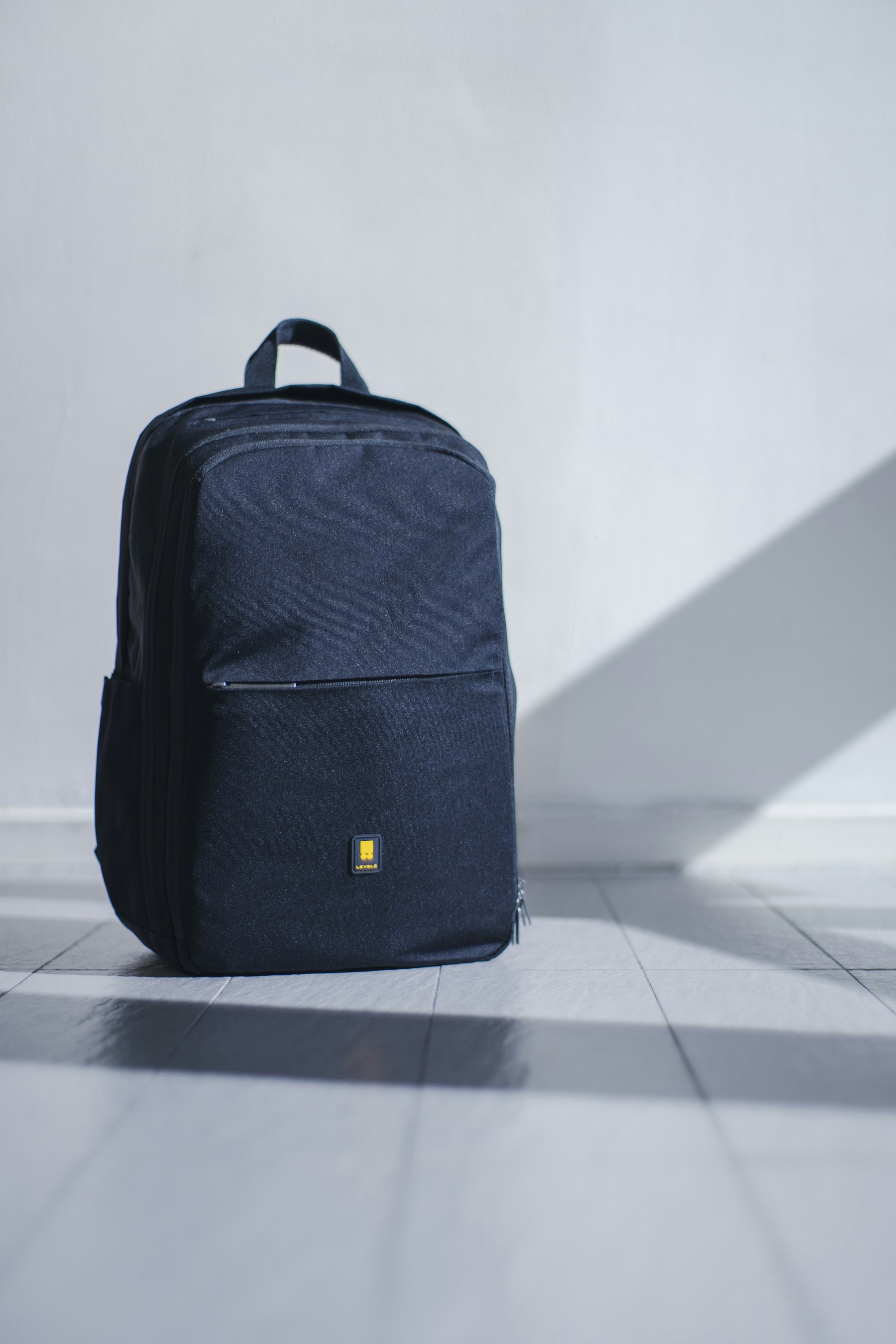
Roll Tightly — +30% More Fits
Lay the garment flat, fold sleeves in, then roll from bottom to top. Compresses denser than folding, reduces wrinkles in t-shirts and synthetics, and lets you see every garment at a glance. Best for: tees, base layers, jeans, and casual pants. Skip for: dress shirts, blazers, and structured cotton — rolling will crease them in places you can't iron out.
Fold Crisp — Preserves Shape
Use the bundle method: lay each item flat, stack on top of one another, then fold the whole bundle around a soft core (socks, underwear, swimwear). Wrinkles concentrate in the center where they don't show. Best for: dress shirts, blazers, dresses, and structured cotton. The slow method, but the right one for business or smart-casual. Hotels can press the unavoidable wrinkle for $10 in the morning.
Pack in Cubes — Organizes Trips
3–4 packing cubes, sorted by category: tops, bottoms, layers, underwear & socks. Compresses about as well as rolling, makes living out of a bag actually livable, and turns the bag into a 4-drawer dresser the moment you arrive. The choice for: multi-stop trips, families, and anyone tired of rummaging at 6 a.m. Eagle Creek, Peak Design, and Patagonia all make compression cubes that take this even further on tight bags.
The three rules of the system
- Lay everything out 48 hours before. Spread the full pile on a bed and look at it. You'll see the duplicates and the gaps. The visible-checklist problem solves itself the moment you can see the whole pile.
- Then remove a third. Most travelers pack 30% more than they wear. Pull a third from the pile before it ever sees the bag. You will not miss any of it.
- Pack outfits, not items. Plan in 5–4–3–2–1: five tops, four bottoms, three layers, two pairs of shoes, one jacket. Mix-and-match yields 12–15 outfits across two weeks.
Read more: How to Pack a Two Week Trip into a Single Carry-On. 11 min read.
Chapter III — Climate Dressing. Layers do the work.
Layering logic, the capsule travel wardrobe, and the truth about shoes. Two pairs handle 90% of trips. The third pair is almost always a mistake. The capsule travel wardrobe is the difference between living out of a bag for two weeks and living out of a bag for a single weekend three times in a row.
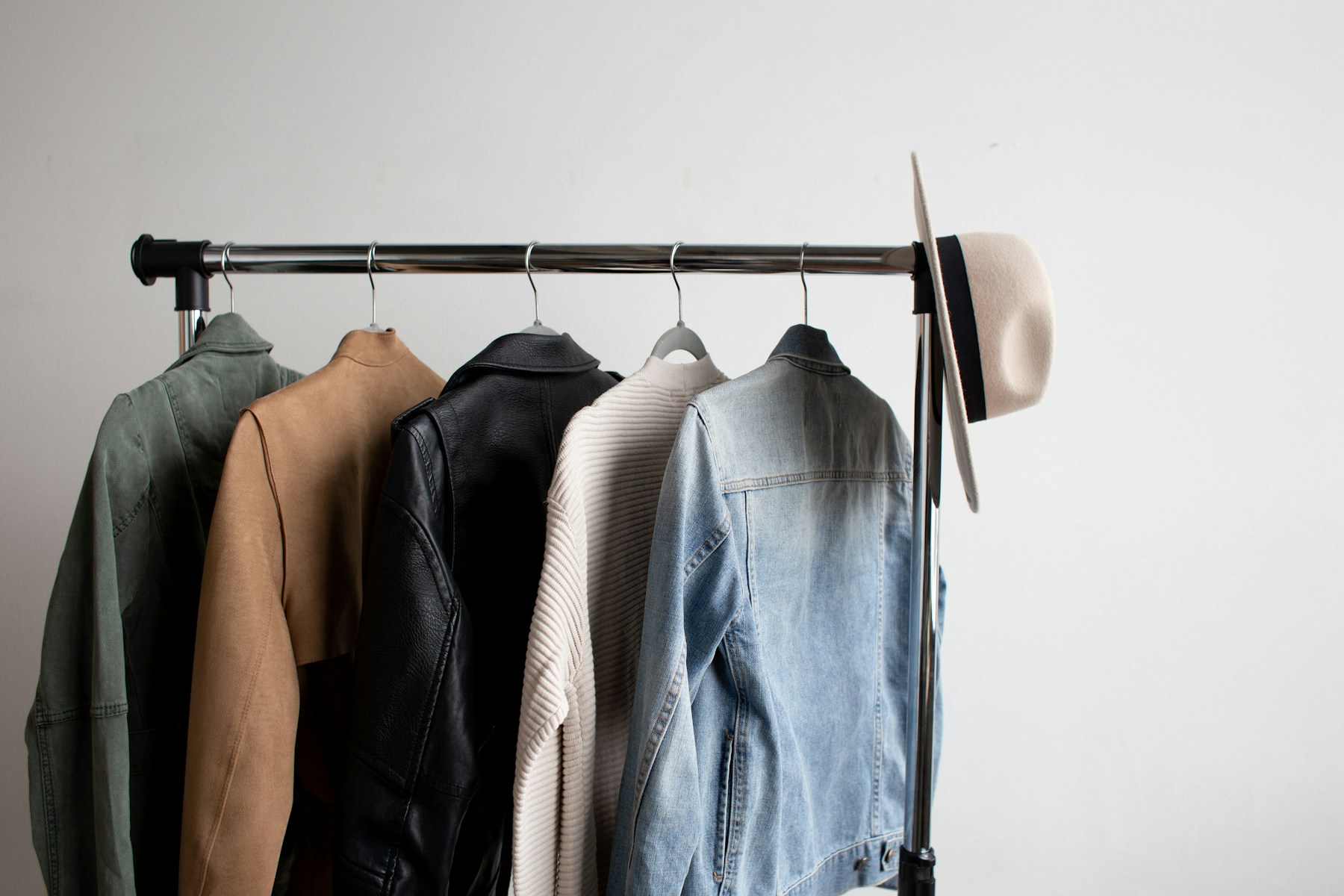
Base, mid, shell — the three-layer system
A merino base layer, a fleece mid-layer, and a packable rain shell handle anywhere from −5°C to 25°C. Add one warm hat and one thin pair of gloves and you've handled 0°C wind without packing a parka. The bulk goes on your body for the cold leg of the trip — wear it on the plane, then it's not in the bag. Merino dries fast, doesn't hold smell, and weighs nothing — it's the closest thing to a miracle fabric in clothing.
5–4–3–2–1 — the capsule formula
Five tops, four bottoms, three layers, two pairs of shoes, one jacket. Mix-and-match across the set should yield 12–15 distinct outfits. Plan to wash mid-trip — every hotel does laundry, every Airbnb has a washer, every neighborhood has a laundromat. The capsule lives in one packing cube and weighs about 4–5 kg total. Add 1 kg for shoes, 1 kg for the jacket if it's not on your body. You're at the cap.
Two pairs of shoes, never three
One walking shoe, one smart shoe. The walking shoe is closed-toe, supportive, and broken in (six weeks before the trip, minimum). The smart shoe is the one you'd wear to dinner without thinking about it. The third pair is the one you bring "just in case" and never wear; they take up the most space of any item by volume. If you are going to a wedding, bring three. Otherwise: two.
Layers, not duplicates — the multi-climate trip
Visiting Reykjavík and Lisbon in the same trip? Pack one wardrobe of layers, not two wardrobes. Merino base under fleece under shell. Strip layers in Lisbon, add them in Reykjavík. Same bag, two climates, no compromise. The mistake people make on multi-climate trips is packing two parallel sets — one for each climate — and ending up with a bag that has neither version's full kit.
Read more: How to Pack for Two Different Climates Without Doubling Up. 8 min read.
Chapter IV — The Carry-On. The bag you keep.
What always goes in the bag you keep next to you. TSA limits, the medication rule, the comfort layer, and what to do when checked luggage doesn't arrive. Pack the carry-on like you'll be separated from the checked bag for 48 hours, because one in fifty trips, you will be — and that's the trip the carry-on saves.
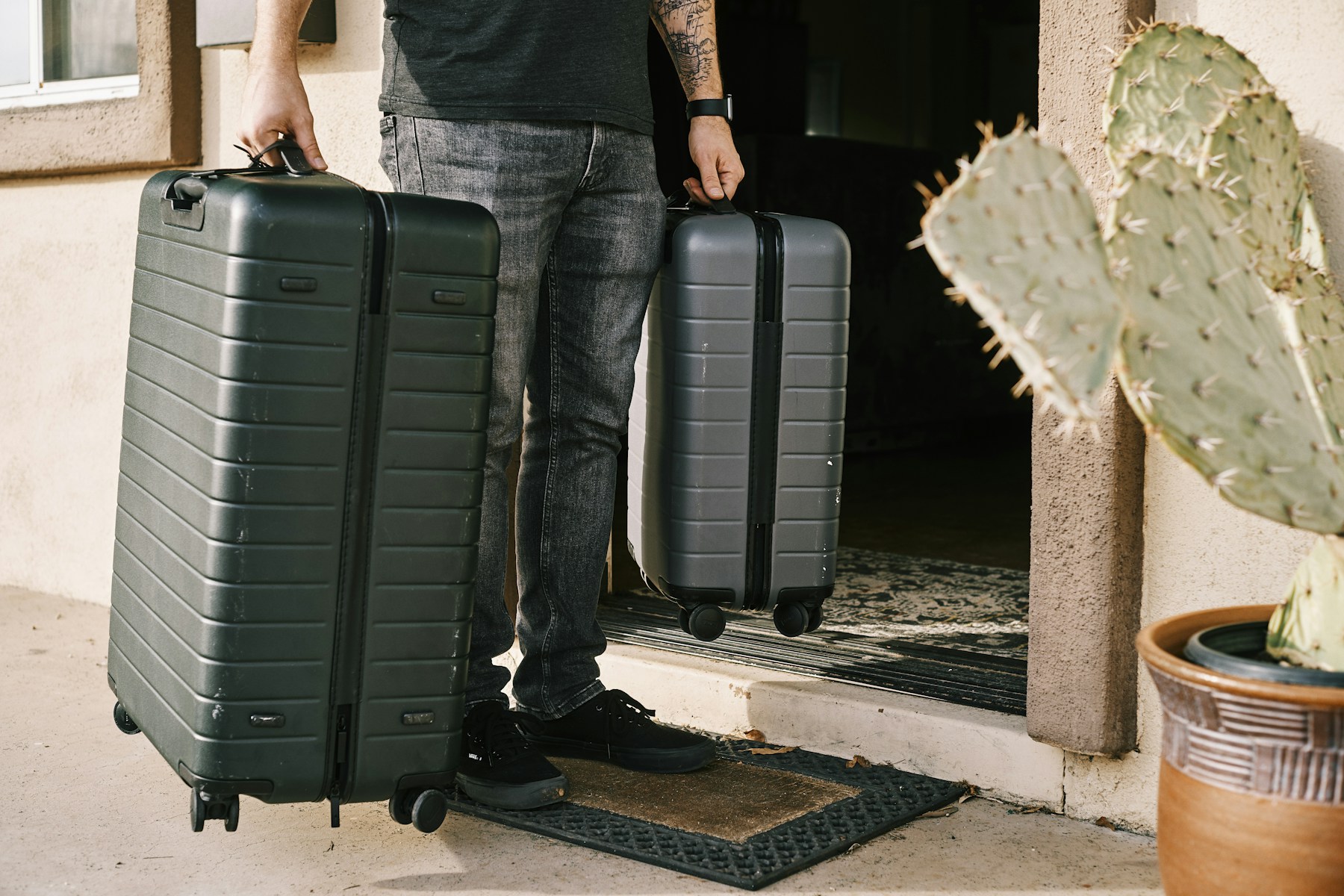
Documents — The non-negotiables
Passport, ticketed boarding pass (digital and printed), travel insurance card, hotel address printed in local language, $200 in local currency, second debit card, and a spare passport photo. Lose the bag with these in the underseat and the trip stops. The printed boarding pass survives a dead phone; the printed hotel address survives a translation app outage at the immigration desk.
Medications — Original packaging only
Every prescription in its original labeled bottle. A signed letter from your doctor for anything controlled. Two days of every chronic medication you take, plus the rest in the checked bag if there is one. Painkillers, motion sickness, electrolytes. Never put any of this in checked luggage — if the bag is delayed, you have 48 hours of inventory; if it goes in checked, you have zero.
Electronics — What charges and what reads
Phone, charger, universal adapter, 10,000 mAh power bank, headphones, e-reader or one paperback, laptop if you'll use it more than twice. Lithium batteries are not allowed in checked luggage — every power bank and spare camera battery goes carry-on or it doesn't fly. Universal adapters from Anker or Epicka cover 150+ countries. The 10,000 mAh power bank gets you through a 14-hour transit day.
TSA Liquids — 100ml each, 1L bag total
Toothpaste, contact solution, prescription eye drops, the small moisturizer, the small deodorant. Pull this bag out at screening before you reach the belt. Anyone arguing about size limits at the X-ray machine is the reason the line is slow. Pack the liquids bag at the very top of your carry-on for fast access.
Comfort Layer — Survive the seat
Fleece or hoodie, thick socks, eye mask, earplugs, refillable water bottle (empty before security), one snack that isn't a granola bar. Long-haul flights run cold; hotels run colder. Layer up before takeoff and stop being miserable in row 34. The eye mask + earplug combo is the difference between landing rested and landing wrecked.
Delayed-Bag Kit — If checked luggage is late
One change of underwear, one t-shirt, toothbrush, deodorant, phone charger. If your checked bag doesn't arrive, you have 48 hours of dignity. Most airlines reimburse $100/day for delayed-bag essentials — keep receipts, file the claim at the baggage office before you leave the airport, and ask for the case number in writing.
Read more: How to Pack Your Carry-On So You Survive the Long-Haul. 10 min read.
Chapter V — What Stays Home. The list that never makes the cut.
Six items most people pack and almost never use. The hairdryer. The full bottle of shampoo. The third pair of shoes. The extra book. Cut these and the bag drops 4 kg before you've packed a single shirt — and the trip improves immediately, because you're not dragging an extra 4 kg through three airports for the privilege of using none of it.
- The Hairdryer. Every hotel and short-term rental has one. Travel hairdryers are bulky, weak, and a fire hazard at 220V on a 110V plug. Skip it.
- Full-Size Toiletries. Decant into 100ml bottles or buy on arrival. A full bottle of shampoo weighs 350g, leaks 12% of the time, and costs $4 at any pharmacy in any country you'll visit.
- The Third Pair of Shoes. Two pairs handle 90% of trips: a walking shoe and a smart shoe. The third pair is the one you bring "just in case" and never wear. They take up the most space of any item by volume.
- Just-in-Case Clothing. If you wouldn't wear it at home twice this week, you won't wear it abroad. Pack the clothes you actually wear, not the aspirational version of yourself.
- Books You're Not Reading. An e-reader holds 4,000 books and weighs 200g. A printed book weighs 500g and you'll read 30 pages. Pick the e-reader, or one paperback you've already started.
- The Iron. Hotels have one. Steam from a hot shower handles minor wrinkles. Wrinkle-release spray (decanted into a 100ml bottle) covers everything else. The travel iron is the all-time most-packed least-used item.
Across all six items, the average traveler saves 4 kg of packed weight, two cubic feet of bag volume, and one inevitable airport check-bag fee. The bag isn't lighter because you bought a lighter bag — the bag is lighter because the contents are honest.
One bag. One trip.
RoundTrips is the workspace we built for ourselves: pack lists tied to weather, climate-aware capsule wardrobes, the carry-on essentials checklist, and the editor that fights you when you over-pack. One tab. One trip. One zipped bag. Open it once and the half-packed-suitcase-on-the-bedroom-floor problem is solved.
If you only read four things before you zip the bag.
- How to Choose the Right Carry-On for Your Travel Style. Luggage, 9 min.
- How to Pack a Two Week Trip into a Single Carry-On. System, 11 min.
- How to Pack for Two Different Climates Without Doubling Up. Climate, 8 min.
- How to Pack Your Carry-On So You Survive the Long-Haul. Carry-On, 10 min.
The questions, answered.
- Should I bring a carry-on only or check a bag?
- For trips under 10 days: carry-on only, almost always. You skip the baggage claim wait, you don't lose your luggage, and the discipline of packing into 40-45L forces you to pack the right things. For trips over 10 days, beach trips with bulky gear, or family trips with kids: check a bag. The rule of thumb — if you can fit your essentials in a carry-on, you should.
- Are packing cubes actually worth it?
- Yes, for two reasons that aren't compression. First, they organize the bag into 4 drawer-sized compartments — your bag becomes a livable storage unit at every hotel. Second, they make the daily 'where's my t-shirt' problem disappear. Compression-wise they're roughly equivalent to rolling. Buy 3-4 in different sizes; brand barely matters.
- What's the right number of outfits to pack for two weeks?
- Six to seven outfits, washed twice. The 5-4-3-2-1 rule covers it: 5 tops, 4 bottoms, 3 layers, 2 pairs of shoes, 1 jacket. Mix-and-match across the set should yield 12-15 distinct outfits. Plan to wash mid-trip — every hotel does laundry, every Airbnb has a washer, every neighborhood has a laundromat.
- How do I pack for two different climates on the same trip?
- Layer, don't duplicate. A merino base layer, a fleece mid-layer, and a packable rain shell handle anywhere from -5°C to 25°C. Add one warm hat and one thin pair of gloves and you've handled 0°C wind without packing a parka. The bulk goes on your body for the cold leg of the trip — wear it on the plane, then it's not in the bag.
- What can't I bring in carry-on?
- Liquids over 100ml, sharp objects (scissors over 4 inches, knives), large quantities of powder (over 350ml internationally), and any flammable item. Lithium batteries — including power banks and spare laptop batteries — must go in carry-on, not checked. The TSA published list is updated quarterly; check it for your specific item if in doubt.
- How early should I start packing?
- Lay everything out 48 hours before departure. Pack the bag 24 hours before. The 48-hour gap lets you spot what's missing, what's redundant, and what doesn't fit. Packing the night before guarantees you'll either forget something or pack three of one item and zero of another — the visible-checklist problem solves itself when you can see the whole pile on a bed for two days.
- What's the one thing seasoned travelers always pack that beginners don't?
- A second bag. A folded canvas tote (50g, lives at the bottom of the carry-on) that becomes the day bag, the laundry bag, the souvenir bag, and the 'oh no the checked bag is overweight' redistribution bag. After that: a universal sink stopper, a clothesline with suction cups, and an empty water bottle to fill after security.