THE TIMING QUESTION · 8 WINDOWS
When to Go — the calendar is the strategy.
Every destination has a window when it makes sense. Some windows are obvious. Most of the best ones aren't. Eight ways to read the calendar before you commit to dates, prices, and a version of a place that may not be the one you wanted.
The eight windows of the year.
Same destination, eight very different months. The window you choose sets the price, the crowd, the weather, and the version of the place you actually get. Choose deliberately — the calendar is the strategy.
-
01 · Spring — March, April, May
Shoulder begins in earnest. Alpine snow lingers above 2,000m but the valleys bloom. Prices drop before the crowds arrive. The three months the industry chronically undercharges for. 48 guides, 6 new this season.
-
02 · Summer — June, July, August
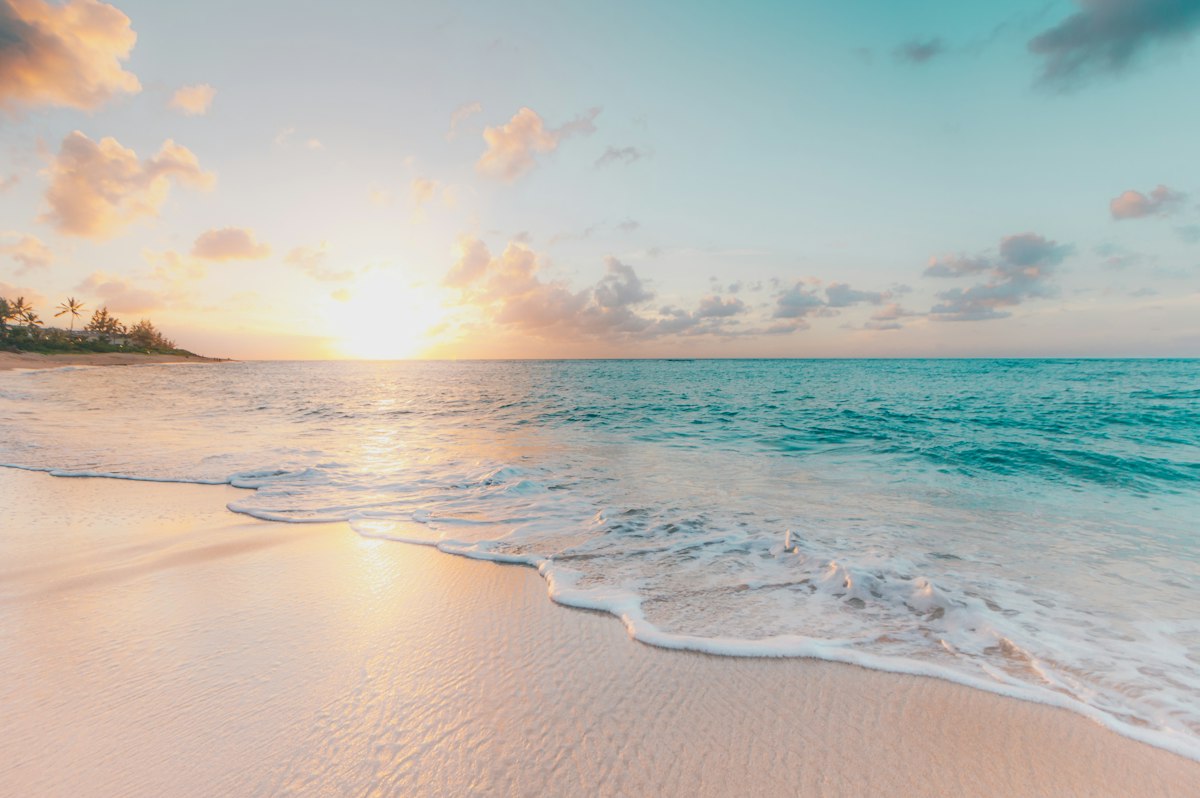
Peak everything. The prices, the crowds, the heat. The families who had no choice. The operators who know it. Also: the Mediterranean at its most Mediterranean. The Maldives before monsoon. Northern Scandinavia at midnight sun. 62 guides — peak and crowd-reduction shortlists inside.
-
03 · Fall — September, October, November
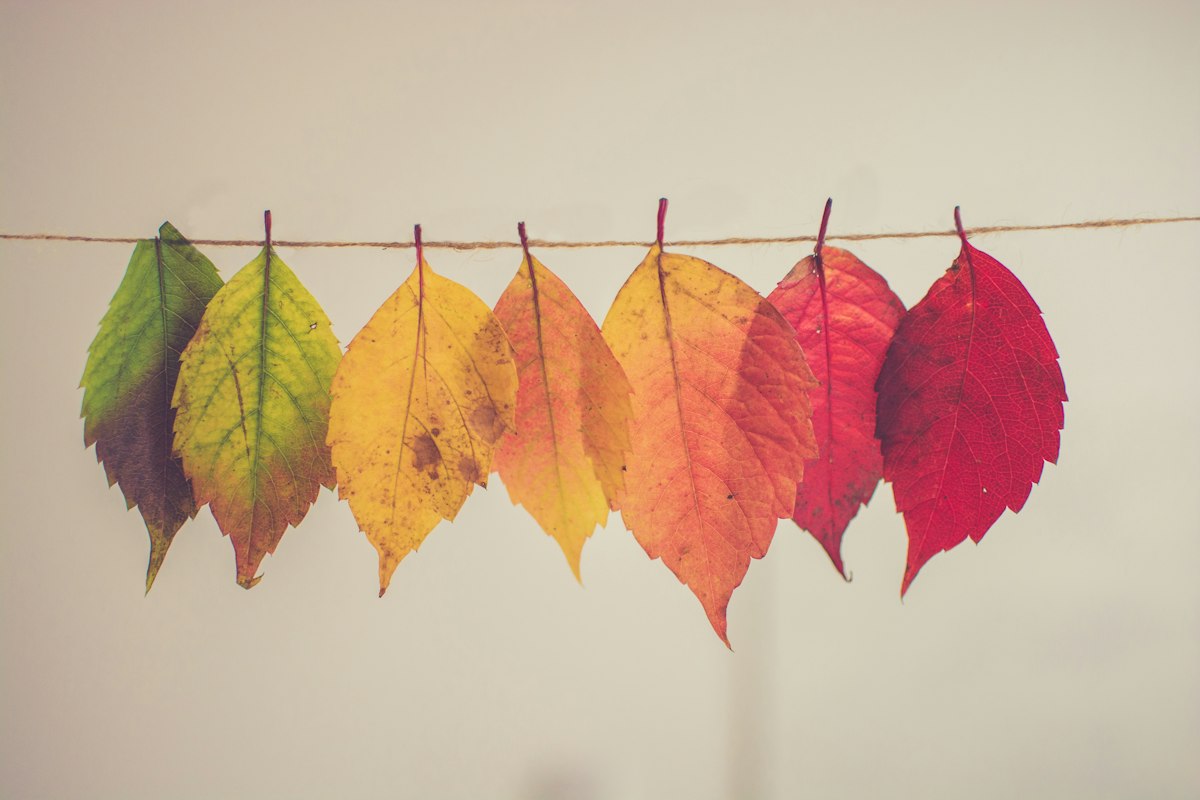
The quiet lane. Harvest season in wine country — Burgundy, Tuscany, the Douro Valley. Foliage in New England and across Japan. The whole of Southeast Asia opening after monsoon. September is the month Europe keeps to itself. 54 guides — foliage and harvest shortlists.
-
04 · Winter — December, January, February
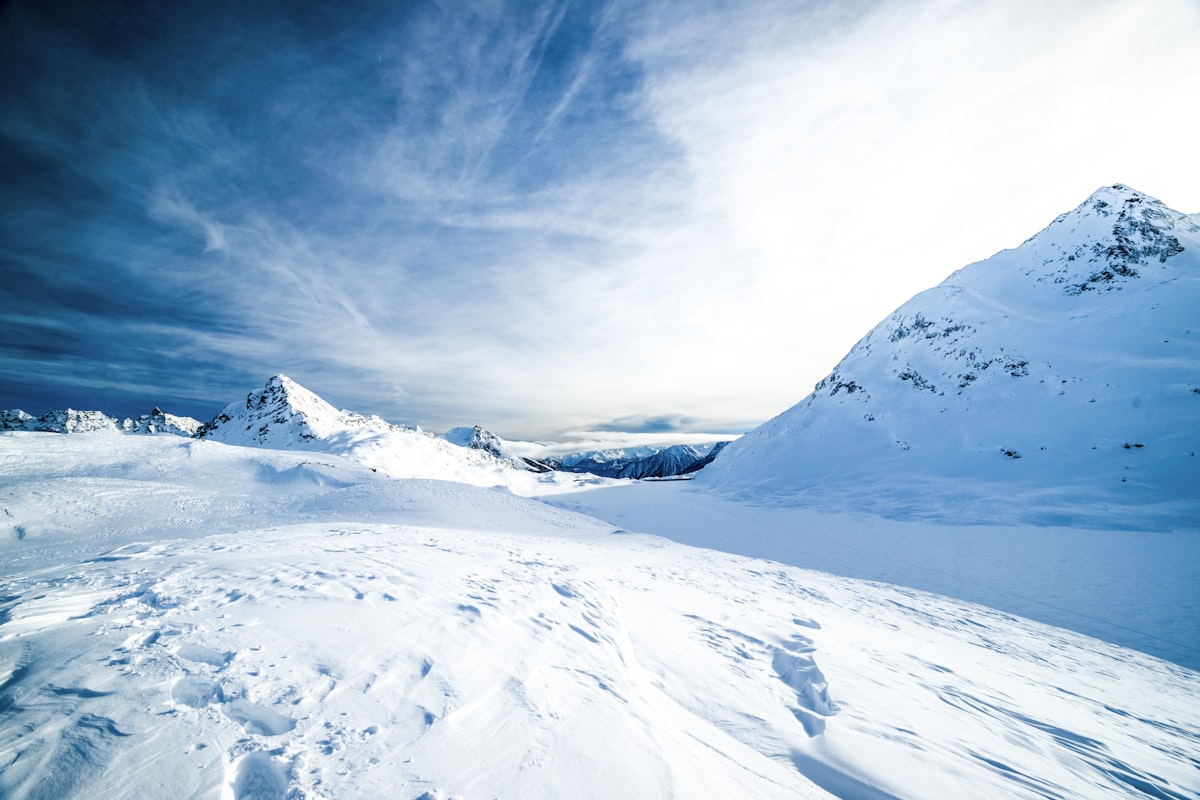
Snow trips for the northern hemisphere. The southern hemisphere's summer. Off-season deals in Europe so deep they feel like errors. January is the cheapest month to fly, every year, no exceptions. The Maldives, Cape Town, Patagonia, and New Zealand at their best. 46 guides — snow trips and southern summer split.
-
05 · Shoulder Season — The Two Windows
April–May and September–October. The two bands nobody talks about. Warm enough, cheap enough, empty enough. The professionals' calendar. The operators know it too — they just don't advertise it. 31 guides, spring and autumn shoulder splits.
-
06 · Avoiding Crowds — Same Place, Different Week
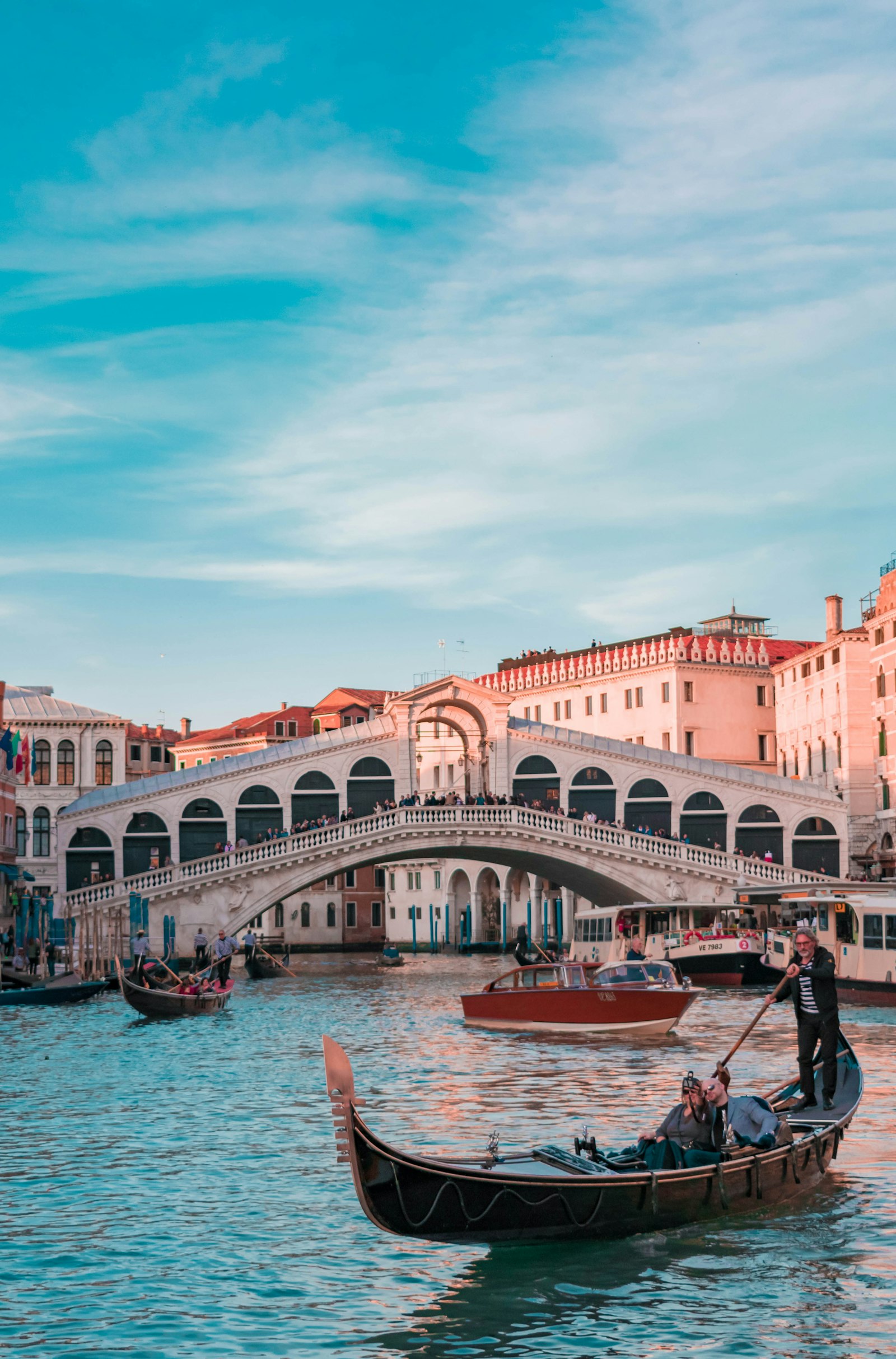
The same destination, a different fortnight. Venice in November. Kyoto in June. Iceland in October. The technique is simple; the calendar is everything. What changes: the price, the wait times, the version of the place that emerges when the crowds are elsewhere. 28 guides on timing strategy.
-
07 · Weather Windows — The 3-Week Perfect Band
Every destination has a 2–4 week window when conditions align: post-monsoon clarity in Nepal, pre-storm stillness in Patagonia, the dry spell in East Africa before the long rains. These are those windows, mapped by destination. 39 guides on climate and conditions.
-
08 · Festival Calendar — Book 12 Months Out
Fifty trips that have to be a specific week. Carnaval in Rio. Diwali in Varanasi. Cherry blossom in Kyoto. Burning Man. Holi in Rajasthan. Edinburgh Fringe. The dates that build the trip, not the other way around. 22 guides, all fixed-date events. Book early.


Field notes on reading the calendar.
From the desk that has watched 600 timing decisions go wrong. A few patterns keep appearing.
"The destination is not the decision. The month is." — Clara Bautista, Senior Editor, When Desk.
People spend weeks choosing between two destinations and thirty seconds choosing between two months at the same destination. The destination is the headline. The month is the actual trip.
Paris in August is not Paris. It is a facsimile operated largely by tourists, with half the locals gone and most of the good restaurants shuttered. Paris in October is the other thing — the thing people mean when they say they love the city. Same flights. Same hotel. Different trip entirely.
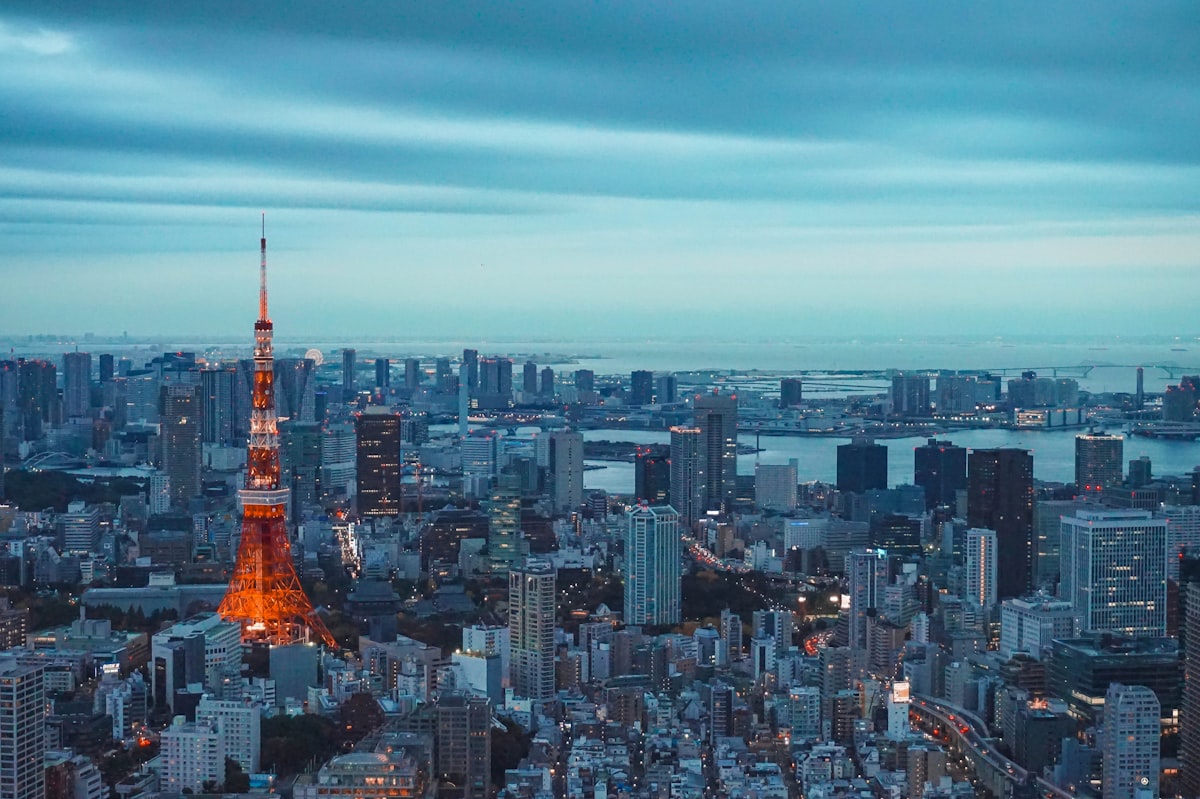
This pattern holds almost everywhere. Tokyo in the week before Golden Week is a masterpiece of timing. Tokyo during Golden Week is a lesson in what happens when 127 million people take the same holiday. Same city. Same flights. Twenty percent price difference and a completely different experience on the street.
The advice is simple: pick the destination, then spend equal time on the month. Read the historical weather data. Look up school holiday schedules for the countries you'll be traveling with. Check the festival calendar — not just for events you want to attend, but for events that will fill every hotel in a 200km radius. Ask what the locals do in August. Usually they leave.
- 600+ timing decisions studied and annotated this year at the When Desk.
- 31% average price drop between peak season and shoulder season for the same destination.
- 2–4 weeks is the typical length of a destination's optimal weather window.
- 9.4 / 10 reader rating across the timing essay set this season.
The twelve-month calendar.
A rough read of the year. Not gospel — conditions vary by destination, year, and how far in advance you plan. But as a starting frame for thinking about when to go where, it holds more often than it doesn't.
January · February
The cheapest months in the calendar. Post-holiday demand collapse across the northern hemisphere. Airlines and hotels respond — prices on European city breaks, Southeast Asia beach resorts, and Japan cultural itineraries all hit their floor. On the other side: New Zealand, Patagonia, Cape Town, and the Maldives hit their summer peak. Know which side of the planet you're booking before you assume January is cheap.
Good for: budget travelers, Southeast Asia, Japan off-season, Iceland northern lights, southern hemisphere summer (New Zealand, Argentina, South Africa).
March · April
Shoulder opens. Cherry blossoms in Japan pull enormous crowds to Kyoto and Tokyo — book 12 months out for the best weeks. Easter is variable and creates a sharp crowd spike across Catholic Europe. Late April is the exhale: post-Easter, pre-summer, prices still low, weather improving. The window between Easter and May bank holidays is genuinely underused.
Good for: Japan hanami, shoulder Europe, pre-summer Mediterranean, South America autumn.
May
The month insiders book. Europe before summer rates. Mediterranean water temperature climbing. School still in session across North America and most of Europe — the crowds haven't arrived. Shoulder pricing holds. Weather reliable across Western Europe, the Middle East, and Central Asia. One of the strongest months in the calendar for independent travelers with flexibility.
Good for: Europe, Middle East, North Africa, pre-monsoon Himalayas, Japan after peak cherry blossom.
June · July · August
Peak everything. You know what this is. If you must travel during school holidays, go early June (before most schools break) or late August (after most have returned). Avoid the week of July 4 in the US if you're not celebrating, and the UK bank holiday weekends in August if you're anywhere near the English Channel. The Mediterranean in July is hot, expensive, and overwhelmingly visited — and still worth it if you go to the right places at the right times of day.
Good for (if you have no choice): Mediterranean islands, Scandinavia, northern Canada, Iceland midnight sun, East Africa dry season game drives.
September · October
The best two months most people miss. Summer crowds gone by the second week of September. Prices down 20–40% from peak almost everywhere. Weather still warm across the Mediterranean and much of Southeast and East Asia. The harvest calendar opens across Europe — wine regions, truffle season, food festivals. Japan begins its second foliage cycle. This is the professionals' window and they guard it jealously. Build your travel year around it if you can.
Good for: Wine-country Europe, Japan autumn foliage, Southeast Asia opening after monsoon, East Africa shoulder, South America spring.
November · December
The split month. November is the last quiet month in most of Europe before Christmas markets arrive. Bali enters its dry season. The US internal market spikes around Thanksgiving. December is Christmas crowds plus ski season in the Alps. Between December 26 and January 3 is peak pricing globally. If you're going somewhere with Christmas markets — Vienna, Prague, Strasbourg — go early December before the weekends fill.
Good for: Southeast Asia dry season, pre-Christmas Europe, ski season, southern hemisphere spring.
Not sure? Pick four answers.
Four small questions; we'll point you at the right window. Not a quiz — just a way to break the tie when you're between two options. 90 seconds, no email.
- Your biggest constraint is… Budget · Weather · Crowds · Dates fixed.
- You need the destination to… Be warm · Be empty · Be festive · Be dry.
- Your flexibility window is… 1–2 days · 1 week · 1 month · Open.
- You're planning… Now for soon · 3 months out · 6 months out · A year out.
Pick the four that fit and the recommendation updates as you go. Change your mind whenever — there's no submit button. Your window is yours.
The reading list, by season.
Six essays from the timing desk. For the traveler who plans ahead.
- The Shoulder Season Argument, Made Properly. Method, 12 min read.
- Fifty Trips That Have to Be a Specific Week. Festival, 9 min read.
- Reading a Destination's Climate Data. Weather, 8 min read.
- The Same Place, Two Weeks Later. Crowds, 7 min read.
- January Is the Cheapest Month. Every Year. Budget, 10 min read.
- How Far Out to Book, by Trip Type. Planning, 11 min read.
Frequently — but quietly — asked.
- When is the cheapest time to travel, full stop?
- January and February, by a significant margin, for almost every destination in the northern hemisphere. Demand collapses after the holiday period, and airlines and hotels respond. The exceptions: ski resorts, the southern hemisphere's summer destinations (Patagonia, New Zealand), and anywhere that has a major festival in February. If your dates are flexible and budget is the constraint, January is the answer.
- Is shoulder season always better than peak?
- For most independent travelers, yes. The caveats: if you need reliable warm weather for a beach trip, shoulder can be a gamble. If you're traveling with a school-age family, you may not have a choice. And some destinations have a shoulder that's shoulder in price but not in crowds — the shoulder weeks in Santorini are still Santorini. Do the destination-specific research.
- How far out should I book for festival travel?
- Twelve months for major festivals — Rio Carnaval, Diwali in Varanasi, Hanami in Kyoto, anything with a fixed international audience. Six months for regional festivals. Three months for smaller events. The rule of thumb: if it has its own Wikipedia page and attracts international visitors, book a year out or accept whatever's left.
- Does monsoon season ruin a destination?
- Depends on the destination and your tolerance for rain. Much of Southeast Asia in monsoon is still very functional — showers are intense but brief. The Maldives splits its monsoon: one side of the atoll is wet while the other is dry. Nepal in monsoon is green and quiet but trekking is genuinely difficult. India's monsoon feeds its rivers, temples, and food — some travelers consider it the best time. The research is worth doing.
- What is a weather window and how do I find mine?
- A weather window is a stretch of days or weeks when conditions at a destination are statistically optimal — not too hot, not raining, not too cold, with the clearest skies and best visibility. For mountainous destinations, these windows can be as short as two weeks. For tropical beach destinations, they're several months. We document the specific window for each destination in the Weather Windows guides. Short version: look at the historical weather data for the month before and the month after your preferred travel date, and you'll see the pattern.
When to go, by destination.
A reference table for the most-planned destinations. Not exhaustive — the detailed Weather Windows guides cover each destination in full. This is the one-line answer for planning conversations.
Europe
Best months overall: May, June, September, October. Avoid August in southern Europe if crowds are a concern. The shoulder window in southern France, Italy, Spain, and Greece runs from mid-September to late October — warm seas, thinner crowds, lower prices. Northern Europe (Scandinavia, the Netherlands, Germany) is best June through August, with long days and reliable warmth. The shoulder there is May and September.
Paris peaks in July and August, drops sharply in November–January. The best-value Paris trip is late January or early February — cold, but the museums are quiet and the flights are cheap. Prague peaks in December (Christmas markets) and July. April and October are the quiet months. Budapest follows a similar pattern.
Portugal is increasingly year-round, but October remains the sweet spot: warm enough for the Algarve, harvest season in the Douro, and 30–40% cheaper than July. Lisbon in January is genuinely pleasant and half the price. All Europe guides.
Southeast Asia
Best months overall: November through April (the dry season across most of the region). The monsoon runs roughly May–October and varies by country and coast — Thailand's eastern gulf coast (Koh Samui, Koh Phangan) is dry when the western coast is wet, and vice versa. Vietnam is more complex: the north and south have different wet seasons, and the central coast has its own pattern.
Cambodia and Laos are best November–February. Myanmar (weather-wise) is October–March. Bali has a year-round climate with a wetter season December–March, though even then the south of the island is manageable. November is consistently the best month for first-time Southeast Asia travelers: the dry season has just started, prices haven't peaked, and the region is still relatively uncrowded from Western tourists. All Southeast Asia guides.
Japan
Best months overall: March–April (cherry blossom) and October–November (autumn foliage). Both require booking 6–12 months in advance for accommodation in Kyoto and Tokyo during peak weeks. The specific cherry blossom timing moves by 1–2 weeks depending on the year — check the Japan Meteorological Corporation forecast from January onwards.
Summer in Japan (July–August) is hot, humid, and crowded — the domestic holiday season. Winter (December–February) is cold, quieter, and significantly cheaper. Ski season runs December through March in Hokkaido and the Japanese Alps. September is underrated: still warm, post-typhoon season risk, but crowds and prices both lower than August. All Japan guides.
East Africa
Best months overall: July–October (dry season, the Great Migration peak in the Serengeti and Masai Mara). January–February is the second dry season and often cheaper, with fewer visitors and the calving season in the Serengeti. March–May (long rains) and November (short rains) are shoulder — operators are open, prices are lower, and the landscape is green. The rain is rarely continuous and mornings are often clear.
The specific migration river crossings happen July–October in the northern Serengeti and Masai Mara. If the crossing is the goal, book with a camp that specializes in migration positioning — the timing varies year to year and the operators who know it best are worth the premium. All East Africa guides.
India
Best months overall: October–March. The monsoon (June–September) covers most of the subcontinent, though Kerala and the Western Ghats can be beautiful in July if you embrace the rain. The peak tourist season is November–February across Rajasthan, Goa, and the Golden Triangle. March is underrated — still warm in the north, manageable in the south, and prices not yet peak. April–May are hot and increasingly uncomfortable north of the Deccan.
Diwali falls in October or November depending on the lunar calendar — it's one of the great fixed-date travel experiences, but book accommodation in Varanasi, Jaipur, and Udaipur 12 months in advance. Holi is February or March, concentrated in Mathura, Vrindavan, and Jaipur. The same 12-month booking rule applies. All Asia guides.
South America
Best months overall: depends sharply on which part. Patagonia (Argentina and Chile) peaks December–February — long days, stable weather, the windows you need for trekking Torres del Paine and Los Glaciares. March and November are the shoulders: still functional, cheaper, and less crowded. The Atacama is year-round but cooler and clearer May–October.
Brazil (Rio and the northeast coast) is best May–September — the southern hemisphere winter, which means dry and warm on the coast, cool and pleasant in the highlands. Carnaval is February or March and requires 12-month advance planning for accommodation in Rio. Colombia is near year-round with two dry seasons (December–March and June–August) and is best avoided in April–May and October–November. All South America guides.
Pick the month. Build the trip.
The windows are mapped, the patterns are written, and the calendar is on call. Start with whichever season you'd correct your last trip toward. The destination is the headline. The month is the actual trip.
Back to Plan · Budget guides · Europe by season · Asia by season · Home