THE PACKING DESK · LUGGAGE · 10 CHAPTERS
Luggage Selection — the right shell for the right trip.
Hard vs soft. Carry-on vs checked. The one-bag philosophy or three matching cases. The bag you choose decides the trip you have. Six chapters — shell types, airline size limits, personal item dimensions, weight fees, the four-wheel rule, the one-bag philosophy, backpack vs roller, expandable bag traps, durability, and a brand-agnostic buyer's framework that works without a brand opinion.
- 6 chapters — every luggage decision a traveler actually faces
- 40L — the carry-on cap that fits two weeks, one bag
- 23 kg — the checked-bag weight floor before excess fees begin
- 1-in-50 — checked bags delayed or lost per trip
Chapter I — The six chapters of luggage selection.
Every decision a traveler actually faces — from the shell type to the size cage at the gate — organized into six chapters with real articles inside each one. Plus one personal essay from Zoe on the bag that broke on day three, and the one she's carried every day since.
-
01 · Hard vs Soft Carry-On Shell
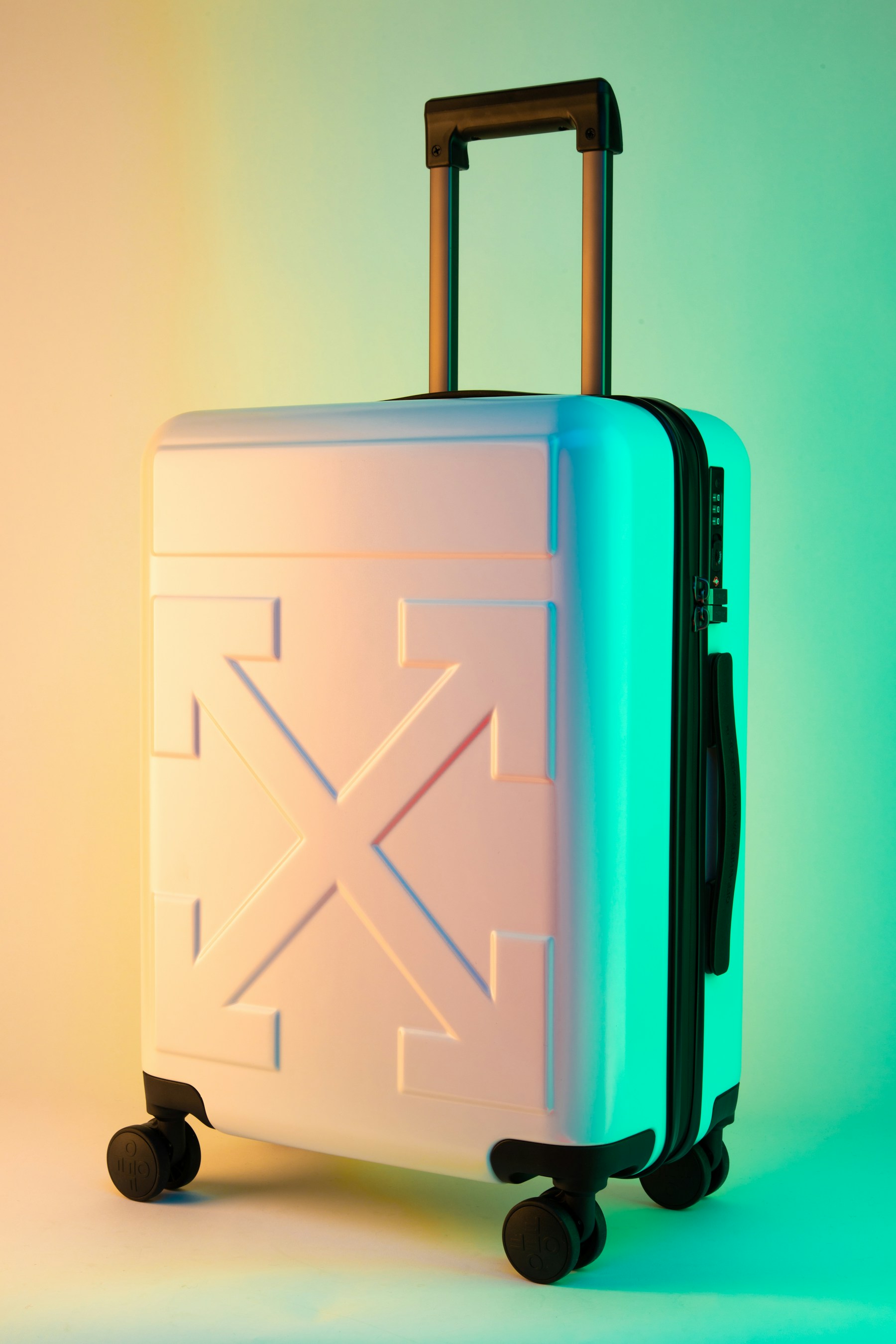
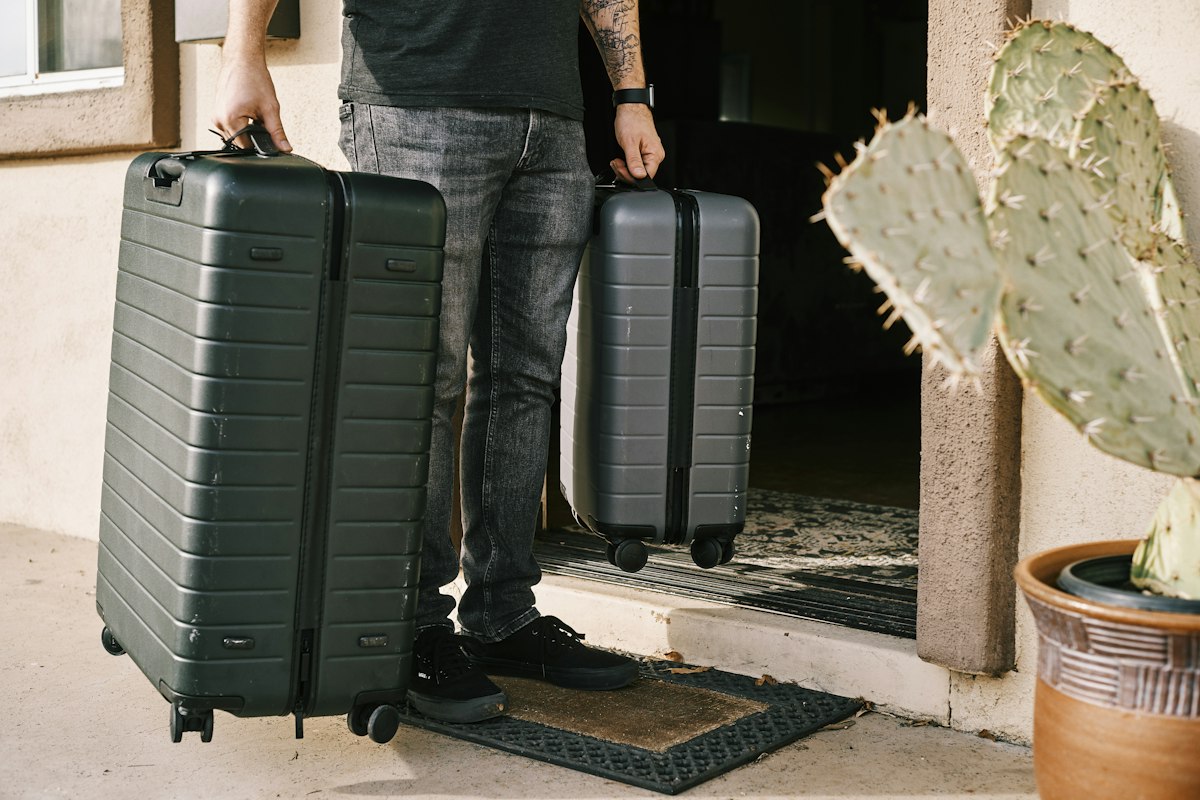
Polycarbonate shell, four spinner wheels, TSA combination lock. Best for short trips and protecting electronics or fragile gifts. Heavier empty — 3.5 to 4 kg — but holds shape under crushing baggage handlers and the inevitable pile of bags above it on the conveyor. Ballistic nylon or Cordura is lighter, more forgiving in tight overhead bins, and you can shove an extra layer in when you need to. The decision is about your trip, not your taste. 9 guides, shell and weight.
-
02 · Carry-On Dimensions by Airline
22 × 14 × 9 inches is the US standard that Delta, United, and American use. Southwest gives you 24 × 16 × 10. Ryanair enforces 55 × 40 × 20 cm at the gate with a metal cage and charges €50 if you don't fit. Wizz Air goes to 55 × 40 × 23 cm for priority boarding only — otherwise 45 × 36 × 20 cm. EasyJet holds at 56 × 45 × 25 cm. The variance is real. Always check the specific carrier before you travel, especially on multi-carrier itineraries where the strictest leg determines the bag. 7 guides, airline and budget.
-
03 · Personal Item Dimensions
18 × 14 × 8 inches is the common floor for a personal item — the under-seat bag. Spirit goes stricter. American goes to 18 × 14 × 8 as a guideline but rarely enforces it the way budget carriers enforce their carry-on limits. The personal item is your second bag on a one-bag trip: the tote, the daypack, the laptop bag that also holds your jacket and your water bottle. Know the limit or pay the gate-check fee. 5 guides, budget and under seat.
-
04 · Weight Limits and Overweight Fees
23 kg is the standard floor on most major carriers. Over that and you're looking at $50 to $150 in excess fees per bag, per leg. Some airlines — particularly in Europe and Asia — charge per kilogram over the limit, which compounds painfully. The math almost always favors shipping, redistributing into a carry-on, or cutting the load before you reach the check-in desk. A luggage scale costs $15 and saves you the first overweight fee on the first use. 6 guides, weight and fees.
-
05 · The Four-Wheel Rule
Four-wheel spinners on smooth airport floors and hotel lobbies. Two-wheel pulls on cobblestone, train platforms, and anywhere a wheel might catch a gap. The spinner wheel mount cracks under the side stress that cobblestone gaps apply repeatedly. A two-wheel pull handles those environments and still rolls on airport floors. The math: if you travel through international cities and historic areas, a two-wheel pull survives longer and handles better. If you live in airports and hotels exclusively, spinners are more comfortable. If you own one bag: buy the two-wheel pull. 4 guides, durability and ground conditions.
-
06 · The One-Bag Philosophy
Forty liters. Single carry-on. Two weeks. The discipline isn't about toughness — it's about decision quality. When the bag has hard limits, every item earns its space. You choose your favorite shoes, not your three pairs of maybe shoes. You build a capsule wardrobe instead of a guest closet. You eliminate the 90-minute wait at baggage claim and the 1-in-50 chance the bag never arrives. You stop being the person dragging two checked bags through a cobblestone alley at midnight. The travelers we admire most live out of one bag for months at a time. 11 guides, method and carry-on.
-
07 · Backpack vs Roller
A 40 to 45 liter travel pack with backpack straps and a hip belt is the right tool for trekking, multi-day train travel, hostel stays, and anywhere with stairs or cobblestone. The hip belt transfers 70 to 80 percent of the load off your shoulders, making 15 kg manageable for short distances. Look for a separate shoe compartment, a clamshell opening that lets you pack like a suitcase, and a lockable zipper for shared accommodation. A roller handles airports, hotels, and anyone who doesn't want the weight on their back and won't face stairs. A roller on cobblestone drags sideways and snaps a wheel mount. 8 guides, format and ground.
-
08 · Expandable Bags
The gusset that lets you bring home 20 percent more is almost always a trap. It expands you into checked-bag territory on the return leg when you've added a week of purchases, gifts, and the olive oil you couldn't resist at the market. The bag that fits your carry-on allowance going usually doesn't fit it coming back. Ryanair's cage doesn't care that the gusset was in its closed position when you bought the ticket. The exception: a soft-shell bag with a zip-out panel on a trip where you know both the outbound and return legs will be checked — you can expand for the return without violating any carry-on rules. For carry-on-only travelers, expandable bags are a liability. 3 guides, sizing and return.
-
09 · Durability, Wheels, and Handles
Spinner wheel mounts crack before shells do. The mount takes the impact that cobblestone, curbs, and the gap between the platform and the train carriage deliver sideways — the direction it was never designed for. Telescoping handles bend at the base where the inner tube meets the housing, not at the top. Zipper pulls are the first thing handlers grab when loading a conveyor belt. The bag that lasts isn't always the most expensive one — it's the one built correctly where it matters. Polycarbonate shells handle impact; the weak point is the wheel mount hardware. Ballistic nylon handles abrasion; the weak point is the zipper. 6 guides, build and longevity.
-
10 · The Buyer's Framework
Brand-agnostic. Five questions before you buy: how long are your typical trips, what kind of ground will you cover, which airlines do you fly most, do you always check a bag or try to carry on, and how many times a year do you actually travel. The right bag is an output of those five answers, not a brand decision made because someone else carries that brand. Rimowa, Away, Tumi, Osprey, Tom Bihn, Patagonia — they all make good bags for specific use cases. None of them is the universal right answer. Your use case is. 10 guides, buying and value.
-
By Zoe · The Bag That Broke on Day Three
I trusted a bag I'd used twice before for a six-week overland trip through Georgia, Armenia, and Turkey. The main zipper gave out in Tbilisi on day three. A zipper that had looked fine in my bedroom, fine on the outbound flight, and fine through two border crossings. This is what I learned about the bags worth trusting — and the one I've carried for six years since, through 30 countries and four continents, with no drama. Personal essay, 9 min read.




Chapter II — Field notes from the packing desk.
The patterns that hold across every bag type, every airline, every type of traveler. From the desk that has read, questioned, and occasionally mocked the luggage choices of thousands of readers who wrote to us with things like "my bag was overweight by 0.3 kilograms and it cost me $135."
"The bag you choose decides the trip you have. Most travelers own one bag and use it for everything — that's the first mistake." — Iris Mendoza, Senior Editor, Pack Desk.
The most common luggage mistake is not buying a bad bag. It's buying the right bag for a different trip. A hard-shell polycarbonate carry-on is the correct answer for a 5-night business trip that goes through two major airports and ends at a hotel with a flat, smooth driveway. It is the wrong answer for three weeks in Portugal and Morocco, where you'll navigate cobblestone medinas, stairs with no escalator, and overnight buses where the overhead rack isn't wide enough for a hard case.
The one-bag philosophy has become something of a travel identity — people who carry-on-only as a statement rather than a strategy. Strip the identity out and what you have is a useful framework: when the bag has hard limits, every item earns its space. The carry-on cap forces you to choose your favorite shoes rather than your three pairs of "I might need these." It forces a capsule wardrobe rather than a guest closet. It eliminates the baggage claim wait and the 1-in-50 chance the bag ends up in a different city than you do. Those are real benefits. The one-bag strategy works for most trips of 14 days or fewer, for solo travelers willing to do laundry once, and for trips without specialized equipment. It doesn't work as well for beach trips with bulky gear, for family travel, or for anyone carrying a full-size guitar.
Hard vs soft — the shell decision
Hard shells (polycarbonate, aluminum) absorb impact and protect fragile contents. They also weigh 1 to 1.5 kg more empty than comparable soft shells. On short trips where you're checking the bag anyway, that weight penalty matters more than the protection. On trips where you're carrying on and the overhead bin is contested, a slim soft-shell in ballistic nylon or Cordura will compress slightly and fit when a hard case won't.
The other argument for soft shells: budget carriers in Europe that enforce a metal size cage at the gate. Ryanair's cage is 55 × 40 × 20 cm. If your hard case is 56 × 40 × 23 cm — which many are — you pay to gate-check it at €50 per leg. A soft-shell will compress to fit; a hard case will not. Know your carrier's cage before you buy a bag, especially if you fly European budget carriers regularly.
The wheel question — four vs two
Four-wheel spinners are comfortable on smooth surfaces. They become a liability everywhere else. Cobblestone streets apply lateral stress to the spinner wheel mount that the mount was not designed for. The mount cracks. The wheel wobbles. After three or four cobblestone trips, the wheel breaks off entirely. A two-wheel pull doesn't have a spinner mount — the wheels are fixed, the bag tilts at an angle, and it handles every surface type without complaint.
If you travel exclusively through major US airports and four-star hotels with smooth entryways, spinners work fine and are more comfortable on the flat. If you ever navigate European old towns, train stations with gaps between the platform and the car, or anywhere that isn't airport-grade smooth flooring, two wheels are the more durable choice. The advice is simple: if you're buying one bag for all your trips, buy the two-wheel pull.
Weight fees — the math before you pack
23 kg is the standard checked bag weight allowance on most major carriers. The fee structure above that limit varies significantly. US carriers typically charge a flat fee — $75 to $100 for the first overage. European carriers often charge per kilogram — €10 to €20 per kg over the limit, which means a 27 kg bag at €15/kg costs €60 extra per leg, or €120 round-trip. On a long trip where you're checking a bag both ways, a $15 luggage scale at home and a disciplined edit pass will save you $100 to $200 per trip.
Pack a folded canvas tote at the bottom of your checked bag every time. If you're over the weight limit at check-in, redistribute heavy items into the tote and carry it on as your personal item. The tote costs you nothing to carry empty and saves you the overweight fee every time you need it. It's also the souvenir bag, the laundry bag, the beach bag, and the emergency "the overhead bin is full" bag on the way home.
The backpack decision
A 40 to 45 liter travel backpack with a hip belt is the right format for any trip where you'll regularly carry the bag more than a few minutes at a time. Hostel stays, overland travel, multi-day treks, city-hopping in countries where the infrastructure isn't smooth — a backpack with a properly fitted hip belt transfers 70 to 80 percent of the load to your hips, off your shoulders and back. A 15 kg roller that you have to carry up a staircase feels like 25 kg by the third flight. A 15 kg backpack with a hip belt feels manageable.
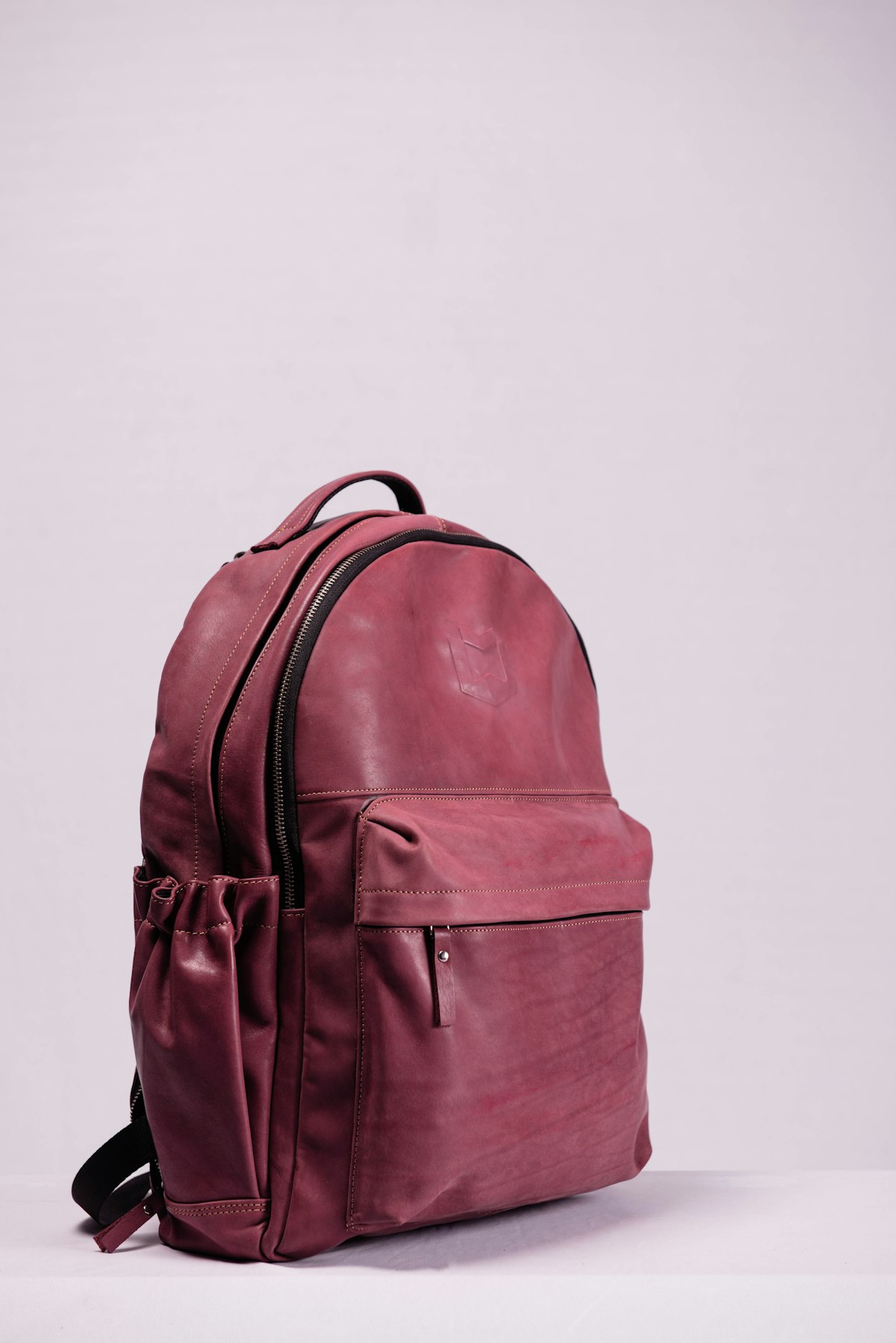
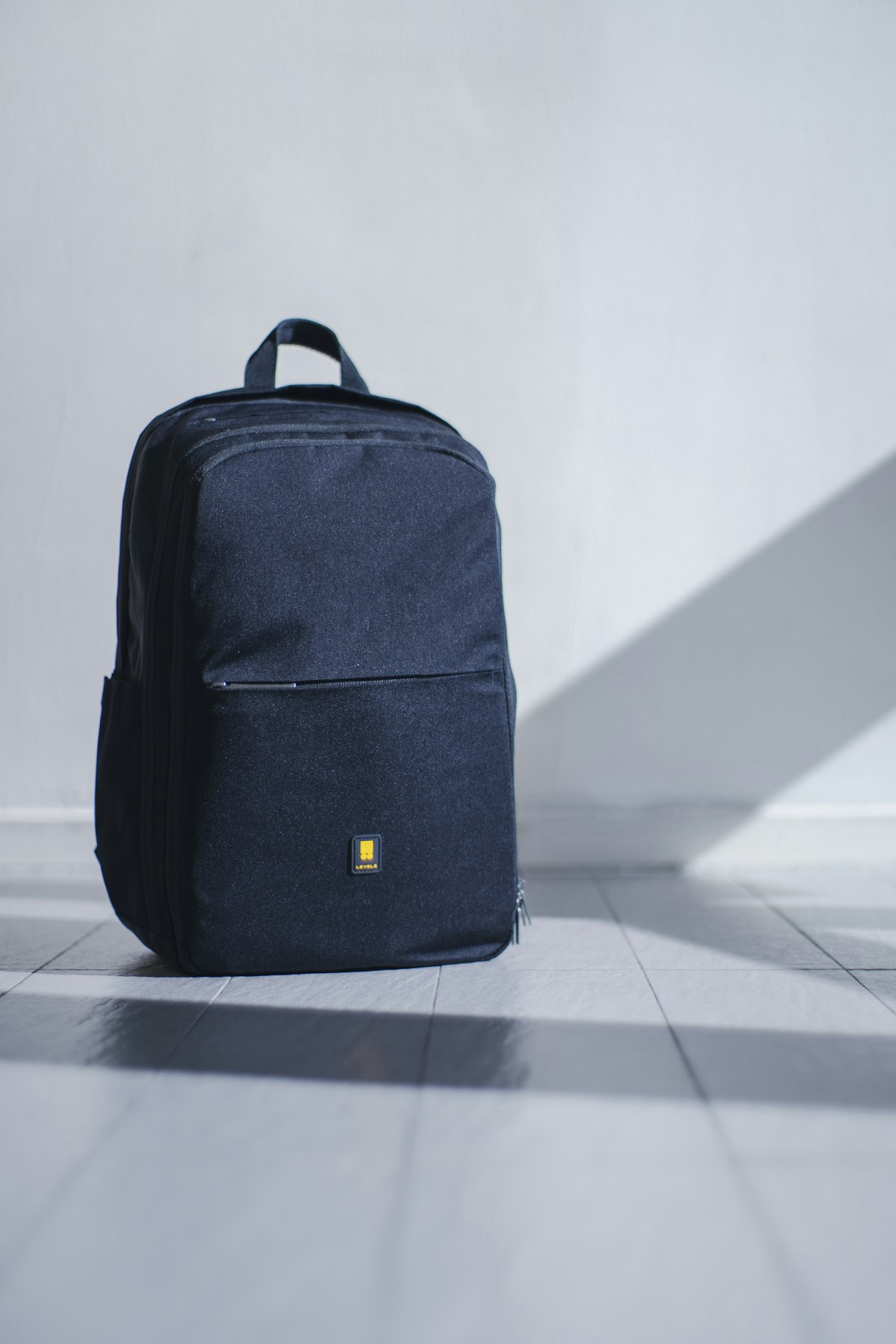
The modern travel pack has evolved. Clamshell openings let you pack it like a suitcase. Lockable zippers give you security in shared accommodation. Separate shoe compartments keep the mud off your clothes. Laptop sleeves meet TSA requirements. The Patagonia Black Hole, the Cotopaxi Allpa, the Peak Design Travel Backpack, and the Osprey Farpoint all handle the format well. Pick by torso length — the hip belt needs to sit on your hip bones, not your waist — and buy from somewhere with a real return policy so you can test the fit with weight in it before committing.
What to look for in a durable bag
The three failure points in order of frequency: wheel mounts, zipper pulls, and telescoping handles. Wheel mounts crack at the housing where the mount attaches to the shell — look for mounts that are recessed and reinforced. Zipper pulls fail when handlers grab them instead of lifting the bag properly — look for YKK zippers with large, sturdy pulls that can take that stress. Telescoping handles bend at the base of the inner tube, where it extends from the housing — look for handles with a solid inner tube and a locking mechanism that doesn't wobble. The shell itself — polycarbonate or nylon — almost never fails first. The hardware fails first. Buy based on hardware quality, not shell aesthetics.
- 40L — the carry-on cap that fits two weeks, one bag, for most destinations.
- 23 kg — the standard checked-bag weight allowance. Weigh before you leave.
- 1 in 50 — checked bags delayed or lost per trip. Your carry-on never misses the connection.
- €50 — the Ryanair gate-check fee if your bag doesn't fit the cage. Know the cage.
- 9.3 / 10 — reader satisfaction score after completing the full luggage chapter sequence.
Chapter III — Which bag is right for you?
Four questions. Four answers. The recommendation updates as you go. Change your mind whenever — there is no submit button.
- Your trips are typically… Weekend 2–4 days · One week · Two weeks · A month or more.
- Ground you'll cover: Airports and hotels only · Mix of pavement and cobblestone · Rough terrain and stairs · Hostels and overland.
- Airlines you fly most: US majors · European low-cost · Mix of both · Long-haul international.
- Checking a bag is… Fine, I always check · Only if I must · Never — I carry on · Depends on the trip.
Chapter IV — The reading list for luggage decisions.
Six pieces from the packing desk. One personal essay from Zoe. All worth reading before you buy a bag or pack for your next trip.
- How to Choose the Right Carry-On for Your Travel Style. Method, 9 min.
- The One-Bag System — Two Weeks, Forty Liters, Done. One Bag, 12 min.
- Budget Airline Bag Rules — Every Cage Size, Every Fee. Budget Air, 7 min.
- What Makes a Travel Bag Last — A Buyer's Framework. Durability, 8 min.
- Spinner vs Roller — The Ground Truth. Wheels, 6 min.
- The Bag That Broke on Day Three. By Zoe, personal essay, 9 min.
Airline carry-on rules and customs allowances change. Before you travel, verify size limits and any restricted or prohibited items with your airline and your destination's customs authority. This page reflects general guidelines — the carrier's current published policy is the only one that counts at the gate.
Chapter V — Frequently — but quietly — asked.
- Should I get a hard-shell or soft-shell carry-on?
- Depends on what you're protecting and which airlines you fly. Hard shells absorb impact better for fragile items — electronics, glass gifts — and hold their shape under baggage handler abuse. Soft shells weigh 1 to 1.5 kg less empty, compress slightly when overhead space is tight, and often fit when a hard case won't. If you fly budget carriers in Europe that enforce a strict size maximum with a metal gate-cage, a slim soft-shell is far more forgiving. If you fly US majors and carry nothing fragile, either works equally well.
- What are the actual carry-on size limits by airline?
- US standard (Delta, United, American): 22 × 14 × 9 inches. Ryanair: 55 × 40 × 20 cm — enforced at the gate with a metal cage and a €50 fee if you don't fit. Wizz Air: 55 × 40 × 23 cm for priority boarding only; 45 × 36 × 20 cm for free carry-on. EasyJet: 56 × 45 × 25 cm. Always check the specific carrier before you travel — size limits vary and the enforcement varies even more significantly.
- How do I avoid overweight checked bag fees?
- Weigh the bag at home on a luggage scale before you leave — a $15 scale saves the first fee on the first use. Pack a folded tote inside your checked bag; if you're over limit at check-in, redistribute heavy items into it and carry it on as your personal item. Remove shoes, jacket, and anything heavy and wear it through check-in if you're on the margin. The standard limit is 23 kg; above that you're in excess fee territory that escalates steeply depending on the carrier.
- Are four-wheel spinners better than two-wheel rollers?
- Spinners are better in smooth environments: airport terminals, hotel lobbies, hardwood floors. Two-wheel pulls are better everywhere else: cobblestone streets, train platforms, uneven pavement. The spinner wheel mount cracks under side stress that cobblestone applies. If you travel through international cities and historic areas, a two-wheel pull survives longer and handles better. If you own one bag: buy the two-wheel pull.
- What is the one-bag philosophy and is it realistic?
- One carry-on bag, 40 to 45 liters, no checked luggage, for any trip. Realistic for: solo travelers, trips of 7–14 days, anyone willing to do laundry once mid-trip, trips without specialized gear. Less realistic for: beach trips with bulky gear, trips over 3 weeks in multiple climates, family travel with small children, and anyone carrying instruments or professional photography equipment. The discipline of fitting into a carry-on forces better packing decisions — and most people who try it once don't go back.
- When should I use a travel backpack instead of a roller?
- Use a backpack when you'll navigate cobblestone streets, stairs without escalators, train platforms without ramps, hostel hallways, or any outdoor or multi-terrain environment. Use a roller when your trip is mostly airports, hotels, and flat urban pavement. The test: if you'd carry the roller for more than 10 minutes of your average transit day, a backpack with a hip belt is easier on your body and faster on the ground.
- Are expandable bags worth buying?
- Almost never. The expandable gusset tempts you to bring more, which means you either pay to gate-check on the outbound leg or overpack the return with purchases. The bag that fits your carry-on allowance going rarely fits it coming back after you add a week of souvenirs and gifts. The exception: a soft-shell bag with a zip-out panel for a long trip where you know both the outbound and return legs will be checked. For carry-on-only travelers, expandable bags are a liability, not a feature.
The right shell. Pack the rest.
The bag decision is made. The shell is right. What goes inside it is the next chapter — the system, the wardrobe, the carry-on essentials, and the edit pass that drops 4 kg before you've packed a shirt. All at the Pack desk.