THE PACKING DESK · CHAPTER III · 10 GUIDES
Climate & Wardrobe — layers do the work.
What to wear, what to bring, and how the right wardrobe fits two weeks and three climates into a single carry-on. The three-layer system. The 5-4-3-2-1 capsule formula. Two pairs of shoes — never three.
- 10 guides — Wardrobe chapters from layering basics to dress codes
- 5-4-3-2-1 — The capsule formula that yields 12–15 outfits from 14 pieces
- 2 pairs of shoes — The rule that holds for 90% of trips
- −5°C to 25°C — The temperature range the three-layer system handles without a checked bag
The ten wardrobe guides.
Each card covers a distinct aspect of climate-aware dressing — from the foundational three-layer system to context-specific advice on religious sites, hot-and-humid destinations, and shoulder-season travel. Toiletries and carry-on contents live in separate chapters.
-
01 · The Three-Layer System — Base, Mid, Shell
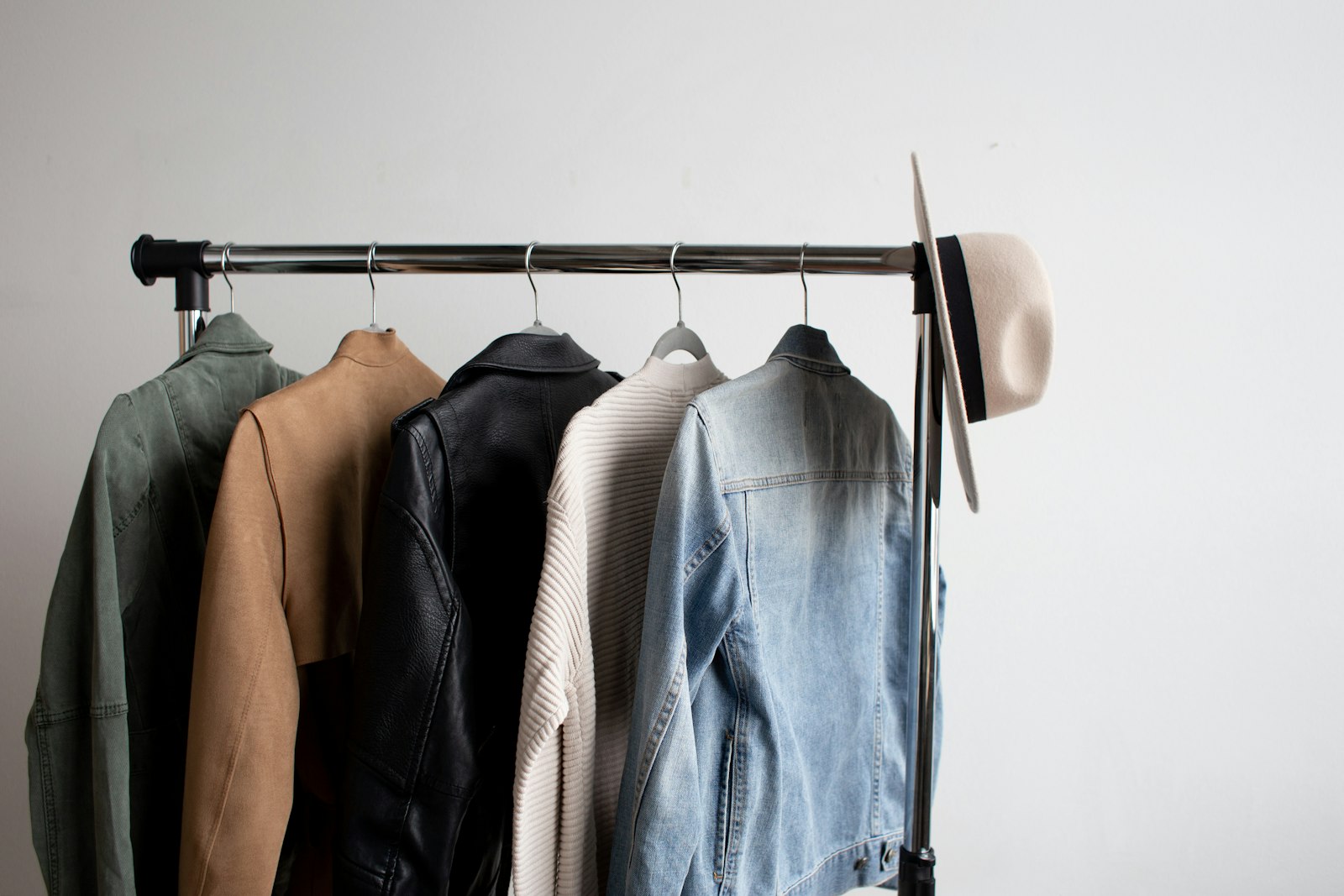
A merino base layer, a fleece mid-layer, and a packable rain shell handle anywhere from −5°C to 25°C. Add one warm hat and thin gloves and you have handled 0°C wind without packing a parka. The bulk goes on your body for the cold leg of the trip — wear it on the plane, then it is not in the bag. Merino dries fast, does not hold smell, and weighs nothing — the closest thing to a miracle fabric in clothing. 11 guides inside.
-
02 · 5-4-3-2-1 — The Capsule Formula
Five tops, four bottoms, three layers, two pairs of shoes, one jacket. The mix-and-match math yields 12 to 15 distinct outfits from 14 pieces — enough for two weeks with one mid-trip wash. The formula forces edit discipline: each piece must work with at least three others in the set. If it does not, it does not earn its space. The whole capsule lives in one packing cube and weighs about 4 to 5 kg. 8 guides inside.
-
03 · Two Pairs of Shoes, Never Three
One walking shoe, broken in six weeks before the trip. One smart shoe for dinner without thinking about it. The third pair is the one you bring just in case and never wear. By volume, shoes take more bag space than any single garment. If you are going to a wedding, bring three. Otherwise: two. The rule holds across 90% of trips. 5 guides inside.
-
04 · One Bag, Three Weather Zones — No Parallel Wardrobes
Visiting Reykjavík and Lisbon in the same trip? Pack one layered wardrobe, not two. Merino base under fleece under shell. Strip layers in Lisbon, add them in Reykjavík. Same bag, two climates, no compromise. The mistake people make on multi-climate trips is packing two parallel sets — one for each climate — and ending up with a bag that has neither version's full kit. 7 guides inside.
-
05 · Cold Weather Without a Checked Bag
The trick is your body. Wear the heaviest layer — the parka, the boots — on the plane. Once airborne, it is not in the bag anymore. A down jacket that compresses to a 1L stuff sack, a merino mid, a shell, and the capsule underneath gets you to −10°C and home on carry-on. The weight that would have broken your bag allowance is on your back for four hours and then in the overhead bin. 6 guides inside.
-
06 · Linen, Technical, and Why Cotton Fails in the Heat
Cotton absorbs moisture and holds it. In humid heat, a cotton shirt becomes damp within the first hour and takes 24 to 36 hours to dry fully. Linen absorbs about 20 percent less than cotton and dries in under two hours. Technical fabrics — nylon-blend, polyester-modal — wick fast and look fine at dinner. The fabric choice determines whether you arrive composed or damp. 9 guides inside.
-
07 · Shoulder Season and the Rainy Layering Stack
April in Paris. October in Japan. The weather changes three times before noon. A light merino, a packable down, and a waterproof shell — not water-resistant, actually waterproof — handle everything. The umbrella stays in the room. The shoulder-season stack is the same as the three-layer system, but calibrated for in-between months where temperature swings 12°C between morning and evening. 6 guides inside.
-
08 · The Four-Season Lyon Wardrobe — Zoe Marchetti · Contributor
ZOE · CONTRIBUTOR — Zoe Marchetti has lived out of the same twelve-piece wardrobe across Lyon's four seasons for eleven months. A merino base, one linen blazer, the dress she wears for everything, two pairs of shoes. She has not checked a bag since February. This is the column she writes from the Lyon apartment — how the wardrobe evolved, what she added, what she removed, and the dress that has been to three countries in one week. Amber/gold badge: UGC contributor content.
-
09 · Merino Wool and Why It's the Closest Thing to a Miracle
Regulates temperature from 5°C to 25°C. Dries in under three hours. Does not smell for three to four wears. Comes out of a compression cube looking like you folded it. It costs more than cotton. It earns every cent, especially when you are washing once mid-trip in a hotel sink and wearing the same shirt in three different climates across fourteen days. 8 guides inside.
-
10 · Modest Dress, Religious Sites, and Stretch Formalwear
Religious sites, conservative cultures, beach weddings, and that one business dinner in Singapore. The answer is one convertible piece and one pair of trousers that travel without creasing. The blazer that looks like a blazer and not like something you packed just in case. What to bring, what to leave, and how to read the dress code before you arrive. 7 guides inside.


Field notes on packing light.
From the Pack Desk — the principles that hold across every climate, trip length, and style of travel.
"The wardrobe is not what you own. It's the edit you make before the bag closes." — Iris Mendoza, Senior Editor, Pack Desk.
Most packing advice is a list. Lists are useful at the end of the process — when you're checking off what you've already decided to bring. They're useless at the beginning, which is where the real decisions happen.
The real decisions are about system, not selection. Once you understand the three-layer logic, the 5-4-3-2-1 capsule, and why two pairs of shoes almost always suffice, the list writes itself. You're no longer asking "should I bring this?" — you're asking "which version of this slot does this item fill?"
The most common packing mistake isn't forgetting something. It's bringing two things that occupy the same slot. Two walking shoes. Two light jackets that do the same job. Four tops when two would mix to the same twelve outfits. The edit is harder than the list — but it's the only thing that makes carry-on feasible for two weeks.
The wardrobe question is settled before the bag opens. That's where this desk works.
- 5-4-3-2-1 — The formula for a two-week wardrobe in one carry-on
- 2 pairs of shoes — The rule that holds for 90% of trips
- 4–5 kg — Total capsule weight including all three layers
- −30% — Average weight saved by readers who run the edit pass before packing
Four climate zones, four layer stacks.
The three-layer system is the same for every climate — what changes is the weight and material of each layer. Select your zone to see the recommended combination.
Cold & Dry — Below 5°C
Base: Merino heavyweight base layer. Mid: Fleece or down mid-layer. Shell: Waterproof hard shell. Shoes: Insulated boots plus a light sneaker for indoor wear. Extras: Thin gloves, merino hat. The parka goes on the body for the plane — it is not in the bag. Read more: Cold Weather Without a Checked Bag.
Cool & Shoulder — 5°C to 15°C
Base: Merino lightweight base. Mid: Fleece or packable down. Shell: Packable rain shell — genuinely waterproof, not water-resistant. Shoes: Walking shoe plus a loafer or smart shoe. Extras: A scarf that doubles as a plane blanket. Read more: Shoulder Season and the Rainy Layering Stack.
Temperate — 15°C to 24°C
Base: Merino lightweight tee or tank. Mid: Linen layer or light fleece for evenings. Shell: Packable wind shell for unexpected rain. Shoes: Walking shoe plus smart shoe — the classic two-pair rule. Extras: Carry one layer on the plane regardless; airports and cabins run cold. Read more: 5-4-3-2-1: The Capsule Formula.
Hot & Humid — Above 24°C
Base: Linen or technical wicking tee. Mid: None needed on most days — skip it. Shell: Ultralight packable rain shell for afternoon storms common in tropical climates. Shoes: Breathable walking shoe plus a sandal. Extras: Double up on wicking tops; quick-dry bottoms over denim every time. Cotton stays home. Read more: Linen, Technical, and Why Cotton Fails.
The reading list, by wardrobe topic.
Six essays from the Pack Desk. Pick the challenge you are solving — the rest is bedside reading before the trip.
- The Case for Merino: Why the Premium Pays Off on the Road. Fabric, 8 min read.
- How to Pack Two Temperature Zones Without Two Wardrobes. Method, 9 min read.
- The Edit Pass: How to Remove a Third of What You've Laid Out. System, 6 min read.
- Modest Dress on the Road: What to Bring, What to Leave. Context, 7 min read.
- Why the Third Pair of Shoes Is Almost Always a Mistake. Footwear, 5 min read.
- Shoulder Season Packing: The Stack That Handles Everything. Seasonal, 6 min read.
Frequently — but quietly — asked.
- What is the three-layer system and do I need all three layers?
- Base layer wicks moisture away from skin. Mid layer traps heat. Shell blocks wind and rain. You only deploy all three in genuinely cold or wet conditions — in most trips you will use two of the three most days and all three for one or two days. The value is that they combine and separate, so one wardrobe handles a wide temperature range without packing duplicate clothing.
- What is the 5-4-3-2-1 capsule and why does it work?
- Five tops, four bottoms, three layers, two pairs of shoes, one jacket. The mix-and-match math yields 12 to 15 distinct outfits from 14 pieces — enough for two weeks with one mid-trip wash. The formula forces edit discipline before you pack: each piece must work with at least three others in the set. If it does not, it does not earn its space.
- Why does cotton fail in hot and humid climates?
- Cotton absorbs moisture and holds it. In humid heat, a cotton shirt becomes damp within the first hour and takes 24 to 36 hours to dry fully. Linen absorbs about 20 percent less than cotton and dries in under two hours. Technical fabrics wick and dry in 45 to 90 minutes. The fabric choice determines whether you arrive at dinner composed or damp.
- How do I pack for a multi-climate trip without doubling my wardrobe?
- Layer, do not duplicate. A merino base, a fleece mid, and a packable shell cover anywhere from −5°C to 25°C. Wear the heaviest piece on the plane — it is not in the bag then. Strip layers in the warm leg, add them in the cold leg. The mistake is packing two parallel sets and ending up with a bag that has neither set fully covered.
- What is the one dress code item I should always pack?
- A pair of tailored, non-wrinkle trousers in a neutral — navy, stone, charcoal. They handle a religious site, a business dinner, a beach wedding depending on the cut, and 90 percent of situations where denim or shorts will not do. Add a linen or cotton-blend button-down that packs flat and you have covered almost every context you will face.
- Are merino wool clothes really worth the price premium over synthetics?
- For travel, yes — more than for any other use case. Merino's case rests on three things synthetics do not match: odor resistance for genuinely four wears versus two for polyester, temperature regulation across a wide range from 5°C to 25°C in a single weight, and the way it compresses and recovers without permanent crease. If you wear it on three-quarters of your travel days, the cost-per-wear beats a cheaper alternative within one trip.
- When is it acceptable to bring a third pair of shoes?
- When you know exactly which occasion requires them and that occasion is definitely on this trip. A destination wedding: bring formal shoes. An organized trek that requires specific boots and your hotel situation requires clean shoes at dinner: bring three. In every other case, the third pair is the one you bring just in case and never wear — it takes more bag volume than any single garment.
Fabric selection, by trip temperature.
The fabric decision is the single most impactful choice in the entire wardrobe — more so than the cut, the color, or the brand. Here is how the Pack Desk rates the core travel fabrics across the four climate zones.
Merino Wool — The All-Rounder
Temperature range: 5°C to 25°C in a lightweight knit. Does not hold odor for three to four wears. Dries in two to three hours after a hotel-sink wash. Compresses without permanent crease. Most expensive of the four fabric categories. Earns the cost on trips of five days or longer where you are wearing and re-wearing. Icebreaker, Smartwool, Uniqlo Merino, Allbirds all make travel-ready versions.
Linen — The Hot-Climate Standard
Natural fiber. Absorbs 20 percent less moisture than cotton. Dries in 60 to 90 minutes in humidity. Wrinkles freely — this is the accepted aesthetic, not a flaw, in most warm-climate contexts. One linen shirt in a neutral does three climates: beach town, city evening, casual lunch. Does not insulate; leave it home for trips that dip below 15°C.
Technical Synthetics — The Workhorse
Nylon-modal and polyester-linen blends wick faster than any natural fiber. Dry in 45 minutes. Look professional enough for most business-casual contexts. Lack the odor resistance of merino — expect two wears maximum between washes. Best used for the high-activity leg of a trip: trekking days, full-day city walks, transit days in heat.
Cotton — Leave Most of It Home
The familiar fabric that works at home because home has a dryer. On the road, cotton is a liability. Absorbs moisture readily, holds it for 24 to 36 hours in humidity. Heavy when wet. Does not insulate when damp. One cotton item is fine — usually a preferred tee or a structured piece that is genuinely difficult to replace in a technical fabric. Beyond one, the trade-offs do not justify the weight and dry time.
Layers do the work. The bag stays carry-on.
Pick the climate zone. Learn the three-layer system. Pack the 5-4-3-2-1 capsule. Two weeks, one carry-on, nothing you will not wear.
Start with the three layers · Back to Pack · Home
Airline and customs regulations change. Before you travel, always verify restricted and prohibited items with your airline and your destination country's customs authority. We keep our guidance generic for this reason.