THE PACKING DESK · CARRY-ON · 10 CHAPTERS
Carry-On Packing — the bag you keep at your seat.
Pack the carry-on like you'll be separated from the checked bag for 48 hours — because one in fifty trips, you will be. Ten chapters covering documents, medications, the comfort layer, the delayed-bag kit, the personal-item-vs-carry-on boundary, what airlines actually enforce, in-flight entertainment, snack strategy, and the weight tricks that make the carry-on lighter before you start. Electronics and detailed toiletry kits have their own sub-hubs; this chapter links to both.
- 10 chapters — every carry-on decision
- 1 in 50 — trips where a checked bag arrives late
- 48h — the window your delayed-bag kit covers
- 100ml — the number that never changes at security
Chapter I — The ten chapters of carry-on packing.
Every decision a traveler faces from the moment the bag opens to the moment the overhead bin closes — organized into ten chapters with real articles inside each one.
-
01 · Travel Documents — The Full List
Passport, copies of every page, vaccine certificate if required, travel insurance card, hotel address in local language, driver's license and IDP if driving, printed boarding pass. Lose any of these in the overhead bin and the trip changes character immediately. 8 guides, documents and copies.
-
02 · Medications — Original Packaging Only
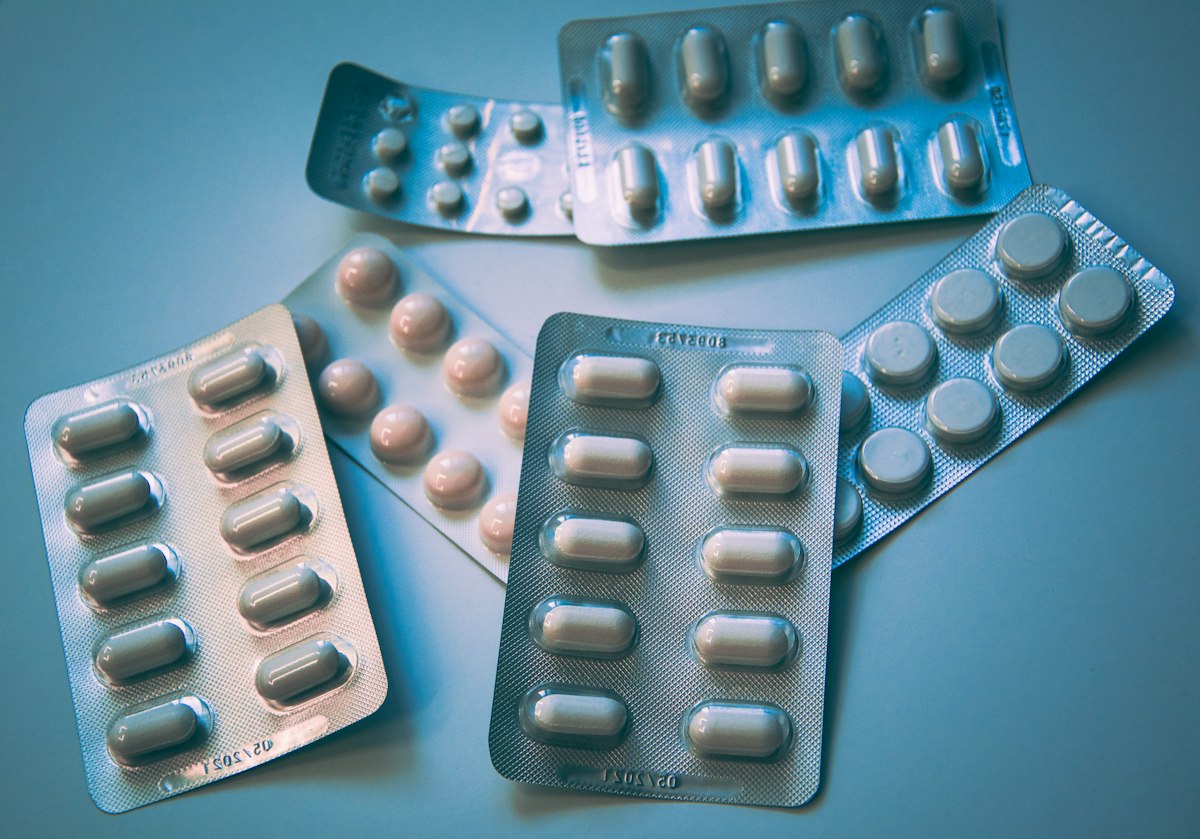
Every prescription in its original labeled bottle. A signed doctor's letter for anything controlled. Two days of every chronic medication in the carry-on — the rest in checked if there is one. Time-zone strategy for insulin and scheduled drugs. Never let any of this touch checked luggage. 6 guides, prescriptions and health.
-
03 · The Comfort Layer
Eye mask, neck pillow, compression socks, refillable water bottle, one real snack. Long-haul flights run cold. Hotels run colder. The eye mask and earplug combination is the difference between landing rested and landing wrecked. Land rested or everything else suffers. 5 guides, comfort and sleep.
-
04 · Electronics & Power
Every lithium battery — power banks, spare camera cells, laptop battery — goes carry-on or it doesn't fly. Cargo hold regulations prohibit lithium cells on most airlines. Phone, charger, universal adapter, 10 000 mAh bank. Full electronics setup strategy lives in the Electronics sub-hub — see it there.
-
05 · The Delayed-Bag Kit
One change of underwear, one t-shirt, toothbrush, travel deodorant, phone charger. That's 48 hours of dignity when your checked bag lands in the wrong city. Most airlines reimburse $50–$100 per day for delayed-bag essentials — file the claim at the baggage office before you leave the airport. 4 guides, delayed bags and claims.
-
06 · Personal Item vs Carry-On
The personal item goes under the seat; the carry-on goes overhead. Every budget carrier enforces this differently — Ryanair, EasyJet, Spirit, and Frontier all measure with a metal cage at the gate. The fee at the gate can be $50–$80 per bag, significantly more than paying in advance. Know your airline's exact dimensions before you pack. 7 guides, airline policies and enforcement.
-
07 · Toiletries & the 100ml Rule
100ml per container, 1-litre clear bag total, one bag per person. Pull this bag before you reach the belt — anyone arguing about size limits at the X-ray machine is the reason the line is slow. Detailed toiletry kit strategy — what to decant vs what to buy on arrival — lives in the Toiletries sub-hub.
-
08 · Book, E-Reader, or Nothing
An e-reader holds 4 000 books and weighs 200 g. A paperback weighs 500 g and you'll read 30 pages. Download the episodes before you board — airline Wi-Fi is expensive and unreliable. One piece of entertainment per leg, intentionally chosen. The best long-haul strategy for some routes is nothing at all. 3 guides, entertainment and downtime.
-
09 · Snack Strategy
One real snack — not a granola bar. Nuts, dark chocolate, a piece of fruit that survives a bag. Airline food timing is unreliable; blood sugar at 35 000 feet is not. Solid food passes security in most countries without restriction. Liquids and gels obey the 100ml rule. 3 guides, food and security.
-
10 · Weight Tricks
Wear the heaviest items on the plane — boots, jacket, fleece. Carry dense items — laptop, power bank, camera body — in the personal item. The overhead bin holds volume; your body carries weight for free and the scale doesn't care what's on your back. The one-bag traveler's oldest trick. 5 guides, one-bag tactics.
-
By Zoe · The Carry-On I've Been Refining for Years
I've packed the same bag into 40-plus countries. I still change one thing every trip. Here's what stayed, what left, and the single item I added last year that I'd now never fly without. Personal essay, 10 min read.





Chapter II — Field notes on the bag you keep.
The patterns that hold across every route, every airline, every type of traveler who has ever arrived at baggage claim and watched the belt go empty.
"Pack the carry-on like you'll be separated from the checked bag for 48 hours. Because one in fifty trips, you will be — and that's the trip the carry-on saves." — Iris Mendoza, Senior Editor, Pack Desk.
The carry-on is not where the bag gets smaller. It's where the bag gets serious. Everything in the checked bag is replaceable — at a pharmacy, at a department store, at the hotel gift shop. Everything in the carry-on is either irreplaceable (the passport, the prescription, the boarding pass) or load-bearing for the journey itself (the medication, the phone charger, the one change of clothes for when the other bag doesn't arrive).
The mistake most travelers make is treating the carry-on as the overflow for whatever didn't fit in the checked bag. The right model is the reverse: pack the carry-on first, as if there is no checked bag. Then fill the checked bag with what remains. When the carry-on is built correctly, a delayed checked bag is a minor inconvenience. When it isn't, a delayed bag is a disaster.
Documents — the irreplaceable tier
Passport, copies of every page, travel insurance card, the hotel address in the local language for when Google Translate fails at the immigration desk, the second debit card, $200 in local currency for the taxi that doesn't take cards. These live in one dedicated pocket of the carry-on that you know without looking. Lose the bag with these and the trip stops. Keep them in the right place and losing the bag is an inconvenience, not a catastrophe.
The printed boarding pass survives a dead phone. The printed hotel address survives a dead data connection. Paper has never needed a charger. The digital versions are fine — until they aren't, which is exactly when you need them most.
Medications — the safety-critical tier
Original packaging. Every time, no exceptions. A doctor's letter for anything controlled. Two days of every chronic medication in the carry-on — not as a backup plan but as the primary plan. If the bag is delayed, you have 48 hours of inventory. If the medication goes in checked and the bag goes to Frankfurt while you're in Rome, you have zero. The checked bag gets the remaining supply as the secondary.
The time-zone strategy matters for insulin, scheduled psychiatric medications, and anything else where timing is medically significant. Work this out with your doctor before the trip, not at 35 000 feet over the Atlantic.
The personal-item boundary — what airlines actually enforce
The rule is simple. The enforcement varies enormously. A full-service airline flying a wide-body on a transatlantic route almost never measures a bag at the gate. Ryanair measures everything, with a metal cage, at every gate, every time. The difference in enforcement is not arbitrary — budget carriers price the base fare low and recoup on ancillary fees. A bag that doesn't fit the cage is $50–$80 at the gate vs $15 if you paid in advance. Know which carrier you're flying and what they actually enforce, not just what the rules say.
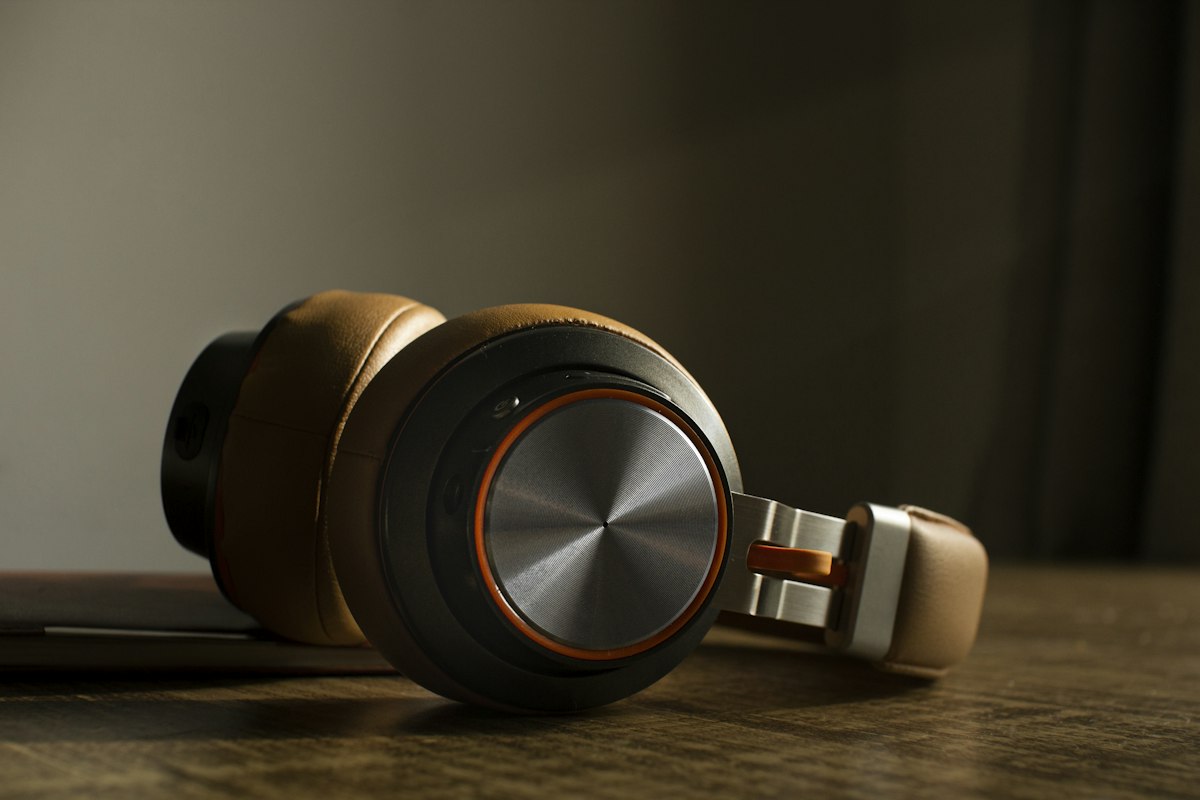
The functional test for the personal item: everything you will reach for during the flight should live there. Laptop, medications, headphones, neck pillow, snack, water bottle. Gate-check the carry-on when the flight is full and you lose nothing critical. That's the correctly built system.
The comfort layer — the most underrated carry-on investment
Long-haul cabins run cold. Always. The airline blanket is thin and shared. An eye mask and earplugs weigh 80 g combined and represent the highest return on weight of any item in the carry-on. Compression socks on a flight over 6 hours are not an old person's accessory — they are basic circulatory hygiene. The refillable water bottle goes through security empty and fills at the fountain airside. Hydration at altitude is not optional; it is physics.
The comfort layer is not luxury. It is the difference between landing functional and spending the first two days at the destination recovering from the journey.
- 1 in 50 — trips where a checked bag arrives late or misrouted.
- 48 hours — the dignity window a correctly built delayed-bag kit covers.
- 100 ml — the liquid container limit that hasn't changed since 2006.
- 9.3 / 10 — reader confidence score after completing the full carry-on sequence.
Chapter III — Where to start?
Four questions. Four answers. The recommendation updates as you go. Change your mind whenever — there is no submit button.
- Your flight is… Under 3 hours · 3–8 hours · Long-haul 8–14h · Ultra-long 14h+.
- You're checking a bag? No — carry-on only · Yes — one checked · Yes — checked and carry-on · Haven't decided.
- Biggest concern is… Comfort on the plane · Documents and meds · Bag size limits · Landing with everything.
- Traveling on… Full-service airline · Budget carrier (EU) · Budget carrier (US) · Multiple airlines.
Chapter IV — The reading list for carry-on packers.
Six pieces from the pack desk. One personal essay from Zoe. All worth a quiet hour before you zip the bag.
- How to Pack Your Carry-On So You Survive the Long-Haul. Method, 10 min.
- The Travel Document Checklist — Nothing Missing at the Gate. Documents, 7 min.
- Personal Item vs Carry-On — What the Airlines Actually Enforce. Strategy, 8 min.
- Flying With Medications — A Complete Guide. Health, 6 min.
- One-Bag Travel — How to Make It Actually Work. Tactics, 9 min.
- The Carry-On I've Been Refining for Years. By Zoe, personal essay, 10 min.
Chapter V — Frequently — but quietly — asked.
- What is the standard carry-on size limit?
- Most major carriers allow 22 × 14 × 9 inches (56 × 36 × 23 cm) for overhead bin carry-ons and 18 × 14 × 8 inches (45 × 35 × 20 cm) for personal items under the seat. Budget carriers — Ryanair, EasyJet, Spirit, Frontier — are stricter and often enforce with a metal sizer at the gate. Check your specific airline's current policy when you book. Size limits have been tightening industry-wide.
- Can I bring a power bank in my carry-on?
- Yes — and it must go in carry-on, not checked luggage. Lithium batteries are prohibited in the cargo hold on most airlines. Power banks up to 100 Wh (roughly 27 000 mAh) are generally permitted in carry-on without restriction. Between 100–160 Wh requires airline approval. Above 160 Wh is typically prohibited. Check the Wh rating on the device, not just the mAh.
- How do I handle prescription medications through security?
- Keep all prescriptions in their original labeled bottles or packaging. A doctor's letter is strongly recommended for controlled substances, injectables, and anything unusual on an X-ray. Liquid medications over 100 ml are allowed in carry-on if medically necessary — declare them separately at screening. Never put medication in checked luggage: if the bag is delayed, you have zero inventory.
- What goes in the personal item versus the carry-on?
- The personal item — under the seat — should hold everything you need during the flight: laptop, headphones, medications, snacks, neck pillow. The carry-on — overhead — holds clothes, the delayed-bag kit, and everything not needed in-flight. This way you can gate-check the carry-on on a full flight without losing access to anything critical.
- Which airlines are strictest about carry-on size?
- Ryanair and Wizz Air are among the strictest in Europe — they actively gate-check bags that don't fit the metal sizer, and the fee at the gate ($50–$80 per bag) is significantly higher than paying in advance. Spirit and Frontier apply similar logic in the US. Full-service carriers are generally more lenient in practice, though rules on paper are similar. Measure your bag before you leave home when flying any budget carrier.
- What is the delayed bag reimbursement process?
- File a Property Irregularity Report (PIR) at the baggage office before you leave the airport — before you exit arrivals. Ask for the report number in writing. Most airlines reimburse $50–$100 per day for essential items. Keep every receipt. The delayed-bag kit in your carry-on buys you 48 hours of dignity regardless of what the airline does next.
- Can I bring food through airport security?
- Solid food — nuts, fruit, sandwiches, chocolate, crackers — passes through security in almost every country without restriction. Liquids and gels — yogurt, nut butter, hummus — must comply with the 100 ml per container / 1-litre bag rule. Duty-free liquids purchased after security in a sealed tamper-evident bag are generally permitted, though this may change on certain connecting flights through specific countries.
- Do I need to put my laptop in a separate bin at security?
- In the US: yes, at most TSA checkpoints. TSA PreCheck or Global Entry lets you skip this step. In the UK and most of the EU rules are similar to TSA standard. Pack your laptop at the top of your personal item — not buried under cables — so you can pull it in under 10 seconds without holding up the line.
Customs and airline rules change. Verify restricted and prohibited items with your airline and with your destination's customs authority before you fly.
The documents go in first. Everything else follows.
Build the carry-on correctly and a delayed checked bag is a minor inconvenience. Build it badly and it's a disaster. Start with the chapter that matches your situation — documents, medications, the comfort layer, or the personal-item boundary.