FOR THE MIND · 21 GUIDES · 4 NEW THIS SEASON
Slow Travel.
Three weeks. One neighborhood. No agenda. The bakery you visit every morning until the person behind the counter knows your order. That is the whole idea. Twenty-one guides on staying long, twelve cities that reward depth, and seven things the desk has learned the hard way about what slow travel actually requires.
- 21 guides on file
- 4 new this season
- 28-day average stay
- Most-read age 32–55
- Updated April 2026
Twelve cities, for a month.
Picked by editors who have actually lived in them, not visited. The criterion is simple: can you stay for three weeks and not want to leave?
-
No. 01 · Lisbon, Portugal
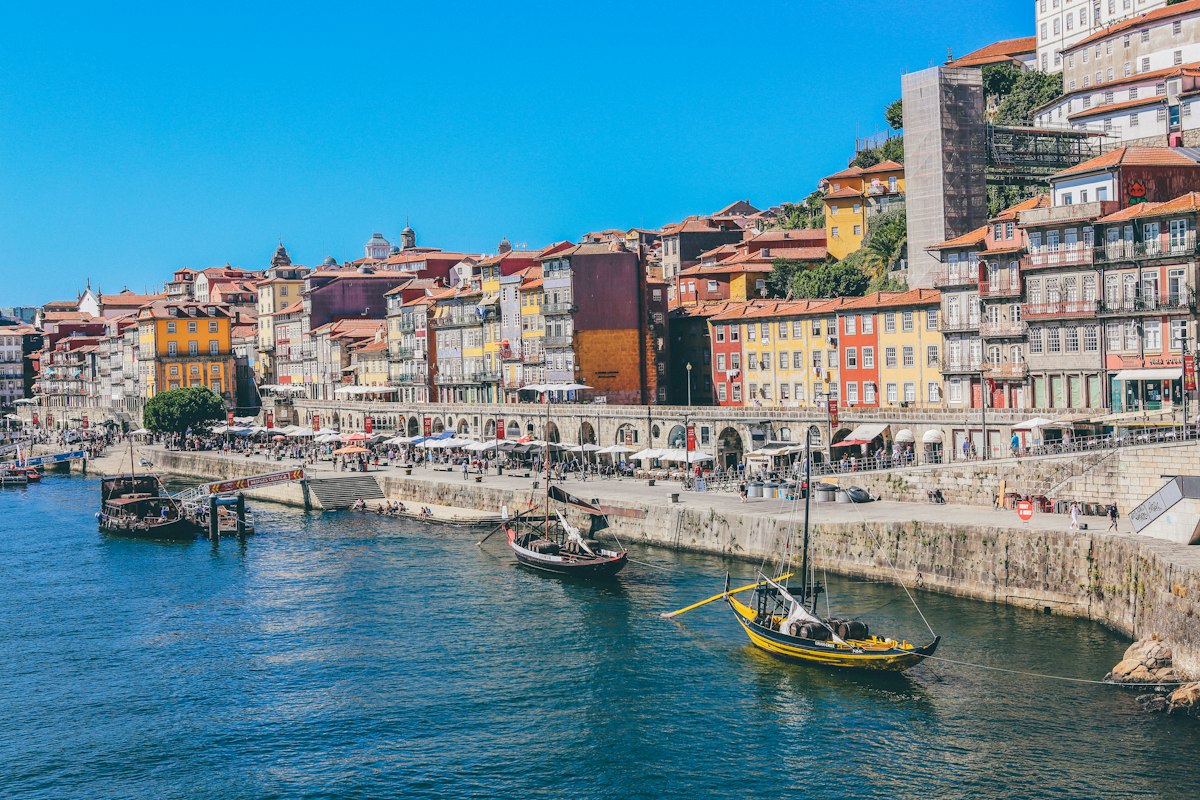
The Alfama at 7 a.m., before the first tram, before the tour groups. Three weeks here and you will have a bakery, a wine shop, a bench. You will have a life, briefly. 21–60 nights, $$, best Sep–Jun. Best for: first slow trip, solo, sabbatical.
-
No. 02 · Mexico City, Mexico
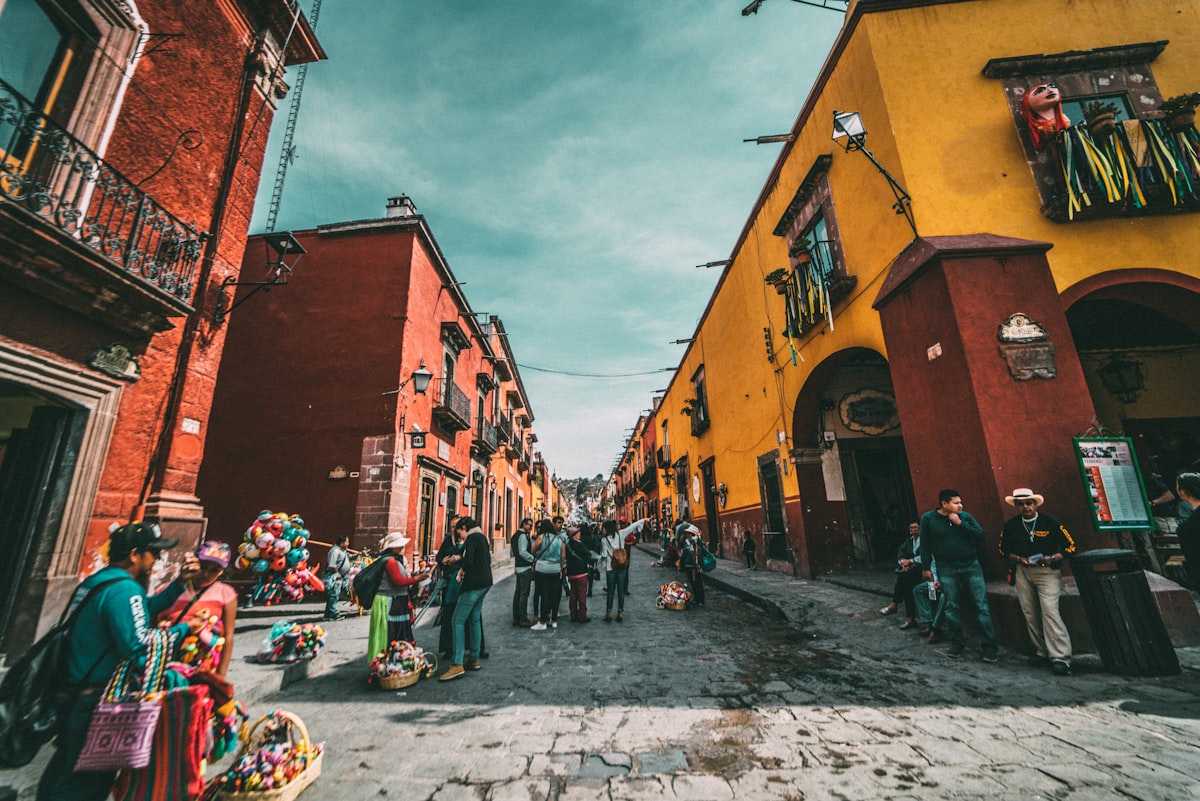
Roma Norte has everything a month-long stay requires: markets, a dry cleaner, morning coffee, afternoon mezcal, evenings worth lingering through. 21–90 nights, $$, best Oct–May. Best for: 1-month stay, working slow, couples.
-
No. 03 · Chiang Mai, Thailand
The canal district has its own rhythm. Rent a bike on day one, find your noodle place by day four. By day fourteen you will stop checking the map. 30–120 nights, $, best Nov–Mar. Best for: 3-month stay, cheap, remote work.
-
No. 04 · Tbilisi, Georgia
Old Town Tbilisi is a neighborhood that still lives like a neighborhood. The bread comes from the same bakery since 1948. So does the wine. 21–60 nights, $, best Apr–Jun and Sep–Nov. Best for: slow solo, cheap, off the trail.
-
No. 05 · Oaxaca, Mexico
The colonial grid makes walking the entire logic of the day. A cooking class, a market morning, the zócalo at dusk. You will eat better here than almost anywhere on this list. 14–60 nights, $$, best Oct–May. Best for: first slow trip, food, couples.
-
No. 06 · Lecce, Italy
The Baroque heart of the Salento. Four churches visible from the apartment you will rent. A market on Saturday. The light in September is unlike anything in Western Europe. 14–28 nights, $$, best Apr–Jun and Sep–Oct. Best for: sabbatical, couples, short slow.
-
No. 07 · Hoi An, Vietnam
The ancient town closes to motorbikes after dark. You walk. A canal, lanterns, the same pho spot every morning. The town teaches you its pace without asking. 14–30 nights, $, best Feb–Jul. Best for: first slow trip, cheap, couples.
-
No. 08 · Granada, Spain
The Albaicín quarter is all narrow stone lanes and whitewash. Mornings on the mirador with the Alhambra across the valley. Free tapas with every drink. It spoils you. 14–30 nights, $$, best Mar–Jun and Sep–Oct. Best for: sabbatical, couples, food.
-
No. 09 · Medellín, Colombia
Eternal spring means no weather planning. El Poblado and Laureles have the full long-stay infrastructure: good apartments, fast internet, morning coffee culture. 21–90 nights, $, year-round. Best for: 3-month stay, remote work, sabbatical.
-
No. 10 · Zagreb, Croatia
A city people plan to visit for two days and end up staying a month. The Upper Town is genuinely small-city quiet. The market at Dolac opens at six. 14–30 nights, $$, best Apr–Jun and Sep–Oct. Best for: slow solo, underrated, short slow.
-
No. 11 · Tarifa, Spain
Europe's southernmost town, Africa visible across the water. The old medina runs on its own clock. A month here feels like recovering something you forgot you needed. 14–21 nights, $$, best May–Sep. Best for: slow solo, couples, short slow.
-
No. 12 · Alfama, Lisbon (neighborhood guide)
The oldest quarter in Lisbon, older than the earthquake. Fado from the bar at the bottom of the steps. A miradouro where everyone brings their own wine and watches the Tagus go dark. 21–60 nights, $$, best Sep–Jun. Best for: long stay, sabbatical, solo.






Six ways to slow.
Slow travel is not one thing. A first two-week trip and a six-month sabbatical require different cities, different apartments, different mental preparation. Pick the lane that fits.
- I · I First Slow Trip — Two weeks, no agenda. Your first slow trip does not need to be three months. Two weeks in one city — no itinerary, one apartment, see what you find. Lisbon, Oaxaca, Chiang Mai. 6 guides.
- II · 1-Month Stay — Long enough to matter. Four weeks is when the rhythm clicks. You know the market days, the good baker, the shortcut. This is the entry point to real slow travel. 7 guides.
- III · 3-Month Stay — A season, not a trip. Three months changes you. You pick up vocabulary, lose the urgency, understand what the city is actually like when it is not performing for tourists. 4 guides.
- IV · The Sabbatical — Six months or more. One city, or two. A real break from the calendar. We write this one carefully — there are logistics here that most slow-travel content ignores. 3 guides.
- V · Slow With Family — Slower with kids. Slow travel is, in some ways, easier with children — routines help everyone. The apartment, the neighborhood park, the bakery the kids learn to order at themselves. 4 guides.
- VI · Slow Solo — You and one city. Going slow alone is not lonely. It is the most honest version of the experiment — no one else's pace to negotiate, no one else's boredom to manage. 5 guides.
Eight itineraries to copy.
Day-by-day plans built and lived by the desk. These are not two-week highlights tours — they are structured long stays, with a pace that holds over weeks, not days.
- SLW-041 · Oaxaca, two weeks, one kitchen. 14 days, by Clara, $1,100. Tags: first slow trip, food, solo.
- SLW-057 · Lisbon, slowly, Alfama first. 21 days, by Pita, €1,480. Tags: 21-day, sabbatical, solo.
- SLW-066 · Mexico City, a full month in Roma. 28 days, by Nadia, $1,650. Tags: 1-month stay, working slow.
- SLW-029 · Chiang Mai, two seasons. 60 days, by Marc, $2,200. Tags: 3-month stay, cheap, remote.
- SLW-074 · Lecce and the Salento, September. 14 days, by Clara, €1,820. Tags: couples, short slow, Italy.
- SLW-048 · Tbilisi, three weeks in the Old Town. 21 days, by Pita, $860. Tags: cheap, solo, off the trail.
- SLW-083 · Medellín, the sabbatical city. 28 days, by Nadia, $1,480. Tags: sabbatical, remote work, couples.
- SLW-062 · Granada, Spain, below the Alhambra. 21 days, by Marc, €1,340. Tags: couples, food, short slow.
By the stay length.
How long do you have? The right city changes at two weeks versus two months.
- Two weeks · 14 days. 5 guides. Oaxaca · Lecce · Hoi An · Zagreb · Tarifa. From $900.
- Three weeks · 21 days. 7 guides. Lisbon · Tbilisi · Granada · Chiang Mai start. From $1,200.
- One month · 28–31 days. 6 guides. Mexico City · Medellín · Chiang Mai · Lisbon. From $1,480.
- Three months+ · 90+ days. 3 guides. Chiang Mai · Mexico City · Medellín. From $3,200.
The brief. Seven things that actually matter.
The non-obvious parts of staying somewhere for a month. We learned most of these by doing them wrong first.
- Apartment tip — Negotiate the third week for free. Most short-term apartment hosts will discount a 21-day or 30-day stay by 20–30% versus a week-by-week rate. Book through direct contact after the first listing inquiry, not through the platform's instant book. The platform takes a cut; the host prefers direct for longer stays.
- Rhythm tip — Establish one fixed thing by day three. The morning coffee place, the market run, the evening walk. One routine anchors everything else. Without it, slow travel slides into long-stay tourism, which is different and usually less satisfying. You are trying to briefly inhabit a place, not visit it indefinitely.
- Internet tip — Test the apartment's connection before you arrive. Ask the host to run a speed test and screenshot it. A bad connection in a slow-travel city is not charming. It is a workday problem and a planning problem and a frustration that compounds over weeks.
- Money tip — Open a fee-free travel card immediately. ATM fees over sixty days add up to a real number. Wise, Revolut, or Charles Schwab (US) waive international fees entirely. Two minutes of setup saves more than you think.
- Belonging tip — Introduce yourself as living here, not visiting. The word matters. It changes how shopkeepers, neighbors, and other residents respond to you. You are not asking for tourist patience. You are asking for neighbor normalcy. Most people respond to it warmly.
- Exit tip — Book the return flight late, not early. Booking the return flight before you leave gives you an artificial deadline that shapes every week before it. Many experienced slow travelers book the outbound only, then decide on the return once they are there. Flexibility costs a little more. It is usually worth it.
- Mind tip — The wall is around day seven. It passes. Almost everyone hits a stretch of low-grade doubt around day five to nine. The city does not feel special anymore, nothing is organized, it seems like a mistake. It is not a mistake. It is the moment the tourism lens falls away. Wait it out. Day twelve almost always looks different.
The reading list. Eight essays from the desk.
The pieces that sit one click below this page. The first and sixth are the most honest.
- Editorial · What you actually do on day 19 of slow travel. By Clara, 12 min read.
- Method · How to find an apartment you want to live in. By Nadia, 9 min read.
- Money · What a month of slow travel actually costs, city by city. By Marc, 10 min read.
- Logistics · The slow travel packing list. Everything else stays home. By Pita, 8 min read.
- Work · Working while you're there: what actually holds. By Clara, 11 min read.
- Mind · The boredom question. And why it matters. By Nadia, 13 min read.
- Family · Slow travel with kids: the honest brief. By Marc, 9 min read.
- Visa · 90-day limits, Schengen, and how people manage them. By Pita, 7 min read.
The Slow desk. Four editors, 52 long stays.
This beat is personal. These are the people writing it — where they have lived, and what they keep coming back to.
- Clara Henning · Senior Editor, Slow Travel Desk · 9 long stays, 14 countries. "I've never once regretted staying longer. I've regretted leaving early about fifteen times."
- Pita Havili · Field correspondent, Pacific and Asia · 6 long stays. "Slow travel taught me that I had been mistaking movement for experience."
- Nadia Ferreira · Field correspondent, Latin America · 11 long stays. "Mexico City for a month changed what I thought I wanted from travel. I stopped planning so many trips and started planning fewer, longer ones."
- Marc Delacour · Field correspondent, Europe · 8 long stays. "The apartment in Tbilisi where I stayed for six weeks still feels more mine than places I've lived in for years."
The questions we get a lot.
- Doesn't slow travel just get boring?
- Day 19 is the honest answer to that question. By day 19 you've stopped performing tourism — you're just living somewhere. The café you found on day three is now yours. You have a walking route. The boredom of day seven, which is real, has become the quiet of day nineteen, which is not the same thing. The people who leave on day seven always say it was getting boring. The people who stay past day twelve almost never leave early.
- How do you handle a 90-day Schengen visa limit?
- The Schengen Zone gives you 90 days in any 180-day period. For a two or three-month slow trip inside the zone, that's usually sufficient. For longer stays in Spain, Italy, or Portugal, look at the national long-stay D visas — Portugal's NHR scheme has effectively expired, but straightforward residency visa routes remain open at most Schengen consulates for stays of six months to a year. Mexico, Georgia, Colombia, and Vietnam have separate rules and are generally easier for extended stays — see our visa guide.
- How do you keep the mortgage or rent running while you're away?
- Three approaches work: subletting your place (check your lease or HOA), pausing discretionary bills and keeping only the fixed ones running by auto-pay, or using remote-accessible banking so you manage everything from wherever you are. Most people find their at-home costs drop significantly when they're not there. We wrote a detailed logistics guide for this — linked in the reading list above.
- What about work? Can you actually do it?
- If your job is laptop-portable, yes. Most knowledge workers on slow trips work 6-7 hours a day (versus 9 in an office), do better work, and report higher satisfaction. The key is choosing a city with reliable internet infrastructure — our city profiles list actual speeds — and treating your work hours as fixed. The risk is not getting distracted, but working too much because you're good at it and the city is right outside.
- When is it time to come home?
- When you want to, not when the calendar says you should. The calendar question usually resolves itself by around day sixty: you know by then whether you want to stay or go. Some people realize they've been constructing a home, and going back to dismantle it feels right. Others realize they haven't missed it the way they expected, which is its own answer. We've found that people who leave early usually have a reason that existed before they left.
- Is one apartment enough for a three-month trip?
- Almost always, for the first slow trip. The reflex to move from city to city is a sprint-travel habit. Slow travel rewards depth: you understand what a neighborhood is actually like, you find the shops that locals use, you notice what changes week to week. If three months feels too long in one city, consider splitting between two — but two maximum. Three cities in three months is just three short trips.
Stay long enough to become a regular.
Open the shortlist, pick a stay length, read the brief. The planning fits on one page. The trip takes weeks.