FOR THE BODY · 29 GUIDES · 5 NEW THIS SEASON
Adventure Travel.
When the trip is the activity. Trekking, diving, climbing — the routes where the gear list is long, the elevation profile is not decorative, and "comfortable" was never on the table. Twelve destinations, eight itineraries, six disciplines, and the practical brief the desk has accumulated across 125 expeditions.
- 29 guides on file
- 5 new this season
- 12-day average trip length
- Most-read age 26–42
- Updated April 2026
Twelve destinations, field-tested.
Picked by editors who have done the routes — not because they're scenic, but because the terrain, the operators, and the access make for a trip that holds up when the weather turns.
-
No. 01 · El Chaltén, Argentina — Patagonia
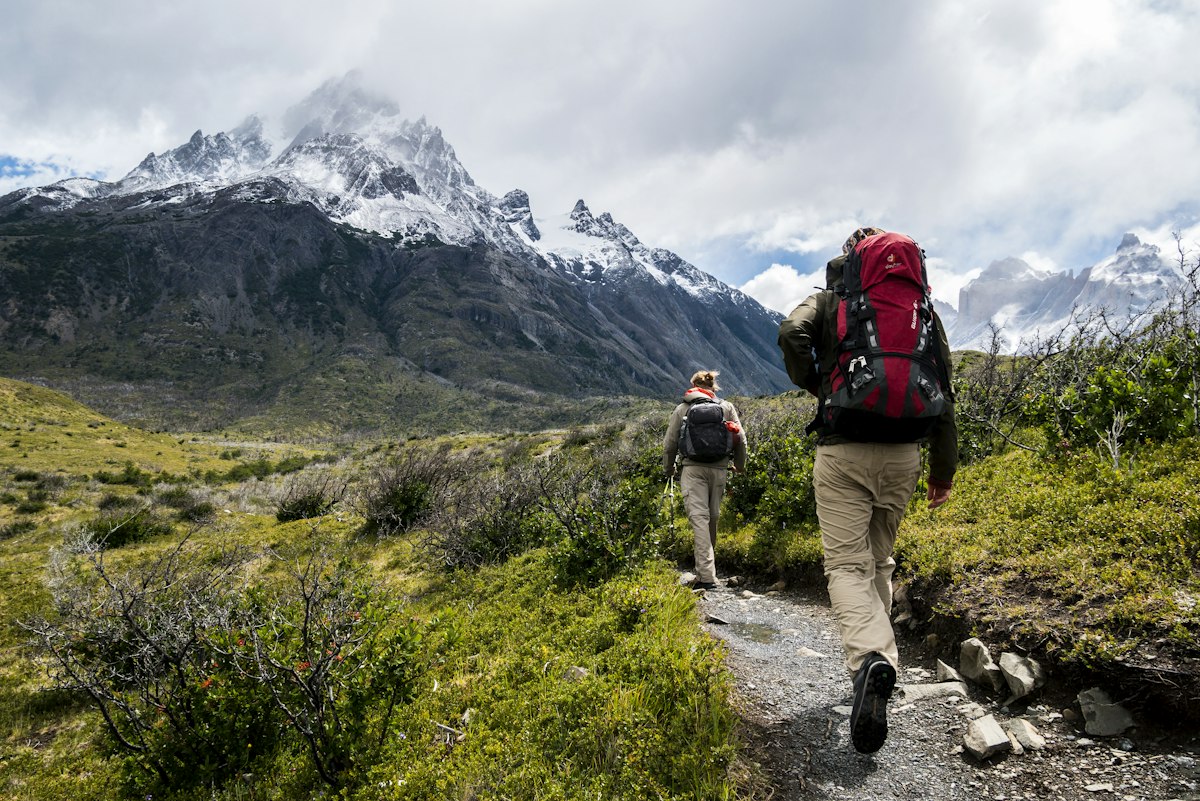
The trekking capital of South America. Every day ends with a view of Fitz Roy that makes the approach feel earned. 7–14 nights, $$$, best Nov–Mar. Best for: Hiking, Expedition, Shoulder season.
-
No. 02 · Annapurna Circuit, Nepal
The classic multiday trek. Tea houses every six hours, the Thorong La pass at 5,416 m, and views that don't require superlatives. 14–21 nights, $$, best Oct–Nov, Mar–Apr. Best for: Trekking, Tea house, High altitude.
-
No. 03 · Queenstown, New Zealand
The delivery mechanism for multi-sport days. Bungee, ski touring, kayak, and Milford Sound in the same week. 7–10 nights, $$$, best Dec–Mar. Best for: Multi-sport, Summer, Operator-led.
-
No. 04 · Iceland
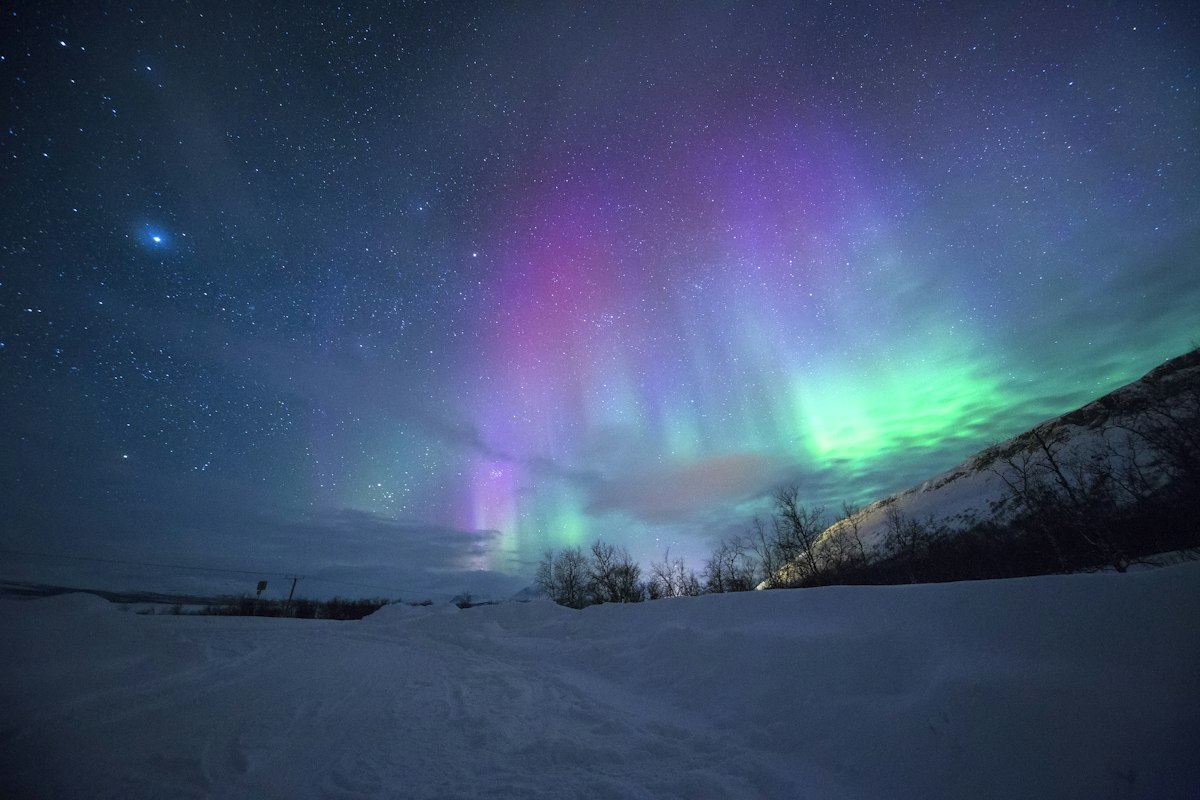
Lava fields, glaciers, and a ring road you do not take lightly. The F-roads are genuinely remote. Plan the access carefully. 8–12 nights, $$$$, best Jun–Aug (roads) Sep–Nov (lights). Best for: Self-drive, Glacier, Northern lights.
-
No. 05 · Lofoten Islands, Norway
Sea kayak between fishing villages, rock climb sea stacks, or ski into the fjord below. Altitude is modest; exposure is not. 5–9 nights, $$$, best May–Sep, Jan–Feb. Best for: Sea kayak, Climbing, Winter light.
-
No. 06 · Pacific Coast, Costa Rica
Surfing, zip-line canopy, white-water, and scuba in the same country code. The logistics are easy by Central American standards. 7–10 nights, $$, best Nov–Apr. Best for: Multi-sport, Surfing, Jungle.
-
No. 07 · Telluride, Colorado
A box canyon with serious ski terrain in winter and world-class mountain biking and 14er access in summer. No off-season. 5–8 nights, $$$, best Jun–Sep, Dec–Mar. Best for: Skiing, Mountain biking, 14ers.
-
No. 08 · Zermatt, Switzerland
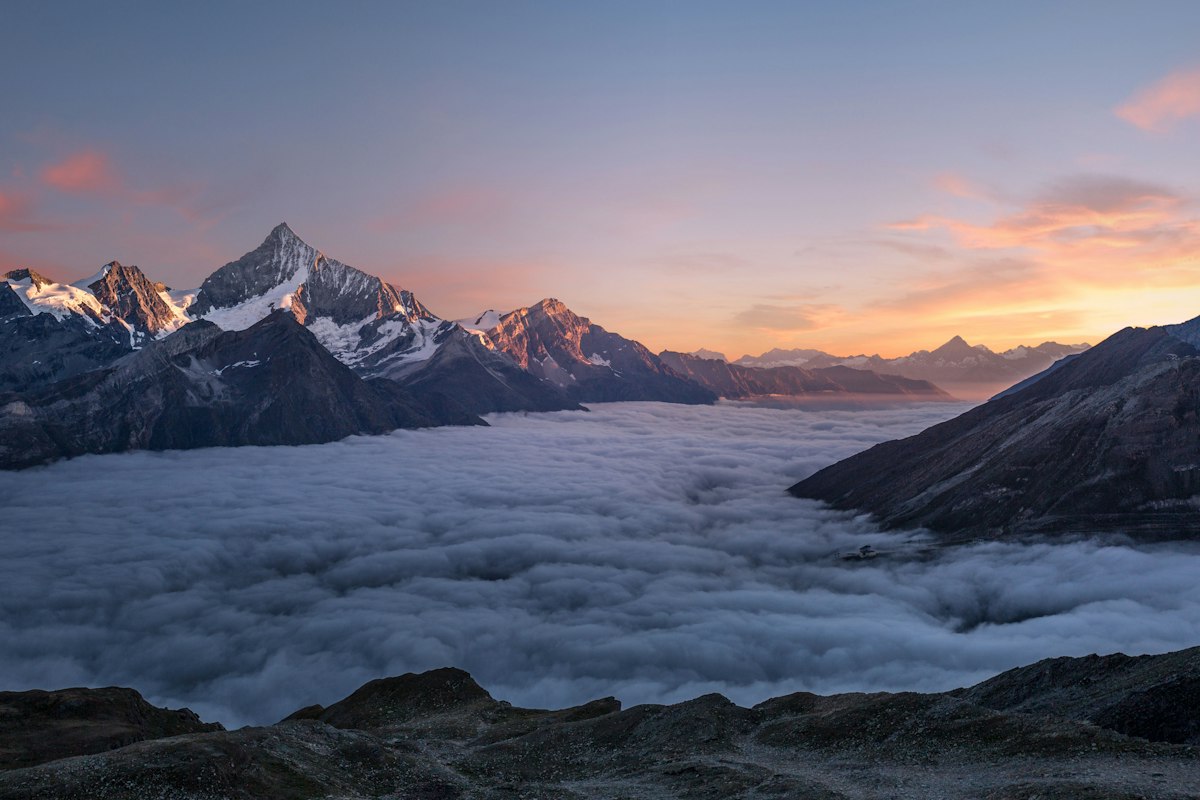
The Matterhorn as a backdrop to ski touring, summer ridge walks, and via ferrata. Gear rental is immaculate. Prices match. 6–10 nights, $$$$, best Jul–Sep, Jan–Mar. Best for: Ski touring, Via ferrata, High Alpine.
-
No. 09 · Komodo and Flores, Indonesia
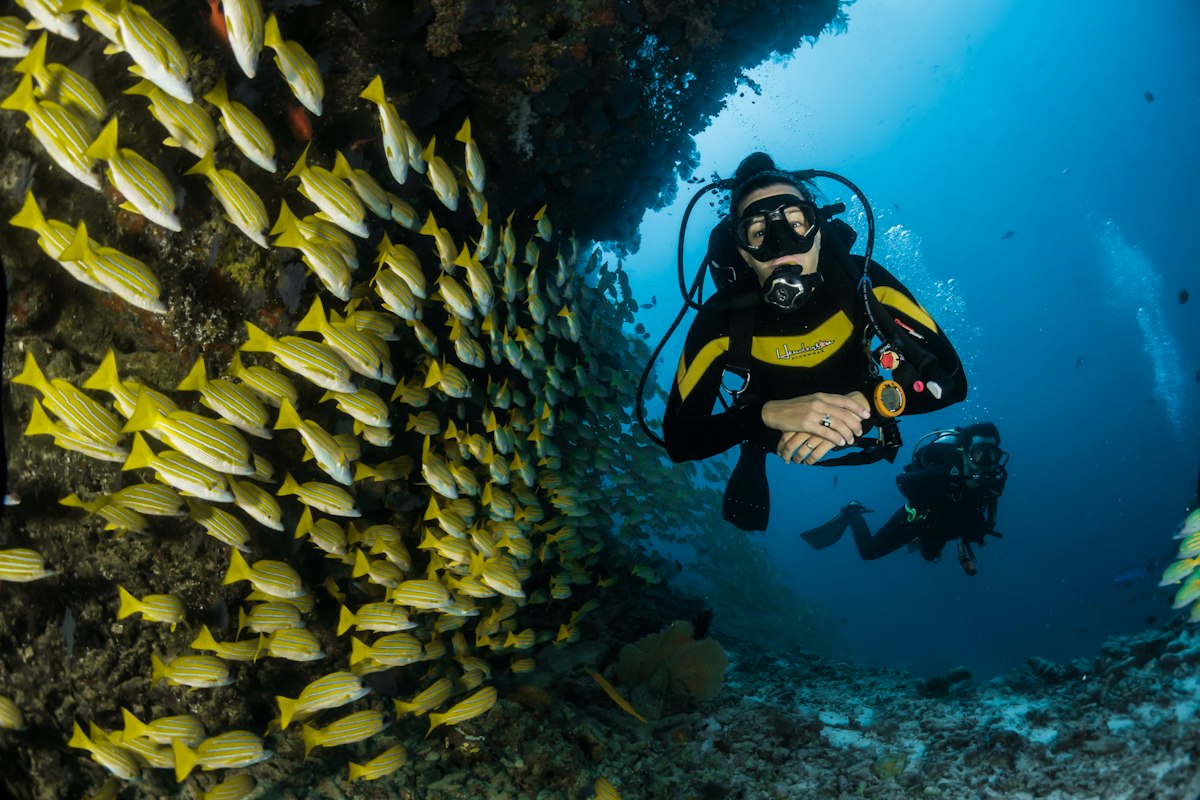
The Banda Sea currents push cold, clear water over pinnacles that hold manta rays year-round. One of the world's top five dive sites. 5–8 nights, $$, best Apr–Dec. Best for: Diving, Manta rays, Liveaboard.
-
No. 10 · Sacred Valley, Peru
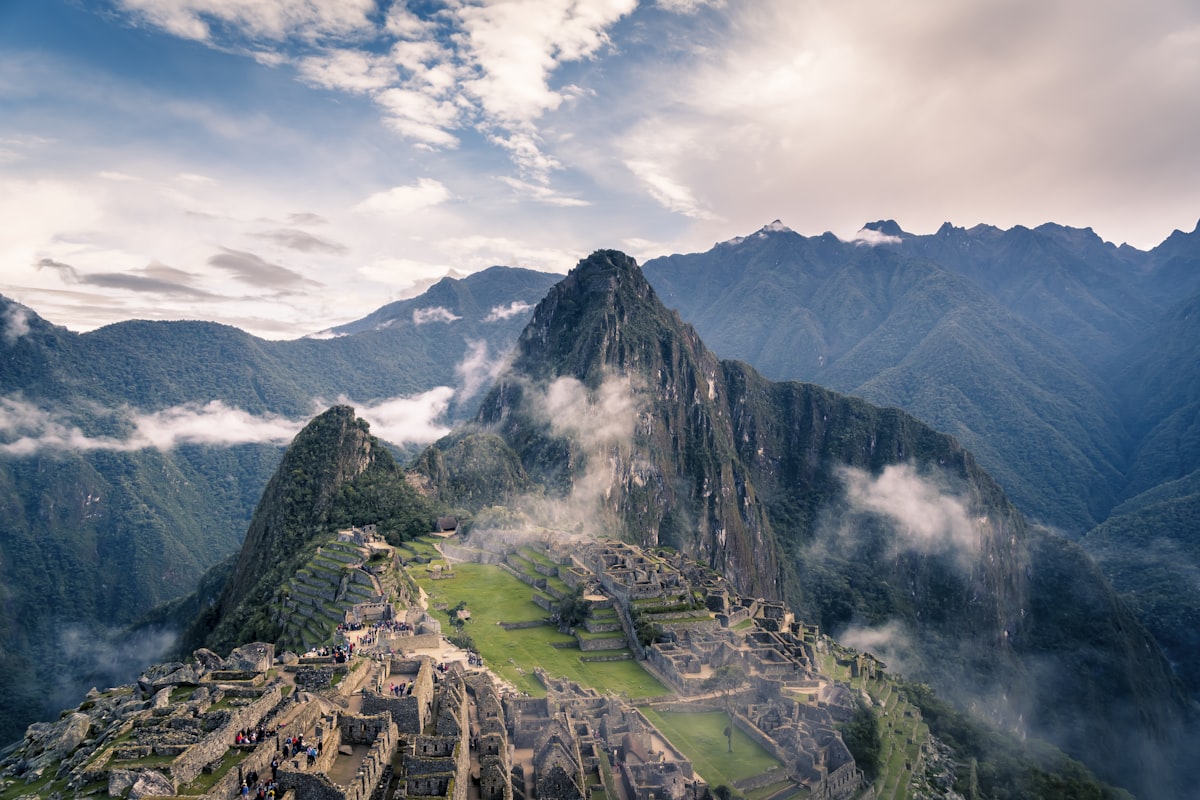
The Inca Trail to Machu Picchu is the floor, not the ceiling. Lares Trek, Salkantay, and the Choquequirao route are harder and emptier. 7–12 nights, $$, best May–Oct. Best for: Trekking, History, Altitude acclimatization.
-
No. 11 · Chamonix, France
The intellectual capital of alpinism. The Tour du Mont Blanc in summer, ski mountaineering in spring. The Aiguille du Midi is the warm-up. 5–9 nights, $$$, best Jul–Sep, Jan–Mar. Best for: Alpinism, Ski mountaineering, TMB.
-
No. 12 · Banff, Canada
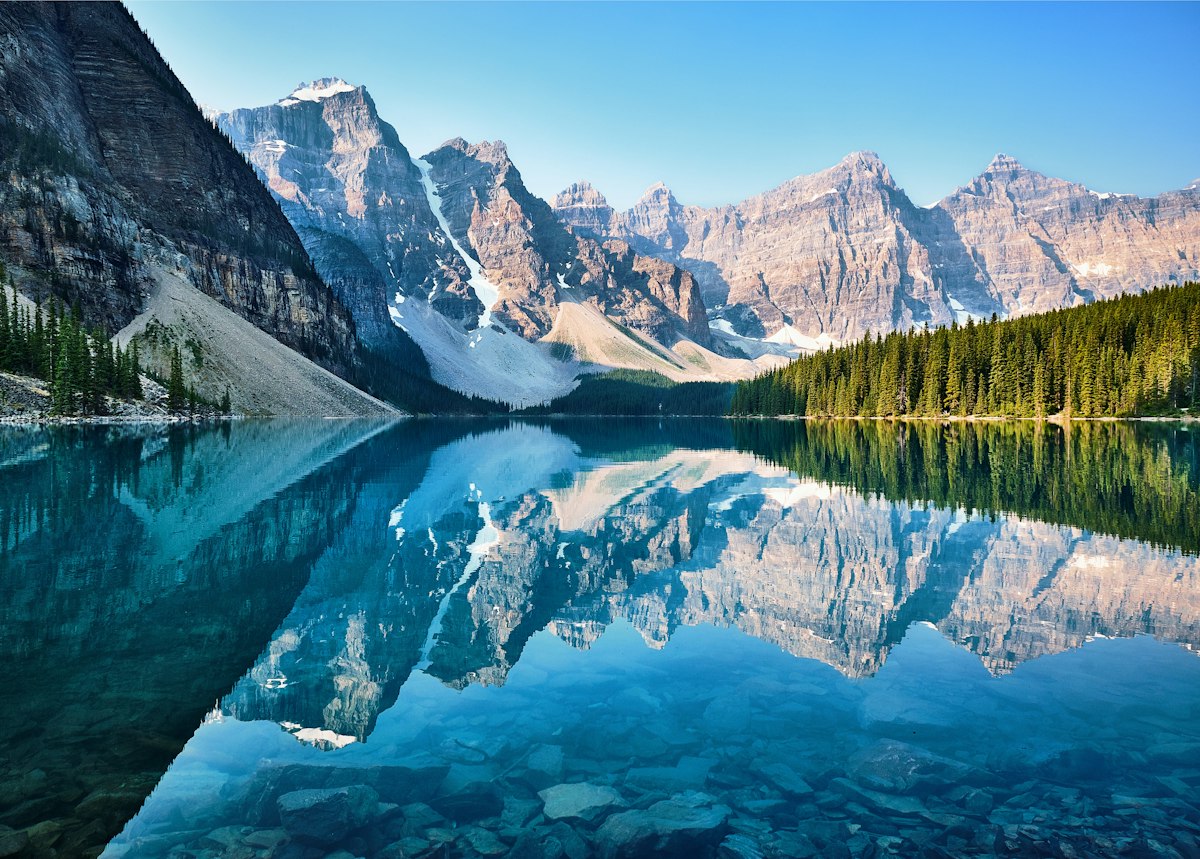
The Icefields Parkway in shoulder season before the buses arrive. Backcountry camping requires permits; book them the morning they drop. 5–9 nights, $$$, best Jun–Sep, Dec–Mar. Best for: Backcountry, Wildlife, Icefields.
Six disciplines. One trip.
Adventure travel is not one thing. The logistics, fitness requirements, and safety briefing for a liveaboard dive trip are different from a ridge traverse. Pick the discipline; we'll point you to the right guides.
- I · Hiking and Trekking — Feet first. Multi-day routes, hut-to-hut systems, and the teahouse trail. From afternoon ridge walks to three-week expeditions with resupply points. 12 guides.
- II · Diving and Snorkeling — Below the surface. Liveaboards, reef dive etiquette, the physics of depth, and the ten sites where the water will change your understanding of scale. 6 guides.
- III · Climbing and Mountaineering — Technical terrain. Sport crags for the weekend, via ferrata for the uninitiated, and full alpine routes for those who know what a bergschrund is. 5 guides.
- IV · Sailing and Kayaking — Water-level travel. Bareboat charter if you have the cert, flotilla if you're learning, sea kayak touring if you want the coast to yourself. 3 guides.
- V · Cycling Tours — Self-propelled. Gravel touring, road passes, and bikepacking routes. We cover gear loading strategy, pass timing, and the logistics of shipping a bike. 2 guides.
- VI · Multi-Sport — The full menu. The trips that stack activities or let you choose each day. Queenstown, Costa Rica, the Dolomites. 1 guide.
Eight itineraries to copy.
Day-by-day plans built and walked by the desk. Each covers approach logistics, acclimatization days, and a realistic budget that includes gear hire and emergency funds.
- ADV-088 · Fitz Roy loop, south to north. 8 days, by Callum, $1,840. Tags: Hiking, Patagonia, Tent camping.
- ADV-071 · Annapurna Circuit, the full arc. 18 days, by Priya, $1,260. Tags: Trekking, Nepal, Tea house.
- ADV-094 · Komodo liveaboard, 5 dive sites. 7 days, by Marco, $2,100. Tags: Diving, Indonesia, Manta rays.
- ADV-061 · Lofoten, sea kayak to summit. 6 days, by Astrid, NOK 14,200. Tags: Sea kayak, Norway, Midnight sun.
- ADV-079 · Tour du Mont Blanc, compact edition. 9 days, by Callum, €1,960. Tags: Hiking, Alps, Hut-to-hut.
- ADV-083 · Salkantay Trek to Machu Picchu. 10 days, by Priya, $1,380. Tags: Trekking, Peru, Altitude.
- ADV-066 · Iceland F-roads, interior traverse. 7 days, by Astrid, $3,200. Tags: 4WD, Iceland, Camping.
- ADV-091 · Banff backcountry, Skoki loop. 12 days, by Marco, CA$2,400. Tags: Backcountry, Canada, Bear country.
By the day count.
How long do you have? Pick a row. Some of the most satisfying adventure trips in this guide are under nine days. Others need three weeks to do them honestly.
- Long weekend · 3–4 days. 5 guides. Lofoten (easy), Telluride summer, Zermatt day walks. From $680.
- Standard week · 5–9 days. 11 guides. Komodo liveaboard, Patagonia loop, Banff Icefields. From $1,200.
- Two weeks · 10–16 days. 9 guides. Annapurna Circuit, TMB + acclimatization, Iceland ring. From $2,100.
- Three weeks+ · 21+ days. 4 guides. Everest Base Camp, full Patagonia traverse, Nepal–Tibet. From $3,800.
The brief. Six things that matter, in order.
What the guidebooks summarize in three sentences, unpacked. The order is intentional: fitness first, insurance last only because most people get the others right first.
- Fitness tip — Train for the specific load, not the sport. Trek training means carrying weight uphill on consecutive days — not running marathons. Six weeks of weighted hill walking is more relevant preparation than a half-ironman.
- Gear tip — One waterproof layer that works at -10°C. The mistake is bringing four mid-layers and no real protection. A hardshell that blocks wind and handles full rain at altitude is the single item you cannot compromise on.
- Altitude tip — Acclimatize before the summit push, not during. Build your ascent profile so you sleep two nights at each major threshold. The pressure to summit on schedule is the fastest path to an evacuation.
- Logistics tip — Permit queues are real. Twelve months is not hyperbole. The Inca Trail daily limit is 500 people including porters. Permits sell out within hours of the booking window opening. Set a calendar reminder for the release date.
- Insurance tip — Read the elevation exclusion before you buy. Most sport riders and adventure add-ons have a ceiling — 4,500 m, 5,500 m, or no mountaineering. Know your route's maximum altitude before purchasing. Ask the insurer in writing.
- Safety tip — Leave a route card with someone who will act on it. Name. Route. Expected return time. Emergency contact for local mountain rescue. Three sentences. A WhatsApp message the night before is enough if the recipient knows to call for help after 36 hours of silence.
The reading list. Eight essays from the field.
The pieces written after the trip, not before it. If you read two, read the altitude one and the insurance one.
- Method · How to train for a long trek, without a gym. By Callum, 10 min read.
- Gear · What to ship ahead, what to buy in-country. By Marco, 8 min read.
- Medical · Altitude sickness: the real protocol. By Priya, 9 min read.
- Diving · Your first liveaboard. A calm brief. By Marco, 7 min read.
- Safety · Solo alpine travel: what the guides won't tell you. By Callum, 12 min read.
- Logistics · Permits, quotas, and why you book fourteen months out. By Priya, 8 min read.
- Insurance · Adventure travel insurance: what the policy actually covers. By Astrid, 6 min read.
- Editorial · The gear list is not the trip. By Callum, 11 min read.
The Adventure desk. Four editors, 125 expeditions.
The desk covers four disciplines and three continents of regular rotation.
- Callum Reid · Adventure Editor · Trekking and Alpinism · 44 expeditions. "I got into this because the mountains are where the world stops talking. I stay in it because I have never found a better classroom."
- Priya Nair · Field correspondent · Nepal and High-Altitude Asia · 31 expeditions. "I've stood on the Thorong La seven times. I still feel the altitude on day three. That's the point."
- Marco Silvestri · Field correspondent · Diving and Oceania · 28 expeditions. "The ocean has no interest in your training log. Respect the briefing. Read the current. The rest follows."
- Astrid Berglund · Field correspondent · Scandinavia and Arctic · 22 expeditions. "A Lofoten kayak in February will recalibrate your definition of cold. Do it anyway. It holds."
The questions we get a lot.
- How fit do I need to be for a multiday trek?
- Fitter than you think you need to be, and the test is specific: can you walk 6 hours with a 10 kg pack on consecutive days without your knees giving out? Running fitness doesn't transfer cleanly. Start walking uphill with weight 6–8 weeks before departure. If you can do three consecutive days of 5-hour hill walks before you leave, you are ready for most classic routes. The Annapurna Circuit and TMB are not technically demanding — they are aerobically demanding and long.
- Guided vs. unguided: how do I choose?
- Guided if: you're doing serious alpine terrain above 5,000 m, you're new to the activity, you're somewhere with permit or access complexity (Tibet, Nepal restricted zones, Antarctica), or your group has mixed experience. Unguided if: the route is well-marked, you have navigation skills, the altitude is below 4,500 m, and you can handle your own emergency. The false economy is hiring no guide to save $80/day on a $4,000 trip when an incident makes it a $40,000 airlift.
- Gear: ship it ahead or buy it in-country?
- Hard shells, boots, and technical climbing gear — ship or bring from home. Soft layers, base layers, trekking poles, and dry bags — buy locally in any major trekking hub (Kathmandu, Huaraz, Queenstown, Chamonix). The local gear markets are deep, prices are fair, and luggage is expensive.
- What is the actual risk of altitude sickness?
- Roughly 25–40% of people trekking above 3,500 m will experience some AMS symptoms — headache, fatigue, nausea. The protocol: ascend slowly, rest days at 4,000 m and 5,000 m, descend immediately if symptoms worsen. Acetazolamide (Diamox) helps some people — talk to your doctor before the trip, not at base camp.
- What does adventure travel insurance actually need to cover?
- Three non-negotiables: helicopter evacuation (minimum $500,000), emergency repatriation, and the specific activity you're doing. Most standard travel insurance excludes mountaineering above a certain elevation. You need a specialist policy. Read the exclusion list for your specific route before you buy. An uninsured HEMS evacuation from Nepal runs $10,000–$25,000.
- When is the right month for the major routes?
- Nepal: October–November and March–April. Patagonia: November–March. Alps summer: July–August. Alps ski: January–March. Komodo: April–December. Iceland: June–August for roads, January–March for northern lights. The shoulder months are consistently better than peak season.
Adventure travel by discipline.
The six disciplines each have their own planning logic. Trekking trips are built around daily elevation gain, teahouse availability, and permit windows. Diving trips are built around seasonal thermoclines, current direction, and liveaboard scheduling. Climbing trips require a skills audit before destination selection — the wrong grade in the wrong range is not an adventure, it is an emergency. Sailing and kayak trips are governed by wind windows and tidal charts. Cycling tours live and die by the condition of the roads in that specific month, not the year. Multi-sport trips need a hub with competent operators so you are not managing five separate logistics chains. Pick your discipline first. The destination follows from that decision, not the other way around.
The desk has guides for each discipline linked from the section above. The practical brief covers the cross-discipline issues: fitness preparation, gear decisions, altitude management, permit logistics, insurance coverage, and emergency protocols. All six are worth reading before you book anything, regardless of which discipline you are planning around.
Plan an adventure trip the right way.
Open the shortlist, copy an itinerary, read the brief. The preparation takes longer than the trip. That is the point.