WEEKS TO MONTHS · 28 GUIDES · 6 NEW THIS SEASON
Workation. Working from somewhere else.
Combining work and travel for two weeks, two months, the rest of the year. Wifi, time zones, and the apartments with the desk you'd actually use. Twelve cities for the laptop traveler, eight ways to set up the desk, and the brief on what changes when the trip lasts longer than the vacation days you've saved.
- 28 guides on file
- 6 new this season
- Forms: 14 days · 30 · 90 · 365
- Most-read age 28–44
- Updated May 2026
Twelve cities, for the laptop traveler.
Picked because the wifi holds, the apartments have the desk you'd actually use, and the time zones don't punish your team. Each card opens a hand-built long-stay or workation plan, walked by the desk.
-
No. 01 · Lisbon, Portugal
The canonical workation. Fiber in every café, a D7 visa that takes you seriously, GMT for the European call window, and apartments in Príncipe Real with the desk you'd actually use. 30+ nights, $$, best Mar–Jun & Sep–Nov. Best for: wifi, visa-friendly, EU calls.
-
No. 02 · Barcelona, Spain
Eixample apartments with three working windows, a co-working scene that doesn't try too hard, and the dinner hour that finally matches your inbox finally being clear. 30+ nights, $$, best Apr–Jun & Sep–Oct. Best for: co-working, apartments, late dinners.
-
No. 03 · Mexico City, Mexico
The Americas-coast workation. CST for the New York and California call window, Roma Norte for the desk, Condesa for the run, and a sublet that ships your whole month back to you in tacos. 60+ nights, $$, best Oct–Apr. Best for: US time zones, sublets, food.
-
No. 04 · Chiang Mai, Thailand
The classic SE Asia desk. Thirty dollars a day done well, a long-stay Thai visa that's finally reasonable, fiber in every condo, and a temple bell at 6 a.m. instead of an alarm. 60+ nights, $, best Nov–Feb. Best for: cheap, fiber, long stays.
-
No. 05 · Tokyo, Japan
The disciplined workation. JST is brutal for the US team but kind to deep work; Shimokitazawa rents you a desk with a window onto a side street; the café below opens at 7. 30+ nights, $$$, best Mar–May & Oct–Nov. Best for: deep work, cafés, quiet.
-
No. 06 · Buenos Aires, Argentina
Palermo apartments with two terraces and one good desk. EST in the workday and a steak at midnight. The dollar goes a long way; the wifi rarely doesn't. 60+ nights, $$, best Oct–Dec & Mar–May. Best for: apartments, EST, cheap.
-
No. 07 · Canggu, Indonesia
The famous one. The new B211A long-stay visa actually works; the villas have ergonomic chairs and pools; the surf is at 6 a.m. and again at sunset, never during your stand-up. 60+ nights, $$, best Apr–Oct. Best for: villas, surf, visa.
-
No. 08 · Berlin, Germany
Kreuzberg sublets with a real desk and double-glazed windows. The freelancer visa is real and renewable; the bakery on the corner closes at 6, which is when you should too. 30+ nights, $$, best May–Sep. Best for: sublets, EU visa, quiet.
-
No. 09 · Medellín, Colombia
El Poblado on the hill, fiber that holds up to back-to-back Zooms, and a climate that does the same thing every day so you stop checking the weather and start finishing the work. 60+ nights, $, year-round. Best for: climate, fiber, cheap.
-
No. 10 · Tbilisi, Georgia
The longest visa in the workation map: a year on arrival for most passports, no questions. Vake apartments rent for $700 a month, the wine is older than your laptop, the wifi is fine. 365 nights, $, best May–Jun & Sep–Oct. Best for: 1-year visa, cheap, apartments.
-
No. 11 · Cape Town, South Africa
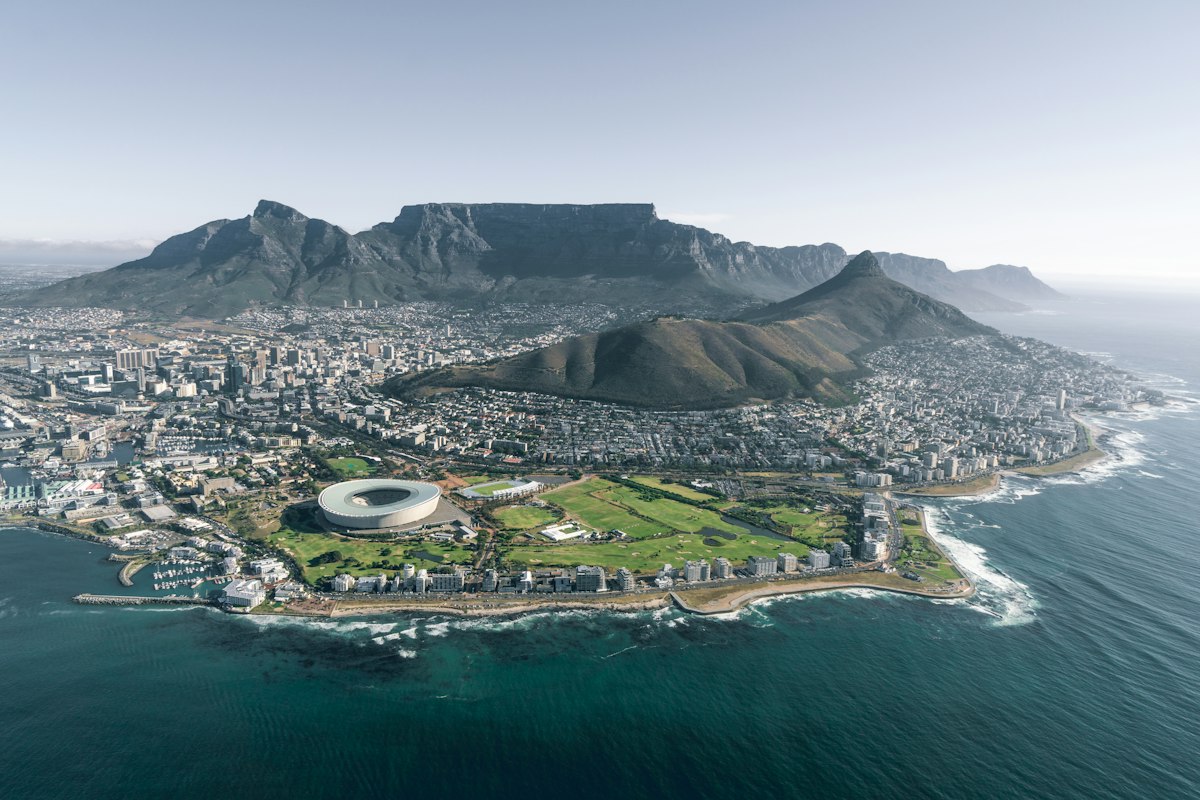
Sea Point apartments with the kind of view that pays you back for the time-zone calculus. SAST is two hours off CET, manageable with one early morning a week. The new remote-work visa makes the sums work. 60+ nights, $$, best Nov–Mar. Best for: views, visa, apartments.
-
No. 12 · Goa, India
Anjuna and Assagao villas built for the slow morning, fast wifi, and an evening on the sand. India's e-visa stretches to a year now; the rupee makes month four cheaper than month one. 60+ nights, $, best Nov–Feb. Best for: villas, visa, cheap.










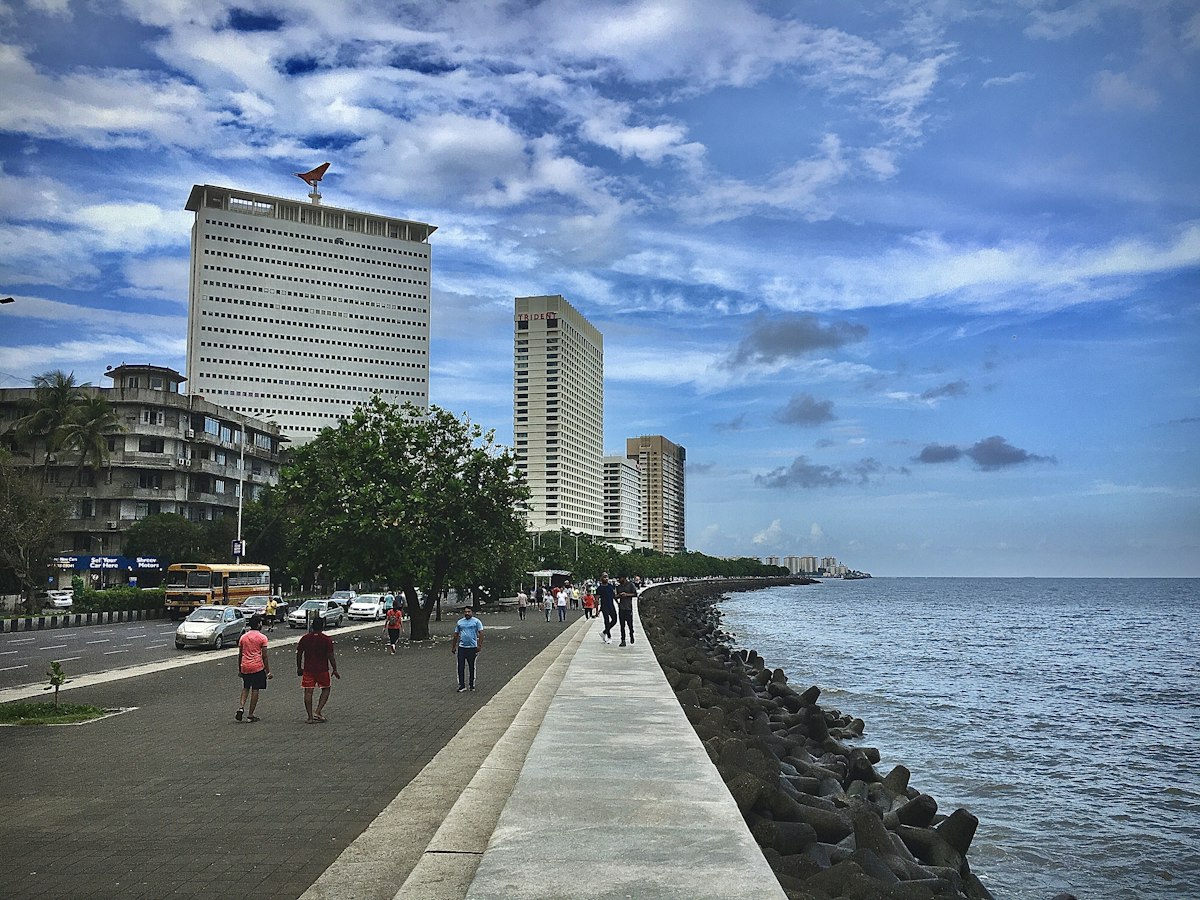
Field notes. The workation isn't a vacation with a laptop.
"A workation is the trip you take when you've run out of vacation days but you haven't run out of wanting to leave. The mistake is treating it like a long vacation that you're going to do email through. It isn't. It's a job you've moved to a different apartment, and the trick is to admit that on day one — set up the desk before the bag is unpacked, find the supermarket before you find the bar, keep the morning identical to the morning at home. The city is the reward for closing the laptop, not the place you happen to be while you avoid it."
The single variable that decides whether a workation works is the desk. Not the city, not the visa, not the wifi, not the apartment's view from the photos — the actual surface you sit at for eight hours a day, lit by something other than a screen, with a chair that was chosen by a person who has sat in chairs for a living. Most apartments don't have one. The ones that do are usually the same ones with the fiber connection and the host who answers messages.
The second variable is the time zone, and it isn't optional. Stay within three hours of home and the trip is just a different room. Push it to five and the day flips on its head: you sleep through the morning to be alive for the 4 p.m. stand-up, and you see the city only on weekends, which is the version of the trip you were trying to escape. Eight hours off and you're a writer or you're miserable; there isn't a middle.
— Iris Mendoza, Long-Stay Desk · House essay Nº 11
Eight ways to set up the desk.
The practical guides — the rooms, the routers, the budgets, the visa lines that get you through. Each is a complete long-stay plan with prices that hold in 2026 and a pace tested for the form.
- WK-118 · Southeast Asia, under $30 a day. 30+ days, by Marcus, $900/mo. Tags: budget, fiber, long stay.
- WK-104 · Japan, the long-term apartment. 30+ days, by Iris, ¥240k/mo. Tags: apartments, quiet, deep work.
- WK-091 · Middle East, the budget set-up. 30+ days, by Marcus, $1,400/mo. Tags: budget, visa, apartments.
- WK-127 · India, the three-month booking. 90 days, by Nia, $1,800/3mo. Tags: 3-month, villas, cheap.
- WK-082 · Europe, what to actually pack. 30+ days, by Iris, carry-on +1. Tags: packing, carry-on, long stay.
- WK-079 · SE Asia, the packing list. 60+ days, by Marcus, carry-on +1. Tags: packing, climate, long stay.
- WK-115 · SE Asia, apartments under $500. 30+ days, by Marcus, $500/mo. Tags: cheap, apartments, fiber.
- WK-101 · Mexico & Caribbean, the long-stay budget. 60+ days, by Juan, $1,600/mo. Tags: US time zones, sublets, apartments.
The workation matrix.
Six shapes of long stay, ordered by length and intention. Pick the row that matches the trip you actually need to take, not the one your feed thinks you should.
- Two weeks abroad · 14 days. 9 guides. Lisbon, Barcelona, Tokyo. From $1,800.
- One month, one city · 30 days. 12 guides. Mexico City, Berlin, Bali. From $1,400.
- Quarter abroad · 90 days. 7 guides. Chiang Mai, Medellín, Goa. From $3,200.
- Slow nomad year · 365 days. 4 guides. Tbilisi, Lisbon, Buenos Aires. From $14,000.
- Time-zone matched · 30+ days. 8 guides. Mexico City, Buenos Aires, Lisbon. From $1,500.
- Visa-friendly · 180+ days. 6 guides. Tbilisi, Lisbon (D7), Bali (B211A). From $1,200/mo.
Eight reads, by depth.
The pieces sitting one click below this page. The first is the house essay; the rest are city plans, visa explainers, and long-stay budgets that the desk has actually walked. Read in order or skip to the trip you're already half-planning.
- Method · How to plan a workation that balances work and travel. By Iris, 11 min read.
- City · How to plan a workation in Lisbon. By Iris, 10 min read.
- City · How to plan a workation in Barcelona. By Marcus, 10 min read.
- Visas · Long-term visas in Europe, what actually works. By Nia, 9 min read.
- Visas · Long-term visas in SE Asia, the new long-stay rules. By Marcus, 9 min read.
- Budget · A year in Europe, under $50 a day. By Iris, 12 min read.
- Budget · India, ten dollars a day for months. By Nia, 10 min read.
- Budget · Mexico & the Caribbean, the long-stay budget. By Juan, 9 min read.
The Long-Stay desk. Three editors on the form.
Workations are the trip the desk has the most personal opinions about, because they've all done them — quietly, badly the first time, and well after that. Here's what they tell their friends.
- Iris Mendoza · Senior Editor, Long-Stay Desk · 22 long stays. "A workation isn't a vacation with a laptop. It's a job done in a different apartment. The trips that work are the ones that admit that on day one and build the desk first."
- Marcus Lin · Field correspondent, Asia long-stays · 31 long stays. "Chiang Mai cured me of the idea that productivity costs money. The desk in my $400 condo writes the same code as the desk in my $4,000 New York apartment. The bell at 6 a.m. is free."
- Nia Adebayo · Field correspondent, Europe & Africa · 17 long stays. "I do my best work in Lisbon and my second-best work in Cape Town. They have nothing in common except the apartment had a real desk by the window. The desk is the variable."
The brief. Six tips, in order of importance.
The non-obvious things. Tested across long stays in three continents, ordered by how much they decide whether the workation works.
- Wifi tip — Book the apartment, not the city. The room with a fiber connection and a real desk in a forgettable suburb is a better workation than the photogenic loft on the hill with three bars of café wifi. Read the apartment listing for the words ethernet, fiber, dedicated workspace, ergonomic. Message the host to ask for a screenshot of a speedtest. The room is the trip.
- Time-zone tip — Stay within three hours, or commit to the cost. Three hours of difference is a one-coffee adjustment. Six hours is a different job. If you're going further, negotiate the schedule shift with your manager two weeks before you leave — propose the new hours in writing, not on a Slack DM from the airport. The conversation you have at home is the conversation you don't have at 11 p.m. from the apartment.
- Length tip — Two-week minimum. Month is the form. Two weeks is the floor: any less and you spend the trip looking for the supermarket. A month gets you the 20–30% monthly discount on the apartment, the routine that lets you actually finish things, and the second weekend that's the whole point. Quarter and year stays are different animals — see the matrix below.
- Workspace tip — Set up the desk on day one. Not day three. Unpack the laptop stand, the keyboard, the second mouse, and find the one corner of the apartment with the morning light and no kitchen behind you. Set it up the first afternoon, before you're tired. The single biggest reason workations fail is that the desk never actually gets built — you end up working from the couch and your back is the bill.
- Money tip — Two cards, two banks, one Wise account. Carry one card from each of two different banks in two different pockets, plus a multi-currency account (Wise or Revolut) as the daily spending vehicle. Long stays are when freezes, fraud holds, and ATM issues find you, and a frozen card on day six is a frozen month. Tell both banks the dates before you leave.
- Boundaries tip — End the day. Then leave the apartment. The work day ends when you close the laptop, walk out the door, and don't bring the phone. If you eat dinner at the desk because the project is on fire, the workation is over and you're now just doing your job in a more expensive apartment. The thirty-minute walk between work and the city is the membrane that keeps both honest.
The questions readers send in.
- What's the minimum length for a workation to actually work?
- Two weeks. Anything shorter is a vacation that you're trying to do email through, and you'll do both badly. The first three or four days are spent finding the supermarket, the kettle, the local time you become productive at; the second week is the work week that justifies the trip. A month is the form's natural unit — long enough to settle, short enough to still notice the place.
- How much does the time zone really matter?
- More than the wifi. Stay within three hours of your home zone and you barely notice; stretch to five and you're working from 3 p.m. to 11 p.m. and seeing nothing in daylight; stretch to eight and the trip is a permanent jet lag. The exception is deep work — if your job is mostly async, a brutal time zone is a feature, not a bug. Tokyo from New York is a writer's dream and a manager's nightmare.
- Should I tell my company I'm working from abroad?
- Yes, with a script. Frame it as a productivity experiment with a fixed end date, propose to keep the same business hours, and offer to use the company VPN. Don't ask for an unusual arrangement — describe a normal one that happens to be in a different room. The companies that say no are usually worried about tax, not trust; a 30-day trip almost never crosses any tax line.
- What kind of internet do I actually need?
- 25 Mbps down and 5 Mbps up, with a backup. The down number is for video calls; the up number is the one nobody quotes and everybody fails. Pay for the apartment that has fiber listed in the description, not the one that promises fast wifi in the photos. Carry a local SIM with unlimited data as the second leg. The rest is theatre.
- How do I avoid vacation brain during work hours?
- Keep the morning identical. Same coffee, same routine, same shower, same dressing as if you were going to the office, even if the office is the kitchen table. The trick isn't discipline — it's continuity. Schedule the city for after 5 p.m. and the weekends; don't schedule it during the week and rely on willpower to say no. The trip is the reward, not the workspace.
- Is a workation cheaper than my home rent plus a vacation?
- Sometimes, in Lisbon, Mexico City, Chiang Mai, and Tbilisi — almost certainly yes. In Barcelona, Tokyo, and most of Europe in summer, no, not really. The honest math: take your home rent, add what you'd spend on a two-week trip, and compare it to a month in the destination. If you're saving more than 20%, the move is obvious; if it's a wash, do it for the trip, not the savings.
Plan a workation that holds for the month.
Open a city, book the apartment with the desk, set the work hours, get on the plane. Two weeks at the floor, a month for the form, and the city as the reward for closing the laptop on time.
Open Lisbon, the workation · ↑ Back to Trip Duration · Back to Plan · Home
The workation system underneath the shortlist.
A workation is a distinct planning form with its own discipline. The two-week workation traveler needs a plan that admits the first three days will be spent finding the supermarket; the one-month workation traveler needs the apartment that hits the monthly discount and the desk that survives a four-week project deadline. The quarter-abroad traveler needs a visa that holds and a banking setup that doesn't freeze; the slow-nomad-year traveler needs a base city, not a route — somewhere the mail can be redirected, the relationships can be maintained, the routine can be rebuilt every three or four months. The single mistake every workation traveler makes once is treating the trip as a vacation that happens to have email in it, and the single rule every workation traveler eventually learns is to set the desk up on day one.
The city shortlist is built around those differences. Lisbon opens because it is the most-tested workation city the desk publishes — the D7 visa is a real long-stay path, the fiber is real, the time zone is GMT for the European workday and only five hours off New York, and the apartments in Príncipe Real, Estrela, and Lapa rent furnished with desks that were chosen by people who know what a desk is. Barcelona is the apartment-and-evening choice, with the Eixample's three-window living rooms and the dinner hour that sits where your inbox finally clears. Mexico City is the Americas-coast choice — CST puts you in the New York and California call window and the Roma Norte and Condesa sublets rent for a third of the same room in San Francisco. Chiang Mai is the cheapest workation city the desk recommends and the only one where $30 a day is genuinely a long-stay budget. Tokyo is the deep-work city: brutal time zone for a US team, perfect for an async job; Shimokitazawa is the neighborhood that rents you a desk by the window. Buenos Aires is the EST workday with the steak at midnight. Canggu is the famous Bali workation, made finally legal by the new B211A long-stay visa. Berlin is the renewable-freelancer-visa city. Medellín is the year-round-climate city. Tbilisi is the year-on-arrival visa city. Cape Town is the view that pays for the early call. Goa is the villa-and-e-visa city for the slow nomad.
The decision rule is simple: choose the city that supports the time zone of your job and the length of your stay, then pick the apartment with the desk and book it for at least a month. If your job is sync-heavy and your team is in New York or Los Angeles, choose Mexico City, Buenos Aires, Medellín, or one of the European cities at most six hours off. If your job is async or writing-led, the time zone disappears and you are free to choose Tokyo, Bali, Goa, or Chiang Mai — the long-distance workation cities. If you need a visa that survives a real long stay, choose Lisbon (D7), Tbilisi (year on arrival), Bali (B211A), or Berlin (freelancer visa). If you need the cheapest workation that still has fiber, choose Chiang Mai, Goa, Medellín, or Tbilisi. The form is the same in all twelve cases — fiber wifi, a real desk, a routine that survives the second week — but the city changes the ratio of work to trip.
A good workation protects the first 72 hours. It puts the traveler in an apartment that was selected for the desk first and the photos second, sets the desk up on the first afternoon before the laptop has even synced, finds the supermarket and the laundry and the café below the apartment before the first work day starts, and keeps the morning identical to the morning at home so that the time-zone math is the only adjustment the body has to make. Day four the work week starts. The discipline is to treat that work week like the work week at home — same hours, same calendar, same email rules — and to treat the city as the reward for closing the laptop at the agreed hour, not as the thing that competes with the work for attention.
This parent page should carry enough body to stand as the central workation hub for the Trip Duration lane. It links down to specific city workation guides (Lisbon, Barcelona, Mexico City, Chiang Mai, Tokyo, Buenos Aires, Bali, Berlin, Medellín, Tbilisi, Cape Town, Goa); across to other trip-duration hubs (sabbatical, three-month, six-month, year, and the shorter forms); and forward into related pages on three months in Europe on a budget, long-term visas by region, long-stay budgets, packing for a long stay, and apartments with workspaces. The crawler-visible content needs to show that architecture clearly: the workation is a full planning form, not a label for a vacation that happened to include some email.
Where the workation hub goes next.
The workation hub keeps expanding into city-specific plans (the Lisbon workation, the Barcelona workation, the Mexico City month, the Chiang Mai quarter, the Bali six months), length-specific builds (two-week workation, one-month workation, three-month workation, year abroad), and decision pages (when a workation isn't worth it, when to extend, when to come home, when to switch cities mid-stay). Lisbon is the current exemplar because it shows the form: a specific city, a specific neighborhood, a specific apartment archetype with a desk by the window, a specific visa path, a specific time-zone fit. The same structure can support every other city on the shortlist without turning the page into generic remote-work copy.
The page also has to protect the reader from bad workation advice. Do not romanticize the café wifi when the apartment desk is what makes the trip work. Do not pretend an eight-hour time-zone difference is fine because the laptop still opens. Do not tell anyone the visa doesn't matter — month four is when the visa matters. Do not promise a workation is cheaper than home until you have done the math with the apartment, the flight, the second SIM, the co-working backup, and the home rent that didn't pause. The useful workation guide is calm, specific, and practical: book the apartment with the desk, match the time zone, stay a month, set the work hours, and close the laptop on time.