SEVENTY-TWO HOURS · 28 GUIDES · 7 NEW THIS SEASON
Three Days.
The most useful trip length we publish. One city, one neighborhood, one good meal a day. Long enough to arrive properly. Short enough to leave before you wear out your welcome. Twelve cities worth a 72-hour study, eight itineraries by character, and the brief on what changes when the trip is short.
- 28 guides on file
- 7 new this season
- 3 days · 2 nights
- Most-read age 30–48
- Updated May 2026
Twelve cities, for three days.
Picked because the city actually rewards a 72-hour study — close enough to walk, dense enough to repay the visit, generous enough that you don't leave needing more time. Each card opens a hand-built day-by-day plan walked by the desk.
-
No. 01 · Tokyo, Japan
The most rewarding 72-hour city in the world. One ward per day, one good meal per ward, no train rides longer than the meal that follows. 3 days, $$$, best Mar–May & Oct–Nov. Best for: first time, food, walking.
-
No. 02 · Kyoto, Japan
Temples, gardens, kaiseki. The trick is to do less than you think — Kyoto rewards a single neighborhood walked twice. 3 days, $$$, best Apr & Nov. Best for: slow, temples, food.
-
No. 03 · Paris, France
Three days, one arrondissement at a time. Walk it. Eat lunch slowly. Skip the queues by booking the museum at 9 a.m. or 6 p.m. 3 days, $$$, best May–Jun & Sep. Best for: walking, food, classics.
-
No. 04 · Rome, Italy
The first-timer's three-day plan: ancient on day one, Vatican on day two, Trastevere with a long dinner on day three. Don't deviate. 3 days, $$, best Apr–Jun & Sep–Oct. Best for: first time, history, food.
-
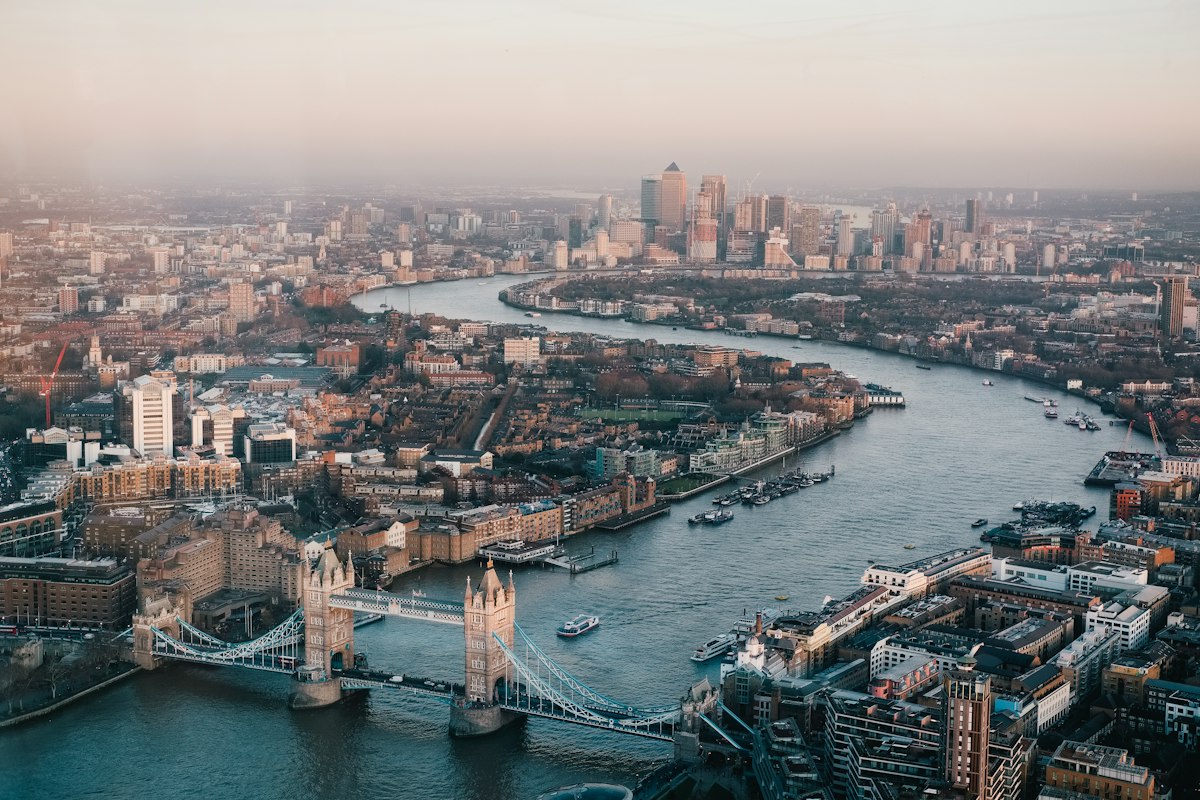
No. 05 · London, England
Three days is enough to do central London honestly. Pick three museums, two markets, one play. Take the bus, not the Tube — you'll see more. 3 days, $$$, best May–Sep. Best for: first time, museums, theatre.
-
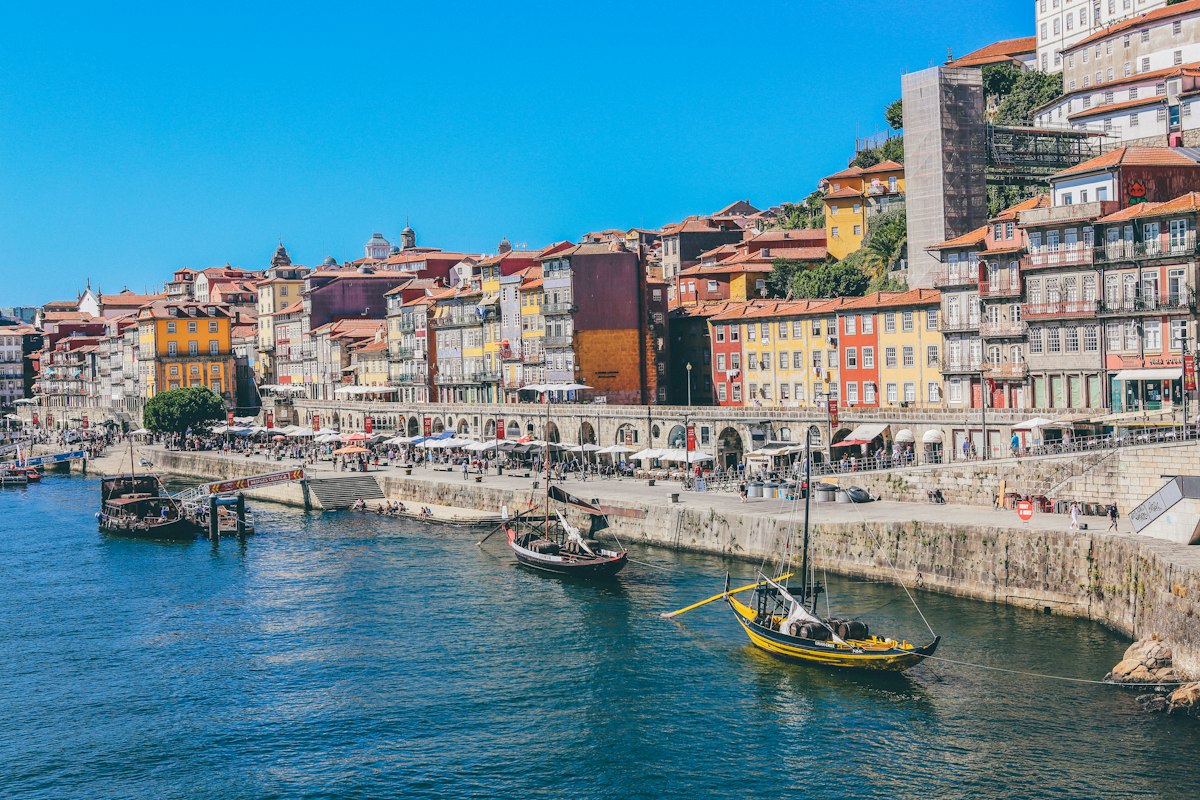
No. 06 · Lisbon, Portugal
The 28 tram, the 15E to Belém, a ferry to Cacilhas at sunset. Three days planned around public transit, not against it. 3 days, $$, best Mar–Jun & Sep–Oct. Best for: walking, cafés, easy logistics.
-
No. 07 · Mexico City, Mexico
Centro one day, Roma–Condesa the next, Coyoacán and the museums on day three. The taco at the end of each is the point. 3 days, $$, best Oct–Apr. Best for: first visit, food, museums.
-
No. 08 · Marrakech, Morocco
Three days is the right dose. The medina on day one, a riad afternoon on day two, the Atlas foothills on day three. 3 days, $$, best Mar–May & Oct. Best for: sensory, riads, day trip.
-
No. 09 · Istanbul, Turkey
Sultanahmet on day one, Beyoğlu on day two, the Bosphorus ferry on day three. Two continents, one trip, no rush. 3 days, $$, best Apr–May & Sep–Oct. Best for: first time, history, Bosphorus.
-
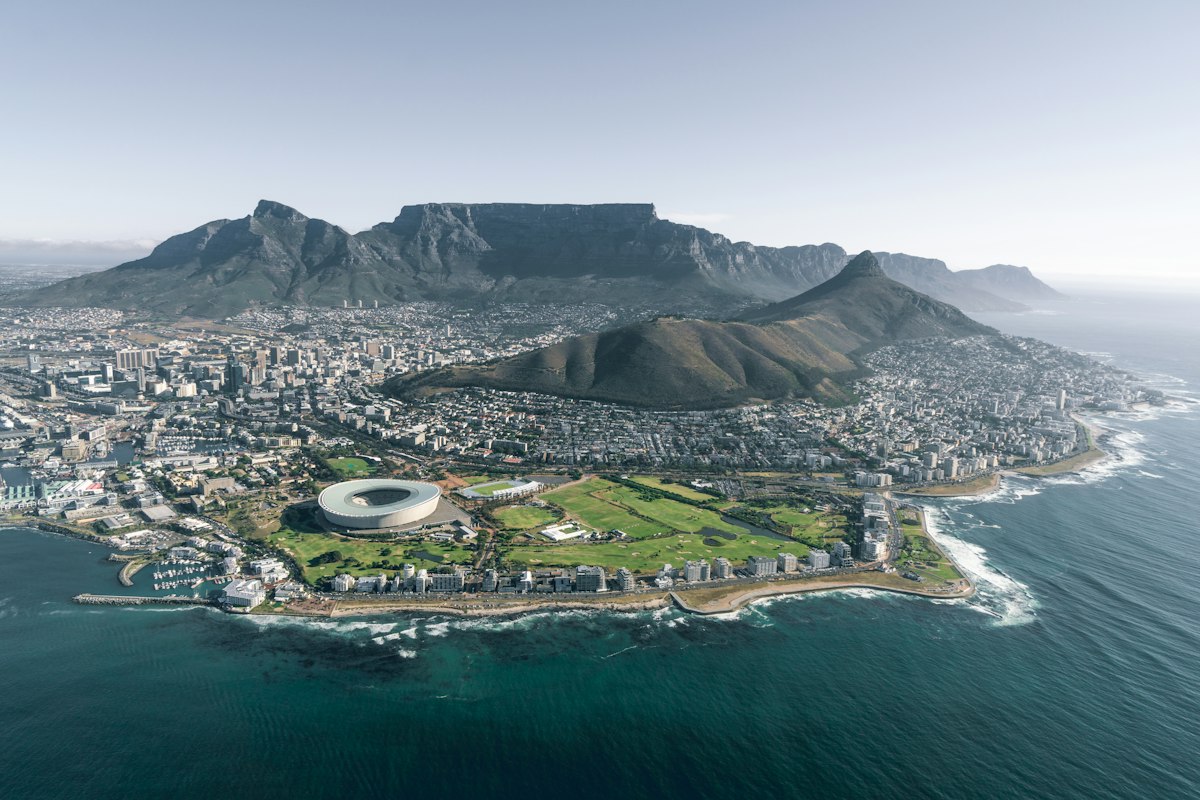
No. 10 · Cape Town, South Africa
Table Mountain at first light, the Cape Peninsula on day two, the Winelands on day three. The shortest trip with the longest views. 3 days, $$, best Nov–Mar. Best for: outdoors, wine, drives.
-
No. 11 · Seoul, South Korea
Bukchon and the palaces day one, Hongdae and Seongsu day two, a market and a bathhouse day three. Eat late. Walk more. 3 days, $$, best Apr–May & Sep–Oct. Best for: first time, food, late nights.
-
No. 12 · Prague, Czech Republic
Old Town on day one, the Castle and Malá Strana on day two, Vyšehrad and the river quarters on day three. A city that fits the form. 3 days, $$, best May–Jun & Sep. Best for: walking, architecture, cheap.









Field notes. Why three days is the form.
"The 3-day trip is not a small trip. It's a different trip. Two weeks lets you be wrong about a city and still come home knowing it; three days does not. The discipline of 72 hours forces a kind of editorial judgment most travel doesn't ask for — what's the one museum, the one walk, the one meal you'd defend? Pick those, in order, and the trip plans itself. Try to do everything, and you'll do nothing well."
The most common mistake is treating a three-day plan like a compressed one-week plan. It isn't. A one-week plan can absorb a slow morning, a missed train, a restaurant that disappoints. A three-day plan can't. So the math changes: one neighborhood, not three. One museum, not five. One booked dinner, the rest walk-ins. Land before noon on day one, leave the last morning empty.
What you protect, in those 72 hours, is the same thing every good itinerary protects: enough margin that the trip can surprise you. The plan isn't the trip. The plan is what makes room for the trip.
— Iris Mendoza, Itineraries Desk · House essay Nº 03
Eight itineraries, by character.
Same length, eight different trips. Budget, luxury, ski, business, beach, family, spiritual, adventure. Each is a complete day-by-day with a budget that holds in 2026 and a pace tested for 72 hours.
- TD-104 · Bangkok, on a budget. 3 days, by Marcus, $240. Tags: budget, street food, markets.
- TD-088 · Paris, in luxury. 3 days, by Iris, €2,400. Tags: luxury, suite, tasting menu.
- TD-112 · Whistler, ski weekend. 3 days, by Juan, CAD 1,650. Tags: ski, mountain, long weekend.
- TD-097 · Singapore, for business. 3 days, by Nia, S$1,800. Tags: business, tight schedule, hotel-first.
- TD-119 · Salar de Uyuni, desert tour. 3 days, by Iris, $420. Tags: adventure, altitude, 4×4.
- TD-091 · Tulum, beach reset. 3 days, by Juan, $950. Tags: beach, cenotes, slow.
- TD-105 · Tokyo, with kids. 3 days, by Nia, ¥185k. Tags: family, strollers, easy days.
- TD-122 · Varanasi, spiritual sites. 3 days, by Marcus, $280. Tags: spiritual, ghats, early mornings.
The 72-hour matrix.
Three days, six different shapes. Pick the row that matches the trip you want, not the trip you think you should want.
- City classic · 3 days. 24 guides. Paris, Rome, London, Prague. From $620.
- Food-led · 3 days. 11 guides. Tokyo, Mexico City, Lisbon, Seoul. From $740.
- Outdoors-led · 3 days. 9 guides. Cape Town, Whistler, Uyuni. From $480.
- Beach reset · 3 days. 6 guides. Tulum, Phuket, Lamu. From $820.
- Business stop · 3 days. 8 guides. Singapore, Frankfurt, Dubai. From $1,200.
- With kids · 3 days. 7 guides. Tokyo, Copenhagen, San Diego. From $1,150.
Eight reads, by depth.
The pieces sitting one click below this page. The first is the house essay; the rest are full city plans, hand-built. Read in order or skip to the trip you're already half-planning.
- Method · How to plan a perfect 3-day trip, without losing your mind. By Iris, 9 min read.
- Temples · Three days in Kyoto: temples, gardens, no hurry. By Marcus, 10 min read.
- Highlights · Three days in Nepal: Kathmandu and Pokhara, properly. By Marcus, 11 min read.
- Temples · Three days in Siem Reap, all the Angkor that fits. By Iris, 10 min read.
- City · Three days in Edinburgh, a long weekend that reads. By Nia, 8 min read.
- First time · Three days in Vancouver, a first-timer's plan. By Juan, 9 min read.
- Luxury · Three days in Dubai, the luxury build. By Iris, 10 min read.
- First time · Three days in Nairobi, a first-time arrival. By Nia, 8 min read.
The Itineraries desk. Three editors on the form.
Three days is the trip the desk argues about most. These are the people writing it — what they go for, and what they keep coming back to.
- Iris Mendoza · Senior Editor, Itineraries Desk · 64 field trips. "Three days is the most useful trip length we publish. It's the trip you can actually take next month — the one that fits a life."
- Marcus Lin · Field correspondent, Asia · 48 field trips. "If you can't do a city in three days, you don't know the city — you have a list. Three days forces you to choose what you actually love."
- Nia Adebayo · Field correspondent, Africa & Europe · 39 field trips. "Long weekends used to feel like compromises. Now they're the only trips I take that I remember in full."
The brief. Six tips, in order of importance.
The non-obvious things. Tested on the road, ordered by how much they matter to a 72-hour trip.
- Logistics tip — Land before noon on day one. The single biggest variable on a 72-hour trip is what time you land. A noon arrival gives you a real day one; a 10 p.m. arrival gives you 48 hours, not 72. Pay $80 more for the morning flight if you have to. The math always works.
- Lodging tip — One hotel, one neighborhood, no exceptions. On a three-day trip, every hotel change costs you four hours and a meal. Pick a neighborhood you'd be happy to walk in for breakfast, lunch, and a late drink. Stay there. Don't move. The romance of two boutique hotels in three days is a trap.
- Pace tip — One serious thing per day. No more. One museum, one neighborhood walk, one good dinner. That's the rhythm. Three-day trips fail when travelers try to do a one-week list in three days. The discipline is the whole game — what you don't do is the trip.
- Food tip — Book one dinner before you leave home. Pick the meal you want to remember and book it from your kitchen, two weeks out, for night two. Everything else is walk-ins and counters. The booked meal is the spine of the trip; the unbooked meals are the texture.
- Safety tip — Carry-on only, two cards, one extra day's clothes. Lost luggage on a three-day trip is a one-day trip. Cabin bag only, two cards in two pockets, one spare outfit packed first. The traveler who lands in Tokyo with a wheeled carry-on and a backpack has 72 working hours; the traveler with a checked bag has 60 and a story.
- Mind tip — Leave the last morning unscheduled. The last morning is when the trip becomes a memory. A coffee, a slow walk back through the neighborhood you now half-know, a small thing you hadn't planned for. Don't book a museum at 9 a.m. on day three. The point of the trip is to have one.
The questions readers send in.
- Should I try to see multiple cities in three days?
- No. Almost never. Three days punishes any plan that involves a second hotel. The trips that work in 72 hours are one-city trips: arrive well, sleep in one neighborhood, walk a lot, and leave from where you arrived. The exceptions are rail-friendly pairs an hour apart (Kyoto–Osaka, Florence–Bologna), and even then the extra city has to earn the schlep.
- How far ahead should I book a three-day trip?
- Two to three weeks is the sweet spot. Earlier than that and you can't predict weather or your own work calendar; later than that and the cheap flights are gone. The first thing to lock in is the flight that lets you land before noon on day one — every hour you save at the front of the trip is worth two at the back.
- Is three days enough to make international travel worth it?
- It depends on the time-zone math. Anywhere within five hours of you, with under three time zones of difference, three days is plenty. Anywhere with a serious flight and four-plus hours of jet lag, you're better off waiting until you have at least five days. Three days in Tokyo from New York is a romantic idea and a punishing reality.
- What's the single biggest mistake on a three-day trip?
- Over-planning the first day. People schedule a museum at 2 p.m. on the day they land, then arrive at 1, sweaty, fighting customs, and skip lunch. The fix: nothing booked on day one before 4 p.m. Walk somewhere near the hotel, eat a long lunch, take a nap, see one thing in the early evening. The trip starts on day two.
- What about flight delays — do they kill a three-day trip?
- Only if the plan was already too tight. Build the itinerary around the assumption that your inbound is two hours late and your outbound is six in the morning. That means: refundable first-night hotel, no major reservation on the day of arrival, and one pair of clothes packed in your carry-on. Trip insurance for missed connections is cheap and worth it on short trips.
- What should I actually pack for three days?
- One small bag. Carry-on only — checked luggage on a 72-hour trip is a planning failure. Bring one extra day's clothes for the delay you don't see coming, comfortable shoes you've already broken in, and a daypack you can fold flat. Everything else is a story you tell yourself about being prepared.
Plan a three-day trip that actually fits.
Open a city, copy the day-by-day, read the brief, book the flight. Seventy-two hours, no second hotel, one good story to bring back.
Open Tokyo, three days · ↑ Back to Itineraries · Back to Plan · Home
The three-day system underneath the shortlist.
Three days is not a small trip. It is a distinct planning form with its own discipline. The first-time three-day traveler needs a plan that protects the first 24 hours; the experienced three-day traveler needs a plan that knows when to stop. The food-led three-day traveler needs counter seats and a single booked dinner; the city-classic three-day traveler needs museum tickets at off-hours and a walking spine. The business three-day traveler needs the hotel two metro stops from the meeting and a credible Saturday morning. The family three-day traveler needs short walks, predictable food, and at least one nap window per day.
The city shortlist is built around those differences. Tokyo opens because it is the one city that genuinely repays a 72-hour study — the wards are different enough to act as sub-cities, the food is dense enough to anchor each day, and the public transport is honest about timing. Kyoto comes second because it teaches the form's hardest lesson: do less. Paris and Rome are third and fourth because they are the most-asked-about three-day trips, and the desk has built and walked the canonical plan for each. London earns its place because the bus system is a city tour the visitor doesn't pay extra for. Lisbon is the transit-friendly choice. Mexico City is the food-and-museums choice. Marrakech is the sensory choice with a real safety brief. Istanbul is the cross-continent choice. Cape Town is the outdoors choice. Seoul is the late-night choice. Prague is the architecture choice.
The decision rule is simple: choose the city that supports the shape of three days you actually want. If the trip is about a single great meal, choose Tokyo, Lisbon, Mexico City, or Seoul, and book the meal from home. If the trip is about a single great walk, choose Kyoto, Edinburgh, Prague, or Lisbon. If the trip is about a single great view, choose Cape Town, Istanbul, or Rome. If the trip is about a single great museum afternoon, choose Paris, London, or Mexico City. The form is the same in all six cases — one neighborhood, one booked dinner, one extra day's clothes in the carry-on — but the spine of the trip changes.
A good three-day itinerary protects the first 24 hours. It puts the traveler in a hotel two metro stops from somewhere they already wanted to walk, books a long lunch on day one rather than a serious afternoon plan, and gives the body a chance to remember what time zone it's in before the trip asks it to perform. Day two carries the weight: the booked dinner, the museum, the walk that requires a map. Day three is shorter than the traveler thinks it will be, and that's the point — the last morning is the trip becoming a memory, not the trip squeezing one more thing in.
This parent page should carry enough body to stand as the central three-day hub. It links down to city leaves like Tokyo, Kyoto, Paris, Rome, London, Lisbon, Mexico City, Marrakech, Istanbul, Cape Town, Seoul, and Prague; across to other itinerary lengths (one-week, ten-day, two-week, three-week, one-month, three-month, six-month, year); and forward into related pages on packing for a long weekend, jet-lag math, single-supplement lodging, and the booked-dinner shortlists. The crawler-visible content needs to show that architecture clearly: three days is a full planning form, not just a constraint label or a calendar window.
Where the three-day hub goes next.
The three-day hub keeps expanding into city-specific plans, character-specific builds (budget, luxury, ski, business, beach, family, spiritual, adventure), neighborhood-specific bases, and decision pages — when three days isn't enough, when three days is too many, when to add a fourth night and when to leave a day early. Tokyo is the current exemplar because it shows the format: a specific city, a clear neighborhood spine, a day-by-day rhythm, and honest notes about what the form forces you to skip. The same structure can support every other city on the shortlist without turning the page into generic destination copy.
The page also has to protect the reader from bad three-day advice. Do not tell everyone to fly red-eye and "use the morning." Do not pretend a second city is free. Do not recommend the famous restaurant when the better one is two streets over and takes walk-ins. Do not romanticize the carry-on while quietly planning around a checked bag. The useful three-day guide is calm, specific, and practical: arrive before noon, sleep in one place, book one dinner, walk far, leave the last morning empty, fly home with one good story instead of five thin ones.