THE MONEY DESK · 8 TIERS
Budget & Costs — what travel actually costs.
The honest number. Not what the blogs quote, not what the Instagram caption implies. Pick your tier — under $50, the comfortable middle, boutique, luxury, points, hidden costs, cash — and let it build from there.
38°42′N · 09°08′W · LISBON MARKET
The eight cost tiers.
Same destination, eight completely different budgets. Pick the tier and the planning becomes concrete — what you book, where you sleep, what you eat, what you skip.
-
01 · Under $50/Day — For the Ultralight Wallet
Hostels, street food, overnight buses. The tier that forces creativity and rewards patience. More people live here than admit it. 48 guides — backpacker, hostel, and street food categories.
-
02 · $50–100/Day — The Comfortable Middle
A private room, a sit-down lunch, one nice dinner a week. The most researched tier — it rewards the traveler who plans. 62 guides — the largest category on the site. Mid-range and private-room categories.
-
03 · $100–200/Day — Most of Us, If We're Honest
Boutique hotels. Sit-down every meal. Taxis when you're tired. The tier that doesn't require you to justify every coffee. 44 guides — boutique and comfort categories.
-
04 · Luxury ($200+/Day) — The Once-in-a-Life Tier
Five-star. Private transfers. The trips you talk about for years. We are not here to talk you out of it. 31 guides — five-star, private, and splurge categories.
-
05 · Points & Miles — The Parallel Currency
Free flights. Free hotels. The system that rewards the organized. It is learnable. We wrote the manual. 27 guides — rewards, credit cards, and redemption strategy categories.
-
06 · Hidden Costs — What Nobody Warns You About
Visas. Checked bags. Transit cards. The gear you forgot. The costs that arrive after you have already said yes. 19 guides — visas, gear, and transit categories.
-
07 · Currency & Cash — Carry, Withdraw, Survive
ATM fees abroad. The exchange rate they do not advertise. Which card to carry. How much cash, always. 22 guides — ATMs, exchange, and card categories.
-
08 · Saving Before You Go — The 12-Month Build-Up
The sinking fund. The slow accumulation. The moment a trip stops being hypothetical. Start twelve months out; most people start three. 16 guides — sinking fund and pre-trip finance categories.






Field notes on travel money.
From the desk that has read every budget breakdown post and found most of them wrong. The pattern that actually holds.
"A budget is not a constraint. It is the shape of your week. Get it wrong and you spend three days anxious about the bill." — Celia Hartmann, Senior Editor, Budget Desk.
Most travel budget guides quote a number and stop there. Eighteen dollars a day in Thailand, they say — as if that number is a fixed law, as if Thailand in 2026 is Thailand in 2016, as if a hostel dorm in Chiang Mai is the same experience as a guest house in Bangkok.
The number is not the point. The tier is the point. When you understand which tier you are actually in — not which tier you wish you were in — the planning gets honest. You stop comparing yourself to itineraries you are not actually going to recreate.
The most common mistake is underestimating by one tier. People planning for $70/day end up spending $110 because they did not account for the restaurant they chose when they were tired, the taxi they took because the bus was confusing, the attraction they had not priced. Budget for who you are on your worst travel day, not your best one.
The second most common mistake is not separating per-day spend from total trip cost. A six-week trip at $60/day is still $2,520. Add flights, travel insurance, pre-trip gear, and one visa — and the actual outlay is closer to $4,800. Do both calculations. Always.
The tier system is not about judgment. A $35/day backpacker and a $400/day luxury traveler are both making rational decisions for their circumstances. The goal of the tier framework is to stop you from planning for one and arriving at another.
A final note on destination variance. The same tier looks completely different by geography. The $50–100 mid-range tier buys a very comfortable private room and three restaurant meals a day in Southeast Asia. In Scandinavia, that same $100 covers one night in a budget hotel and two meals. The tier is a relative concept, not an absolute number. That is why every guide on this site quotes both the tier and the destination. Read them together.
There is also a temporal dimension that most budget guides ignore entirely. Prices change. A destination that was a $40/day destination five years ago may be a $65/day destination today because of inflation, increased tourism infrastructure, or currency shifts. Always date-check the budget you are reading against. A guide written in 2020 is not a guide for 2026, regardless of how well it was written.
The points and miles tier deserves a word apart, because it operates on a completely different logic. It is not a budget tier in the traditional sense — it is an arbitrage tier. You are converting accumulated credit card spend and loyalty points into travel inventory at a rate the open market does not offer. A first-class flight that retails for $8,000 might cost 110,000 points, and those points might have cost you $1,200 in annual fees and spending thresholds. The math is not always that clean. But when it is, there is nothing else like it. The guides in this section are built around teaching the system, not the tricks.
Hidden costs deserve equal treatment to the named tiers, because they are the most reliable budget-wreckers of all. Visa fees for a multi-country itinerary can add $200 to $400 before you board the first flight. Checked baggage fees on budget carriers frequently exceed the cost of the ticket. Travel insurance — the kind that actually covers medical evacuation — runs $80 to $150 for a standard two-week trip and is non-negotiable for any destination with limited medical infrastructure. None of these appear in the per-day calculation. All of them affect the real cost of the trip.
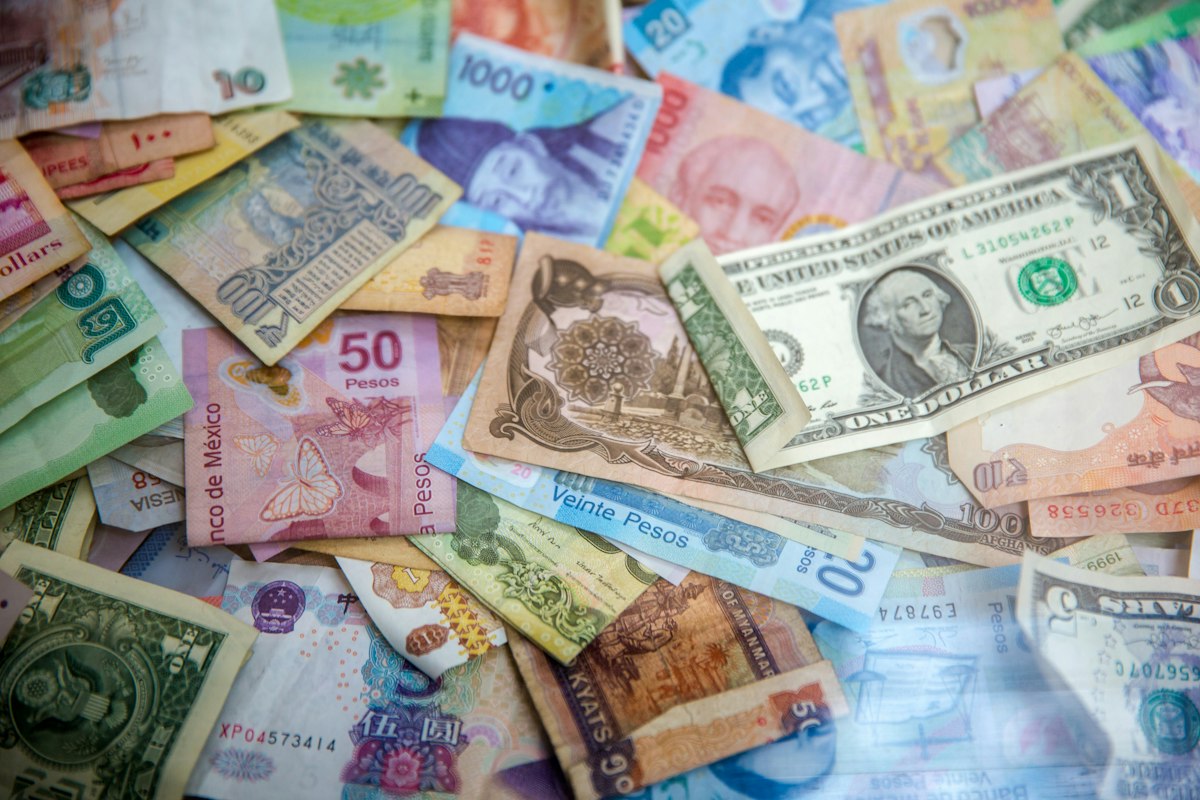
Currency management is its own discipline. ATM withdrawal fees, foreign transaction fees on cards that charge them, and the spread built into airport exchange rates can collectively add 8 to 12 percent to every transaction. One good no-fee card — and there are several, widely available — eliminates most of this. It takes thirty minutes to apply for one before you leave. It is worth thirty minutes.
- $2,100 — average 14-day trip underestimate, across 890 reader surveys.
- 73% — travelers who exceed their first-draft budget on trips of one week or longer.
- 1.4x — actual vs. planned spend, median multiplier across all tiers.
- 8.7 / 10 — reader rating across the budget essay set this season.
- $340 — average value of points redeemed per reader in the points and miles category, per booking.
- 12% — average additional cost from currency conversion fees for travelers without a no-fee card.
The Daily-Spend Index — where the money actually goes.
Five categories account for 100% of daily spend. Most people track two of them. Here is the real breakdown — by category, by percentage, and by what happens when you stop watching one.
- Accommodation — where you sleep sets the floor.
- Accommodation typically accounts for 35 to 50 percent of total daily spend. A shift from hostel dorm to private room adds $20 to $30 per day in most markets. From budget hotel to boutique adds another $60 to $80. 40% of daily spend on average.
- Food — three meals a day, two tiers.
- Street food and local markets: $8 to $15 per day. One sit-down meal a day adds $15 to $25. Full restaurant days run $40 to $70 or more in developed markets. The biggest swing variable in any budget. 28% of spend, or 55% if you always sit down.
- Transport — the cost of moving.
- Local transit, airport transfers, intercity buses. Taxis add up faster than flights. A month of Ubers can cost more than the original plane ticket. Track it from day one. 18% of daily budget, but spikes on travel days.
- Activities — the reason you went.
- Museum entries, guided tours, diving certificates, safari game drives. Activities are where budgets break down because they feel optional until you are standing outside the thing. Price them in advance. 14% budget average, up to 40% on activity-heavy trips.
- The Miscellaneous Line — budget for the line you cannot name.
- SIM cards. Laundry. Sunscreen at airport prices. The souvenir you did not plan. The pharmacist. A $20 emergency umbrella. Call it $12 to $25 per day and stop arguing with it. $15 per day is a reasonable miscellaneous buffer.
The categories do not change by destination. The percentages do — dramatically. A street-food city and a restaurant city look nothing alike when you run the numbers.
Quick-reference: tiers by destination type.
The same daily budget buys radically different experiences depending on where you are. This table shows approximate daily spend in USD across three destination types, for each of the four named spend tiers. Figures are 2026 estimates for a solo traveler; couples sharing accommodation typically see 25 to 35 percent savings on the accommodation line.
- Budget tier — Under $50/Day
- Southeast Asia: $20–35/day — hostel dorm, street food, local buses, one beer. Latin America: $28–45/day — guesthouse dorm or shared room, market meals, chicken buses. Western Europe: $45–55/day only in the cheapest cities (Lisbon, Prague, Krakow); not achievable in Scandinavia, Switzerland, or London without significant compromise.
- Mid-range tier — $50–100/Day
- Southeast Asia: $50–75/day — private guesthouse room, two restaurant meals, comfortable local transit, one activity. Latin America: $55–85/day — private room in a good hostel or budget hotel, sit-down lunch and dinner, occasional taxi. Western Europe: $80–120/day in Southern and Eastern Europe; this tier is difficult but achievable in Paris or Amsterdam if accommodation is controlled.
- Comfort tier — $100–200/Day
- Southeast Asia: $90–140/day — boutique guesthouse, all restaurant meals, tours, domestic flights on multi-stop trips. Latin America: $100–160/day — three-star hotel, all meals out, private transport for day trips. Western Europe: $130–200/day — mid-range hotel or well-reviewed Airbnb, restaurant meals twice a day, museum entries, intercity trains.
- Luxury tier — $200+/Day
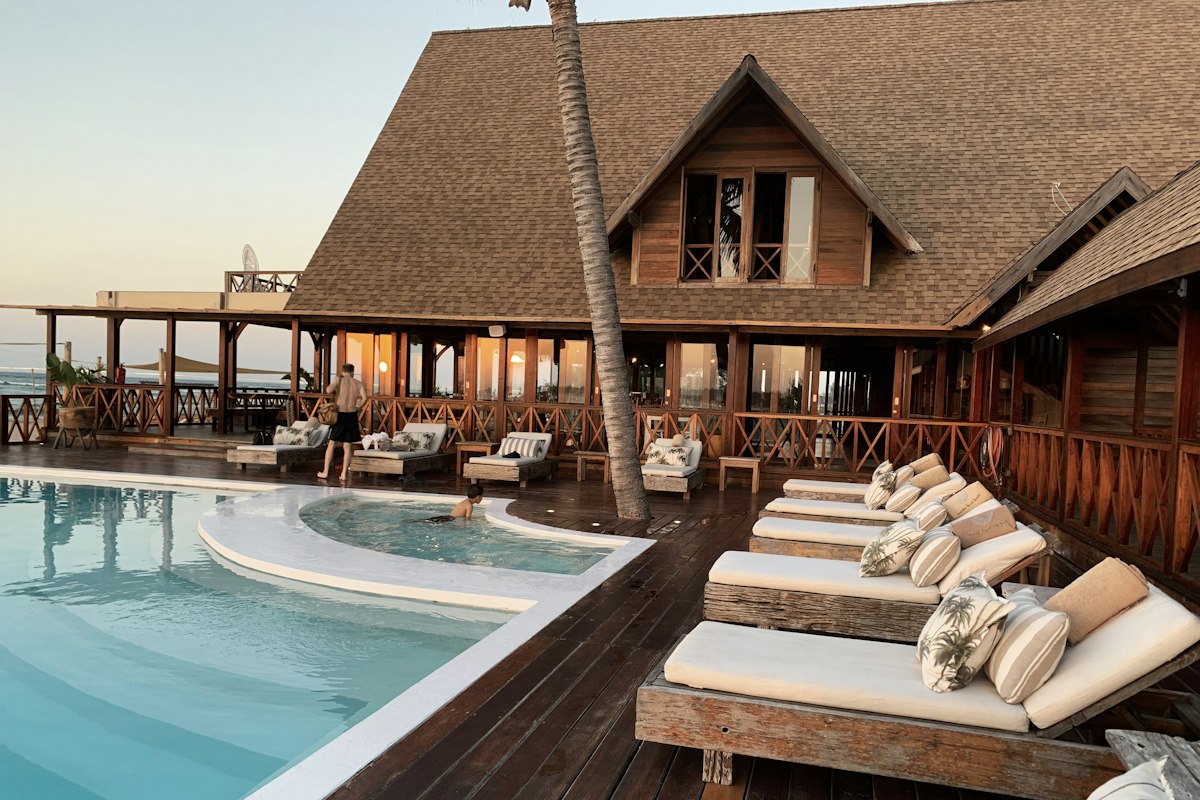
- Applicable globally. In Southeast Asia, $200/day accesses genuine five-star resort experiences. In Western Europe, $200/day covers a four-star hotel, three restaurant meals, and entrance fees; true luxury (Michelin dining, five-star city hotels) begins at $350 to $500/day. Safari destinations in East Africa typically run $400 to $800/day all-in at reputable camps; budget options exist but meaningfully compromise the experience.
These figures exclude international flights, travel insurance, pre-trip gear purchases, and visas. Add those costs to the total trip budget separately, not to the daily rate — they are fixed costs that do not scale with trip length in the same way.
Not sure? Pick four answers.
Four small questions. We will point you at the right tier. Useful when you are honest with yourself about the answers. 90 seconds. No email.
- Your accommodation preference… Hostel dorm · Private budget · Boutique hotel · Five-star.
- You eat… Street food only · Mix of both · Mostly sit-down · Wherever I want.
- Trip length… Under a week · 1–2 weeks · 3–4 weeks · A month or more.
- This trip is… A tight year · A normal year · Treating myself · Once in a life.
Click an option in each row and the recommendation updates as you go. Change your mind whenever — there is no submit button. Your tier is yours.
The reading list for the money desk.
Six essays from the budget and finance section. Each one is a method, not a manifesto.
- The Daily-Spend Framework. Method, 12 min read.
- How to Book a Business-Class Flight for Free (Without Flying Constantly). Points, 9 min read.
- The Twelve Costs Nobody Puts in the Budget. Hidden, 8 min read.
- ATMs Abroad. The Card That Costs Nothing. Currency, 6 min read.
- The Sinking Fund Method, Explained. Saving, 10 min read.
- When Spending More Is Actually Spending Less. Luxury, 7 min read.
Frequently — but quietly — asked.
- What daily budget should I plan for my first trip?
- Start with the destination's mid-range: that is usually the $50–100/day tier for Southeast Asia, $80–140/day for Western Europe, and $60–120/day for Latin America. Budget 20% more than your estimate — not because you will necessarily spend it, but because first trips always surface costs you did not anticipate. Gear, visa photos, airport transfers, the taxi when you are exhausted.
- Do points and miles work if I do not fly constantly?
- Yes, with different mechanics. Frequent-flier miles require volume. But credit card transferable points — Chase Ultimate Rewards, Amex Membership Rewards, Capital One Miles — accumulate on everyday spend: groceries, subscriptions, gas. One international business-class redemption can be worth $3,000 at 60,000 points. You do not need to be a road warrior to get there in 18 months.
- What is the single biggest hidden cost people miss?
- Travel insurance — specifically, the gap between what they think it covers and what it actually does. Medical evacuation from a remote destination can cost $80,000. Most people's credit card travel insurance does not include that. Read the policy. The premium for a three-week trip rarely exceeds $120. The evacuation bill can exceed a year's salary.
- Is luxury travel worth it?
- On certain trips, for certain people, absolutely. The question to ask is not whether the price is high — it is whether the alternative is worse. Crossing Southeast Asia in comfort at 60 is different from crossing it on a budget at 25. Bucket-list trips to remote destinations often require a lodge price that includes access, guiding, and conservation fees you cannot separate out. Worth is not universal. Context is everything.
- How far in advance should I start a travel savings fund?
- Twelve months is the honest answer. Eighteen months is better. Most people start three months out and end up spending money they had earmarked for something else. A dedicated sinking fund — a separate account, automatic monthly transfer, named Portugal 2027 — removes the willpower problem. The act of naming the fund is more powerful than the interest rate.
Set the number. Plan everything else.
The tier is the frame. Everything else — where you sleep, what you eat, which train you take — follows from it. Choose yours and the rest gets easier.