A FIELD GUIDE · 740 GUIDES · 48 COUNTRIES · 1,400 CONTRIBUTORS · ISSUE Nº 15 · SPRING 2026
A field guide to Asia.
740 guides. 48 countries. 1,400 contributors who actually went. An editorial atlas to monsoons, mountains, megacities, and the slow boats in between. Region by region, season by season — the way Asia actually works. Updated 25 April 2026 from the Field Desk in Bangkok.
- 740 field guides
- 48 countries
- 284 UNESCO sites
- 1,400 contributors
Quote from the editor: Asia rewards staying still — one city for a week beats five cities in a week, every time the wind picks up. — Theo Nakamura, Senior Editor · Asia.
A letter from the Field Desk.
By Theo Nakamura, Senior Editor for Asia. Issue Nº 15, Spring 2026.
Asia is not one place. It's the temptation everyone falls into the first time — to plan a "two-week Asia trip" the way you'd plan a two-week Europe trip. Forty-eight countries, four time zones, more languages than the Americas and Europe combined. The continent doesn't reduce to a list of cities. It reduces, if anything, to a list of regions. The Asia worth writing about is the patient one. The one you find by giving Tokyo a week, Hanoi five days, Kyoto more than three. By taking the train when the flight is faster, because the train is the country. By staying long enough that the breakfast vendor knows your order. Two cities a week, max. This page is the manual we wished existed when we started — everything we'd send a friend before their first Asia trip, and a few things only useful on the fifth.
How to use this issue.
Read it like a magazine. Skim the chapter heads, dip into whatever pulls at you. Twelve chapters in order: destinations, regions, when to go, itineraries, food, transport, budget, language, festivals, neighborhoods, packing, and the FAQ. The links inside take you to specific guides — 740 of them — for the deep work.
Twelve destinations, sorted honestly.
Asia's countries by how many guides we have, not by GDP or alphabet. Featured below: the country we have written about for the longest, and the one most readers underestimate. Click any tile for the full sub-atlas — or jump straight to the directory at /en/plan/itineraries/asia.
-
Japan — Tokyo — 112 guides — 10 to 14 days
The most-requested country we cover, and the one most readers underestimate. Honshu alone is four climates, Tokyo and Kyoto are not interchangeable, and the Shinkansen is the trip. Plan for one city, not five — or take three weeks and do it right.
Thailand — Bangkok — 78 guides — 10 to 14 days
Bangkok plus Chiang Mai plus one island. Skip Phuket; go to Koh Lanta or Koh Yao Noi. Songkran in April if you can stand getting wet.
Vietnam — Hà Nội — 64 guides — 12 to 18 days
Hanoi to Ho Chi Minh by reunification train is the country. Hoi An in the middle, three nights minimum. Pho is breakfast, never dinner.
India — New Delhi — 71 guides — 14 to 21 days
Pick one region, never the country. Rajasthan for first-timers, Kerala for second-timers, the Northeast for the fifth visit.
Indonesia — Jakarta — 56 guides — 10 to 18 days
Bali is the gateway, not the destination. Yogyakarta, Lombok, Komodo, Flores — the islands beyond Bali are the trip.
China — Beijing — 48 guides — 14 to 21 days
High-speed rail makes a four-city trip trivial. Beijing, Xi'an, Chengdu, Shanghai. Apply for the e-visa at least 4 weeks out.
Nepal — Kathmandu — 32 guides — 10 to 18 days
Two-week trek windows in spring and autumn. Annapurna circuit for the views, Everest base camp for the bragging rights.
Sri Lanka — Colombo — 28 guides — 10 to 14 days
Colombo, Kandy, Ella, Galle. The hill-country train is the best four dollars you'll ever spend. Avoid the southwest monsoon.
Cambodia — Phnom Penh — 24 guides — 5 to 10 days
Angkor Wat at sunrise is everything. Two days minimum at the temples. Phnom Penh deserves three nights, not the day-stop most itineraries give it.
South Korea — Seoul — 41 guides — 7 to 10 days
Seoul plus Busan plus a third city. Jeonju for food, Gyeongju for history. The KTX is fast, frequent, and cheap.
Singapore — Singapore — 22 guides — 3 to 5 days
A long weekend. Hawker centers, Botanic Gardens, the Esplanade walk at dusk. Tiong Bahru beats Marina Bay for a base.
Bali — Denpasar — 38 guides — 7 to 14 days
Ubud and the east coast. Skip Kuta and Seminyak unless you want crowds. Canggu if you must, Amed if you know.
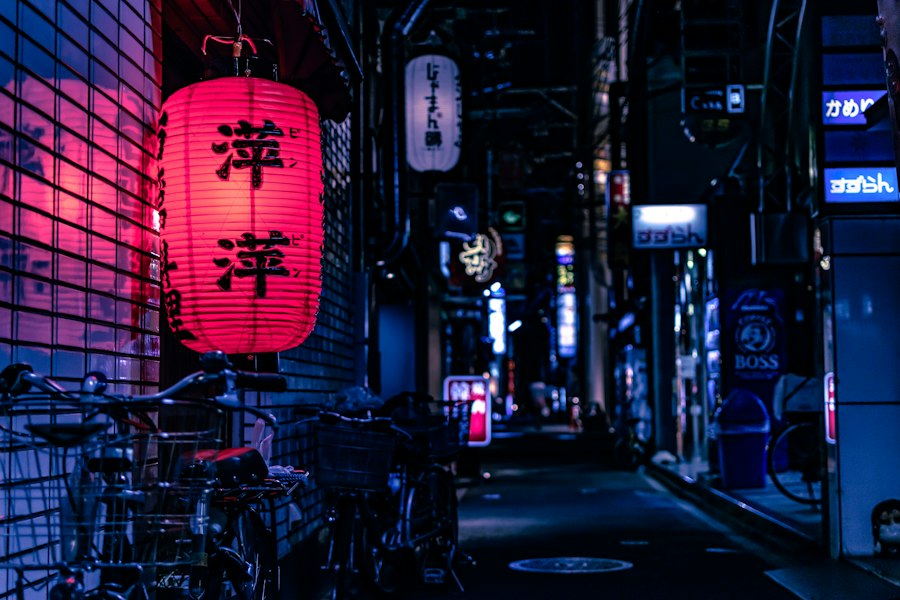
The continent in five clusters.
Borders are political; weather and food are not. We group Asia the way travelers actually move through it — by climate, by season, by table.
01. Southeast Asia.
The region most readers see first — beaches, street food, slow boats, and the cheapest comfort travel on earth. Best November through February when the rains thin out.
- Mekong loop. Chiang Mai, Luang Prabang, slow boat to Pakbeng. Two-week pace, almost flightless. November to January.
- Vietnam end-to-end. Hanoi to Ho Chi Minh by reunification train. Saigon is the warmest city for January light. January to March.
- Indonesian shoulder. Bali, Lombok, Yogyakarta in shoulder months. Half the surf crowd, full the sun. April, May, October.
02. Northeast Asia.
Japan, Korea, Taiwan, eastern China. The most efficient transport on the planet, and the most layered cities. Spring sakura and autumn maples are non-negotiable seasons.
- Cherry blossom front. Kyoto and Hiroshima first, Tokyo five days later. Don't chase the front — plan one city deep. March, April.
- Maple corridor. Kyoto to Seoul via ferry. Eight days of red leaves and onsens cooling toward winter. October, November.
- Taipei plus Hong Kong. Two cities, one week. Night markets, MRT, dim sum — the best urban combo in Asia. September, October.
03. South Asia.
India, Sri Lanka, Nepal, Bhutan, Bangladesh. The biggest, loudest, most rewarding region. Monsoon-driven; plan around June to September wet seasons.
- Rajasthan triangle. Delhi, Jaipur, Udaipur, Jodhpur. Two weeks, palaces, trains, dust — everything you came for. October to December.
- Sri Lanka loop. Colombo, Kandy, Ella, Galle. The hill-country train is the best four dollars you'll ever spend. January, February.
- Annapurna or Everest. Two-week trek windows. Spring blooms; autumn skies. December to February is too cold above 4,000m. March, October, November.
04. Central Asia.
Uzbekistan, Kyrgyzstan, Kazakhstan, Tajikistan. The Silk Road, finally easy to travel. Visa-free for most passports since 2019. Cheap, dramatic, almost crowdless.
- Silk Road cities. Tashkent, Samarkand, Bukhara, Khiva. High-speed rail makes a 7-day loop possible. April, May, September, October.
- Tien Shan summer. Bishkek to Almaty via Issyk-Kul. Yurts, alpine lakes, the cheapest mountains on earth. July, August.
- Pamir Highway. The world's second-highest road. Five days from Dushanbe to Osh — a 4WD trip, not a bus. September.
05. The Islands.
Indonesia, Philippines, Sri Lanka, Maldives, Andamans. Asia's archipelago belt — over 25,000 islands, dozens worth a week each.
- Palawan plus Siargao. Two islands, one trip. Boat-hopping in El Nido, surf check in Cloud 9. The Philippines secret. March, April, November.
- Komodo plus Flores. Lombok and east — fewer crowds than Bali, harder to reach, twice the reward. April, May, June.
- Indian Ocean dry season. Maldives atolls or south Sri Lanka coast. The dry-monsoon window is reliably perfect. December, January, February.
When to go — monsoons and seasons.
Shoulder season isn't a single month, and it's reversed in Central Asia. Here is the year, region by region — peak (P), shoulder (S), low or wet (L), festival (F).
- Southeast Asia. Peak Nov–Feb. Shoulder Mar, Sep–Oct. Wet Apr–Aug. Songkran festival pulse mid-April.
- Northeast Asia. Peak Mar–Apr (sakura), Oct–Nov (maple). Shoulder May, Sep. Cold low Dec–Feb.
- South Asia. Peak Oct–Nov, Jan–Feb. Wet monsoon Jun–Sep. Diwali festival in November.
- Central Asia. Peak May–Sep. Shoulder Apr, Oct. Closed-feeling Nov–Mar.
- Islands. Peak Nov–Feb. Wet monsoon May–Oct in most archipelagos. Shoulder Mar, Apr.
November is the best month.
The southwest monsoon has lifted, the northeast hasn't arrived in force, and most of the continent sits in a 24 to 30 degree Celsius window. Crowds haven't peaked yet — that comes mid-December. 24 to 30 °C. Dry monsoon.
Skip Asian summer.
June through September is wet across most of Southeast and South Asia, and brutally hot in the north. Central Asia is the exception — it's the only window when the Pamirs and Tien Shan are passable. 35°C plus humid. Go Central.
Cherry blossoms move north.
The sakura front starts in Kyushu (mid-March) and reaches Hokkaido (early May). Don't chase it — plan one city deep, not five shallow. Hanami is best when you stay still. Mar 25 to May 5. Plan one city.
Six itineraries worth stealing.
The plans we'd send to a friend, road-tested and updated each spring. Click for day-by-day. The full library lives at /en/plan/itineraries/asia.
14 days — Tokyo to Kyoto, the proper way.
The Japan trip we'd send a friend on. Trains, hot springs, two cities deep, and one week in between. Cost tier $$$. Built by Hana, March 2025.
- Tokyo — 4 nights. Land late, ramen in Shinjuku, walk Yanaka at dawn.
- Hakone — 1 night. Onsen ryokan, the open-air museum, the train back.
- Kanazawa — 2 nights. Kenrokuen at first light, Omicho market for lunch.
- Kyoto — 4 nights. Walk Higashiyama at sunrise; eat in Pontocho at dusk.
- Osaka return — 2 nights. Dotombori, takoyaki, the Shinkansen back to Tokyo.
21 days — Bangkok to Hanoi, by land.
Three weeks, three countries, mostly trains and slow boats. The classic Mekong overland. Cost tier $. Built by Theo, January 2025.
- Bangkok — 3 nights. Chinatown, the river, the night train north.
- Chiang Mai — 3 nights. Cooking class, Doi Suthep, the slow border crossing.
- Luang Prabang — 3 nights. Alms at dawn, Kuang Si waterfall, the slow boat.
- Vientiane — 1 night. Mekong sunset, Beerlao, the bus to Vinh.
- Hanoi — 5 nights. Old Quarter, Halong Bay overnight, banh cuon for breakfast.
10 days — Rajasthan, the golden triangle plus.
Delhi, Agra, Jaipur, Udaipur. The four-fort run with one good train and one regrettable car. Cost tier $$. Built by Priya, November 2025.
- Delhi — 2 nights. Old Delhi at dawn, Chandni Chowk for lunch, Khan Market for dinner.
- Agra — 1 night. Taj at sunrise; baby-corn for lunch; the train back.
- Jaipur — 2 nights. Amber Fort, the pink city walk, dinner at 1135 AD.
- Udaipur — 3 nights. Lake Pichola, the City Palace, sunset from the rooftops.
- Mumbai — 2 nights. Colaba, the Gateway, the redeye home.
Three more, by tag.
- 10 days, Bali plus Lombok. Ubud, east coast, ferry to Lombok, Gilis. Built by Wayan, May 2025.
- 14 days, Sri Lanka loop. Colombo, Kandy, Ella, Galle, Mirissa. Built by Linh, February 2025.
- 9 days, Silk Road. Tashkent, Samarkand, Bukhara, Khiva. Built by Aigerim, September 2025.
Food and drink, country by country.
One immutable rule per country. Order this, eat that way, never make the obvious mistake.
- Nippon — Slurping is correct. Ramen, soba, udon — silence is rude. Pull air across the noodles to cool them and signal pleasure to the cook. Pair: tonkotsu ramen with Asahi Super Dry.
- Thai — Order with a fork and spoon. Chopsticks are for noodle dishes only. Fork pushes onto spoon; spoon goes to mouth. Always. Pair: pad krapow with Chang.
- Việt — Pho is breakfast. Stand-up bowls at 7am, served before banks open. The afternoon stalls are never quite the same. Pair: pho bo tai with ca phe da.
- Bharat — Eat with your right hand. Left hand is unclean. Tear roti with the right, scoop curry, deliver. Practice before leaving. Pair: dal makhani with lassi.
- Hanguk — Banchan refills are free. The little side dishes — ask for kimchi, or just point. They keep coming. Pair: bibimbap with soju.
- Zhongguo — Tea is poured for elders. Two-finger tap on the table equals thank you. Originated in Guangzhou; works nationwide. Try it. Pair: xiaolongbao with Pu'er.
Bullet trains, sleepers, and tuk-tuks.
Asia has the fastest trains on earth (Japan, China) and some of the slowest (Vietnam reunification, Indian Railways). Both are worth the seat. The Shinkansen is the trip — Tokyo to Kyoto in 2h 13m, no security, no transfer. China's high-speed rail is now equal in coverage. Japan Rail Pass is worth it for trips with 3+ Shinkansen segments — otherwise IC card pay-as-you-go. Sleeper trains in Vietnam, Thailand, India are part of the experience, not just transit. Book lower berths in second-class AC for Indian Railways; soft sleeper for Vietnam reunification. Avoid night buses in mountain countries; switch to flights between major Indonesian and Philippine islands.
Door-to-door comparison.
- Tokyo to Kyoto — train 2h 13m, plane 1h 30m (plus 3h logistics).
- Beijing to Shanghai — train 4h 18m, plane 2h 15m.
- Bangkok to Chiang Mai — train 11h 30m (overnight sleeper), plane 1h 20m.
- Tashkent to Samarkand — train 2h 10m, plane 0h 50m.
- Hanoi to Da Nang — train 16h 30m (overnight), plane 1h 25m.
Six routes worth knowing.
- Tokyo TYO to Kyoto KYT — 2h 13m, 78 trains/day.
- Beijing BJN to Shanghai SHA — 4h 18m, 44 trains/day.
- Hanoi HAN to Saigon SGN — 33h 00m, 5 trains/day.
- Bangkok BKK to Chiang Mai CNX — 11h 30m, 6 trains/day.
- Tashkent TSK to Samarkand SMK — 2h 10m, 12 trains/day.
- Mumbai BOM to Goa GOI — 11h 15m, 8 trains/day.
Three budgets, three trips.
What 35, 120, and 320 dollars a day actually buys in 2026. Country-adjusted notes inside each tier — Tokyo and Bangkok are not the same number.
Frugal — 35 dollars a day. Hostel, hawker stalls, second-class.
Bed 8 to 18 dollars. Food 8 to 14 dollars. Transit 4 to 8 dollars. Sights 5 dollars. Realistic across SEA, India, Nepal, Central Asia. Tight in Japan, Korea, Singapore.
Comfort — 120 dollars a day. Three-star hotel, sit-down dinners, AC trains.
Bed 45 to 80 dollars. Food 25 to 40 dollars. Transit 15 to 25 dollars. Sights 20 dollars. The honest middle. Where most readers actually spend across SEA and South Asia.
Editorial — 320 dollars a day. Boutique ryokans, Michelin sushi, sleeper first-class.
Bed 160 to 260 dollars. Food 80 to 130 dollars. Transit 40 to 70 dollars. Sights 30 dollars. Doable everywhere; doubles fast in Japan, Singapore, and the Maldives. Plan the splurge dinner first.
Five phrases per country.
The four words that open every door, and the one that gets the bill. Try them; locals notice — and the script alone often earns a smile.
- Japan. Konnichiwa. Arigatō gozaimasu. Sumimasen. O-kaikei kudasai (the bill, please).
- Thailand. Sa-wat-dii. Khop khun. Mai phet (not spicy — they will ignore this). Kep tang.
- Vietnam. Xin chào. Cảm ơn. Tính tiền. Một bia (one beer).
- India. Namaste. Dhanyavaad. Bill, please. Kitne ka hai (how much).
- South Korea. Annyeong haseyo. Kamsahamnida. Gye-san-hae juseyo. Soju han byeong.
- Indonesia. Selamat pagi. Terima kasih. Minta bill. Berapa harga (how much).
- China. Nǐ hǎo. Xièxie. Mǎi dān. Duōshǎo qián.
- Sri Lanka. Ayubowan (long life). Stuti. Bila denna. Mokakda.
Festivals worth a detour.
Six dates that bend an itinerary. Book early; some sell out a year ahead, and lunar dates shift between calendars.
- Lunar New Year — Vietnam, January. Tết, the country resets. Hanoi empties, families gather, businesses close for a week. Beautiful if you have a host; lonely if you don't. Four stars.
- Lantern Festival — Pingxi, February. Sky lanterns, by the thousand. Taiwan's Pingxi line releases lanterns on the 15th day of the lunar new year. Trains run all night. Five stars.
- Holi — India, March. A day of color. Start in a smaller town like Pushkar — Delhi and Mumbai get aggressive. Pack a white shirt that will not survive. Five stars.
- Songkran — Thailand, April. The biggest water fight on earth. Three days of street-soaking in Chiang Mai. Every phone in a waterproof bag. Every stall a battle station. Five stars.
- Obon — Japan, August. Lanterns, ancestors, drums. Mid-August, hometown Bon-odori dances. Gokayama is the most photogenic, Kyoto the most accessible. Four stars.
- Diwali — India and Nepal, November. The festival of lights. Five nights of fireworks, oil lamps, sweets. Varanasi on the Ganges is the editorial pick — Jaipur is more photogenic. Five stars.
Six neighborhoods we trust.
Stay here. Eat here. Walk for two days before you do anything else.
- Shimokitazawa — Tokyo. Vintage shops, indie venues, no high-rises. The Tokyo for people who don't like Tokyo. 7 minutes from Shibuya by Inokashira line. Why: vintage, music.
- Bukit Bintang — Kuala Lumpur. Skip the shopping malls; the Jalan Alor hawker street is the meal that makes the trip. Order satay last. Why: hawker, late.
- Old Quarter — Hà Nội. Thirty-six streets named for what was once sold there. Eat phở on plastic stools, drink bia hơi at 5pm. Why: old town, phở.
- Bandra West — Mumbai. The city's creative core — bookshops, brutal humidity, and the best brunch scene in India. Avoid 11pm to 1am. Why: creative, cafés.
- Bukchon — Seoul. Six hundred preserved hanok houses on a hill, between two palaces. Walk early — by noon it's all tour groups. Why: hanok, quiet.
- Canggu — Bali. Where Ubud's yoga crowd meets Seminyak's surf crowd. Rice paddies still exist if you go five minutes inland. Why: surf, slow.
What to pack for heat and humidity.
The packing list that fits in a 40L carry-on, in any season except a Pamir trek. Trade jeans for linen; bring one extra layer for AC trains.
Heat and humidity, one bag.
- Lightweight linen or cotton shirts ×3.
- Quick-dry trousers, one pair.
- One sarong (towel, sheet, modesty layer).
- Sandals you can walk 8km in.
- Long-sleeve shirt for temples and AC trains.
- Reef-safe sunscreen in solid stick form.
- Insect repellent with 30% DEET.
- Modest scarf for women (covered shoulders).
- Tip: buy a sarong on day one, use it for everything.
Trains, sleepers, tuk-tuks.
- 40L carry-on backpack — fits most Asian airlines.
- Universal Type-A/C/D/G plug adapter (Asia varies).
- Power bank under 20,000 mAh (airline limit).
- Reusable bottle with built-in filter (Lifestraw).
- Compression cubes — three small, never one big.
- Padlock for hostel lockers, train berths.
- Slim cash belt for sleeper trains.
- Earplugs (sleepers, 4am temple bells).
- Tip: pack one extra pair of socks for high-altitude treks.
What to leave home — the 'just in case' pile.
- Heavy denim jeans (humid death).
- More than two pairs of shoes.
- Hairdryers (every hotel has one).
- Half-empty toiletries (buy fresh in country).
- More than one 'nice outfit'.
- Cash above $300 USD equivalent.
- Drone (illegal in many SEA countries).
- Anything dry-clean only.
- Tip: leave 25% of the bag empty for tea, spices, textiles.
The questions, answered.
The eight questions every reader sends before a first Asia trip. Updated April 2026.
- When is the actual best time to go to Asia?
- November through early March for the bulk of the continent — Southeast Asia, South Asia, southern China. The southwest monsoon has lifted and the heat hasn't returned. For Japan and Korea, March–April (cherry blossoms) and October–November (maples) are the iconic windows. Central Asia is the inverse — June through September is the only dry window for the Pamirs and Tien Shan.
- Do I need vaccinations or anti-malarials?
- Hepatitis A, typhoid, and tetanus are the universal three for any Asia trip. Japanese encephalitis is recommended for rural SEA stays over a month. Anti-malarials are no longer required for most tourist routes. Rural Cambodia, Myanmar, and parts of India still warrant a doxy course. Check your country's CDC or NHS travel page within 60 days of departure.
- How do visas work — is everything visa-on-arrival?
- Visa rules vary more in Asia than any other continent. Thailand, Indonesia, Singapore, Malaysia, Vietnam, and Japan are visa-free or visa-on-arrival for stays under 30 days for most passports. India and China require advance e-visas — apply at least 4 weeks out. Bhutan requires a paid daily fee plus pre-booked guide. Central Asia is now mostly visa-free for US, EU, UK, AU passports.
- Is the food safe? What about Delhi belly?
- Eat where locals eat and you'll mostly be fine. Hot food cooked in front of you is safer than buffet hotel breakfasts. Drink only bottled or filter-treated water, brush your teeth with bottled water in India and Nepal, and skip ice in countries where tap water isn't potable. A two-week course of probiotics starting one week before travel measurably reduces the chance of a bad stomach week.
- Can I use US dollars or do I need local currency?
- Cash is more important in Asia than Europe. Use a debit card with no foreign-transaction fees and pull cash from a major bank ATM on arrival. Avoid the airport currency exchange always. ApplePay/AliPay/WeChatPay dominate China; cards work freely in Japan, Korea, Singapore. Carry $200 in clean USD for emergencies.
- How much time do I actually need for Asia?
- Two cities a week is the rule, same as Europe. 10 to 14 days for one country deep, 14 to 21 days for two adjacent countries (Thailand plus Vietnam works), three weeks for any multi-country overland trip. Less than 10 days and you've paid for jet lag. Japan rewards three weeks more than two.
- Are tuk-tuks, scooters, and night buses safe?
- Tuk-tuks: yes, but always agree on price first. Use Grab/Gojek where they exist. Scooter rentals are the leading cause of traveler ER visits in SEA — wear a helmet, drive slowly, never at night. Night buses in Vietnam and Thailand are safe; in India, prefer trains; in Indonesia, prefer flights between major islands.
- What about modesty, dress codes, and temples?
- Cover knees and shoulders for any temple, mosque, or shrine — Buddhist, Hindu, Muslim, Sikh. Women: a lightweight scarf doubles as a modesty layer. Men: long shorts are fine in most temples but not in mosques. Remove shoes before entering any home and most religious sites. In conservative countries, dress more conservatively at all times — a respect rule, not a tourist rule.
End of Issue Nº 15 — Asia.
HowTo: Travel Edition. Issue Nº 015. Spring 2026. Published 25 April 2026. Field desk Bangkok. 1,400 contributors strong.
Slow boats. Hot bowls. Patient cities. Two cities a week. Skip the summer. The Shinkansen is the trip.